
Eastern Southeast Europe (1912–1923 CE): Balkan Wars, …
Years: 1912 - 1923
Eastern Southeast Europe (1912–1923 CE): Balkan Wars, World War I, and National Reconfiguration
Political Developments and Military Conflicts
Balkan Wars and Territorial Shifts
The Balkan Wars (1912–1913) significantly reshaped Eastern Southeast Europe. In the First Balkan War (1912–1913), Serbia, Bulgaria, Greece, and Montenegro formed the Balkan League to expel the Ottoman Empire from most of its European territories. Initial success led to substantial territorial gains; however, disputes over Macedonia precipitated the Second Balkan War (1913), in which Bulgaria clashed with its former allies and was ultimately defeated. As a result, Serbia and Greece acquired most of Macedonia, and Bulgaria lost territories it had briefly held.
World War I and Regional Alliances
In World War I (1914–1918), the region's nations divided along competing alliances. Serbia, allied with Russia and the Entente Powers, initially repelled Austro-Hungarian invasions before facing a devastating defeat and occupation in 1915. Bulgaria joined the Central Powers in hopes of reclaiming lost territories, successfully seizing parts of Serbia and Romania but ultimately suffering defeat alongside its allies. Romania initially remained neutral but joined the Entente in 1916, suffering heavy losses and occupation before emerging victorious.
Post-War Territorial and Political Realignments
The war's conclusion profoundly altered political borders and governance. The dissolution of Austria-Hungary and the weakening of Ottoman authority enabled significant national consolidations. Romania dramatically expanded, gaining Transylvania from Hungary, Bukovina from Austria, and Bessarabia from Russia, achieving long-held nationalist goals. The formation of the Kingdom of Serbs, Croats, and Slovenes (later Yugoslavia) in 1918 united many South Slavic peoples, but internal tensions persisted. Bulgaria, heavily penalized by post-war treaties, lost territory and faced severe economic hardship.
Economic and Social Developments
Wartime Economic Struggles and Post-War Reconstruction
World War I inflicted profound economic damage. Industrial infrastructure suffered extensive destruction, and agricultural production plummeted, leading to widespread shortages, inflation, and impoverishment. Post-war recovery was slow, hampered by war reparations, territorial disputes, and political instability.
Land Reform and Social Change
Agrarian reform became a critical issue as land redistribution sought to address longstanding inequalities and appease rural populations. In Romania, significant land reform occurred after the war, breaking large estates and distributing land to peasants. Similar policies emerged in the newly formed Yugoslavia, aiming to stabilize rural areas and strengthen nationalist loyalty.
Rise of Radical Politics
The turmoil of war and post-war instability fostered radical political ideologies across the region. Socialism and communism gained traction, particularly in Bulgaria, where discontent with wartime sacrifices and post-war suffering bolstered support for radical parties. Communist uprisings and political violence became common, exacerbating regional instability.
Cultural and Ethnic Dynamics
National Identities and Ethnic Tensions
Ethnic tensions intensified due to forced migrations, border changes, and minority disputes. National governments increasingly promoted homogenization policies, marginalizing minorities, and triggering migration and ethnic violence. Romanian integration of newly acquired territories faced resistance from ethnic Hungarians and Ukrainians, while Yugoslavia grappled with competing national identities among Serbs, Croats, and Slovenes.
The Macedonian Issue and Bulgarian Frustrations
Bulgaria, disappointed by territorial losses and marginalization, continued to harbor strong nationalist grievances, particularly regarding Macedonia, which remained divided primarily between Greece and Yugoslavia. Bulgarian nationalism intensified, fueling irredentism and resistance movements that would persist throughout the interwar period.
International Rivalries and Geopolitical Context
Decline of Ottoman and Austro-Hungarian Empires
World War I decisively ended the Ottoman Empire and Austria-Hungary, creating significant geopolitical vacuums. New nation-states emerged, reshaping political alignments and intensifying Great Power competition for influence.
Emergence of New States and Regional Tensions
The post-war settlements, especially the Treaty of Trianon (1920) for Hungary and the Treaty of Neuilly (1919) for Bulgaria, produced widespread dissatisfaction. The treaties' perceived injustices contributed to enduring geopolitical instability and nationalist resentment, fueling revanchist ambitions.
Key Historical Developments (1912–1923)
-
Balkan Wars (1912–1913): Ottoman expulsion from most Balkan territories, followed by regional conflicts over territorial claims.
-
Outbreak of World War I (1914), profoundly reshaping regional political alignments.
-
Formation of Yugoslavia (1918) and significant territorial expansion for Romania after WWI.
-
Treaty of Neuilly and Treaty of Trianon (1919–1920), imposing severe penalties on Bulgaria and Hungary.
-
Extensive agrarian reforms, especially in Romania and Yugoslavia.
-
Emergence of communist and socialist movements in response to economic hardship and political instability.
Long-Term Consequences and Historical Significance
The period from 1912 to 1923 marked a decisive transformation of Eastern Southeast Europe's political, social, and economic landscape. World War I and the Balkan Wars dramatically altered national borders, intensified ethnic tensions, and reshaped geopolitical alliances. The fragile peace established after these conflicts laid foundations for ongoing regional tensions and contributed significantly to future instabilities in the interwar period and beyond.
Groups
- Transylvania, region of
- Jews
- Bulgarians (South Slavs)
- Croats (South Slavs)
- Serbs (South Slavs)
- Bulgarian Orthodox Church
- Romanians
- Christians, Eastern Orthodox
- Serbian Orthodox Church
- Slovenes (South Slavs)
- Ottoman Empire
- Bulgaria, Ottoman
- Russian Empire
- Britain (United Kingdom of Great Britain and Ireland)
- Austria-Hungary
- Italy, Kingdom of
- German Empire (“Second Reich”)
- France (French republic); the Third Republic
- Bulgaria (Ottoman vassal), Principality of
- Romania, Kingdom of
- Serbia, Kingdom of
- Internal Macedonian Revolutionary Organization (IMRO)
- BMARC (Bulgarian Macedonian-Adrianople Revolutionary Committees)
- Balkan League
- Serbs, Croats, and Slovenes, Kingdom of the
Topics
- Middle Subatlantic Period
- Balkan War, First
- Balkan War, Second
- World War, First (World War I)
- First World War in the Balkans
Commodoties
Subjects
- Commerce
- Language
- Labor and Service
- Decorative arts
- Conflict
- Mayhem
- Faith
- Government
- Scholarship
- Custom and Law
- Human Migration
Regions
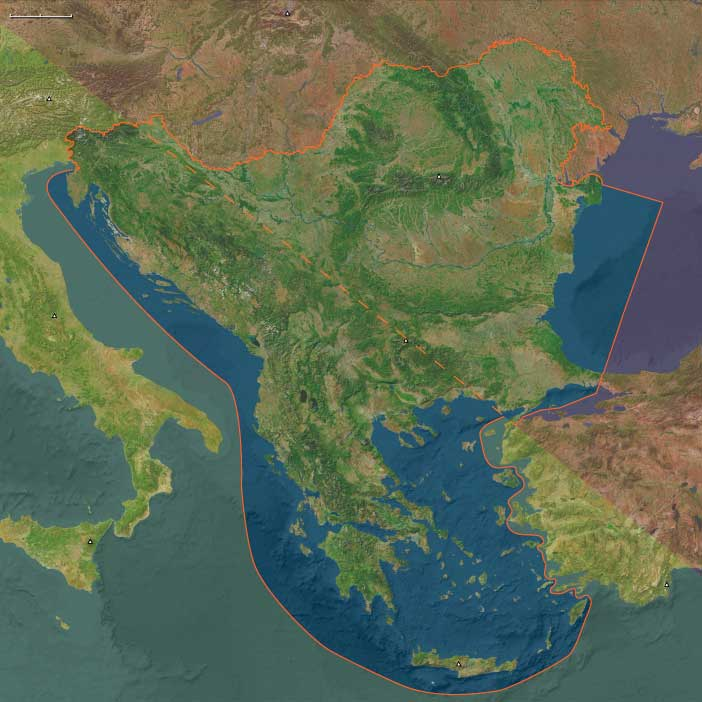
Subregions
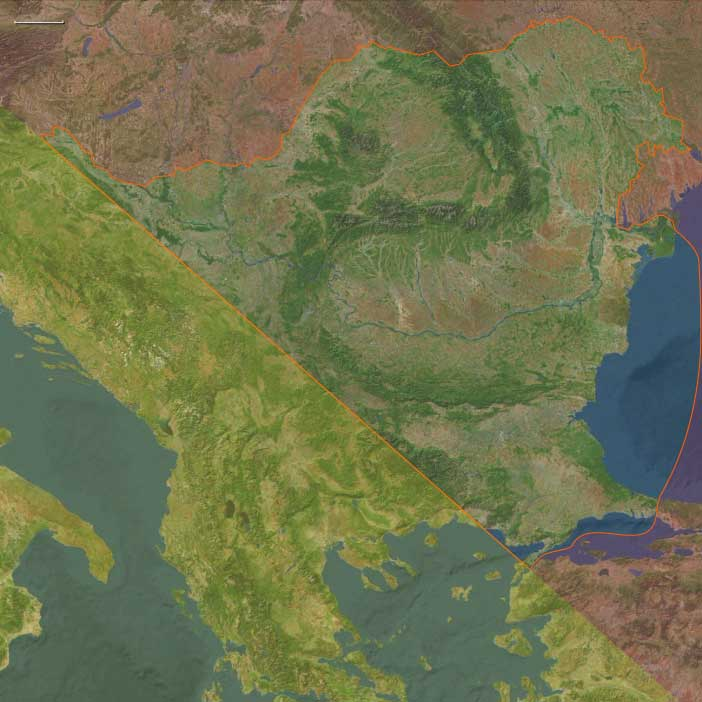
Related Events
Showing 10 events out of 7966 total
Years: 1912 - 1923
Groups
- Transylvania, region of
- Jews
- Bulgarians (South Slavs)
- Croats (South Slavs)
- Serbs (South Slavs)
- Bulgarian Orthodox Church
- Romanians
- Christians, Eastern Orthodox
- Serbian Orthodox Church
- Slovenes (South Slavs)
- Ottoman Empire
- Bulgaria, Ottoman
- Russian Empire
- Britain (United Kingdom of Great Britain and Ireland)
- Austria-Hungary
- Italy, Kingdom of
- German Empire (“Second Reich”)
- France (French republic); the Third Republic
- Bulgaria (Ottoman vassal), Principality of
- Romania, Kingdom of
- Serbia, Kingdom of
- Internal Macedonian Revolutionary Organization (IMRO)
- BMARC (Bulgarian Macedonian-Adrianople Revolutionary Committees)
- Balkan League
- Serbs, Croats, and Slovenes, Kingdom of the
Topics
- Middle Subatlantic Period
- Balkan War, First
- Balkan War, Second
- World War, First (World War I)
- First World War in the Balkans
Commodoties
Subjects
- Commerce
- Language
- Labor and Service
- Decorative arts
- Conflict
- Mayhem
- Faith
- Government
- Scholarship
- Custom and Law
- Human Migration
Regions
Subregions