
Eastern Southeast Europe (1900–1911 CE): Rising Nationalism, …
Years: 1900 - 1911
Eastern Southeast Europe (1900–1911 CE): Rising Nationalism, Economic Growth, and Geopolitical Struggles
Political Developments and National Aspirations
Serbia: Dynastic Instability and Foreign Influence
In Serbia, political tensions intensified under the rule of King Aleksandar Obrenović (1889–1903), whose autocratic governance and close ties to Austria-Hungary fostered widespread dissatisfaction. His rule ended dramatically in 1903 with a violent coup, resulting in the assassination of the king and queen and bringing Petar I Karađorđević to the throne. The Karađorđević dynasty adopted a more independent and nationalist policy, increasingly aligning Serbia against Austro-Hungarian interests.
Romania: Land Reforms and National Integration
In Romania, tensions stemming from inequitable land distribution persisted. Partial agrarian reforms implemented in the early 1900s aimed to alleviate rural poverty and social unrest, yet significant disparities remained. Nationalist aspirations also intensified, particularly regarding Transylvania, where the Romanian population faced persistent Magyarization policies under Hungarian rule, reinforcing calls from Bucharest for greater Romanian unity and autonomy.
Bulgaria: Internal Stability and External Ambitions
Bulgaria, under Prince Ferdinand, achieved greater political stability and international recognition. Ferdinand’s rule strengthened national identity and governance structures, but nationalist ambitions, especially regarding the Macedonian territories under Ottoman control, remained a major source of internal and external tension. The Bulgarian Exarchate continued expanding its influence, further solidifying Bulgaria's cultural and national identity.
Economic and Social Developments
Infrastructure Expansion and Industrial Growth
Eastern Southeast Europe saw significant economic modernization through substantial infrastructure projects. Bulgaria continued benefiting from strategic railway expansions, notably the Vienna-to-Constantinople and Burgas-Yambol railways, completed in the late 19th century, which enhanced commerce and connectivity. Industrial growth was marked by the establishment of factories and the expansion of an urban workforce.
Romanian Industrialization and Economic Inequality
In Romania, industrialization accelerated, supported by foreign investment and the exploitation of natural resources, particularly petroleum extraction in Wallachia. Despite economic growth, stark social inequalities persisted, with peasants and urban laborers experiencing limited benefits from industrial advances. Ethnic and economic tensions were further exacerbated by discriminatory policies against the Jewish minority, leading to continued social unrest.
Labor Movements and Socialism
The early 20th century witnessed the strengthening of organized labor movements, especially in Bulgaria, where industrialization fostered the growth of socialist politics. The Social Democratic Party, founded in 1891, expanded its influence among workers, advocating for improved working conditions, social reforms, and broader political representation.
Cultural and Ethnic Dynamics
Macedonian Question and Bulgarian Nationalism
The unresolved "Macedonian Question" remained central to regional politics, fueling Bulgarian nationalism and revolutionary activity. Secret revolutionary groups, such as the Internal Macedonian Revolutionary Organization (IMRO), actively sought Macedonia's integration into Bulgaria, causing persistent friction with the Ottoman Empire and neighboring Balkan states.
Serbian and Croatian National Movements
In the Austro-Hungarian territories, especially in Vojvodina and Croatia, national consciousness among Serbs and Croats intensified. Cultural revival efforts emphasized linguistic and educational rights, resisting Hungarian assimilation pressures and advocating for Slavic solidarity within the empire.
International Rivalries and Geopolitical Context
Austro-Hungarian and Russian Interests
Geopolitical tensions between Austria-Hungary and Russia escalated, particularly regarding influence over Balkan territories. Serbia increasingly resisted Austro-Hungarian domination, aligning instead with Russia, which positioned itself as a protector of Slavic and Orthodox populations. These alliances set the stage for future regional conflicts.
The "Eastern Question" and Ottoman Weakness
The declining Ottoman Empire continued struggling to maintain control over its Balkan territories, becoming further entrenched in debt and administrative chaos. European powers, particularly Britain, France, Austria-Hungary, and Russia, intensified their rivalries over influence in the region, each aiming to exploit the weakening Ottoman state.
Key Historical Developments (1900–1911)
-
Violent overthrow of King Aleksandar Obrenović in Serbia (1903) and the establishment of the Karađorđević dynasty.
-
Persistent nationalist movements in Romania, Bulgaria, and the Austro-Hungarian territories.
-
Significant infrastructure improvements and industrialization, particularly in Bulgaria and Romania.
-
Strengthening of socialist and labor movements, notably Bulgaria's Social Democratic Party.
-
Escalation of the Macedonian Question as a focal point of Balkan nationalist conflicts.
Long-Term Consequences and Historical Significance
This period significantly deepened national identities and social transformations across Eastern Southeast Europe, laying critical groundwork for the dramatic political and military upheavals that would shortly engulf the region. The interplay of nationalism, economic modernization, and international rivalries intensified regional tensions, ultimately contributing to the outbreak of broader conflicts in the following decades.
People
Groups
- Transylvania, region of
- Jews
- Bulgarians (South Slavs)
- Croats (South Slavs)
- Serbs (South Slavs)
- Bulgarian Orthodox Church
- Romanians
- Christians, Eastern Orthodox
- Serbian Orthodox Church
- Ottoman Empire
- Bulgaria, Ottoman
- Russian Empire
- Britain (United Kingdom of Great Britain and Ireland)
- Austria-Hungary
- France (French republic); the Third Republic
- German Empire (“Second Reich”)
- Italy, Kingdom of
- Bulgaria (Ottoman vassal), Principality of
- Romania, Kingdom of
- Serbia, Kingdom of
- Internal Macedonian Revolutionary Organization (IMRO)
- BMARC (Bulgarian Macedonian-Adrianople Revolutionary Committees)
Topics
Commodoties
Subjects
- Commerce
- Language
- Labor and Service
- Decorative arts
- Conflict
- Mayhem
- Faith
- Government
- Scholarship
- Custom and Law
- Human Migration
Regions
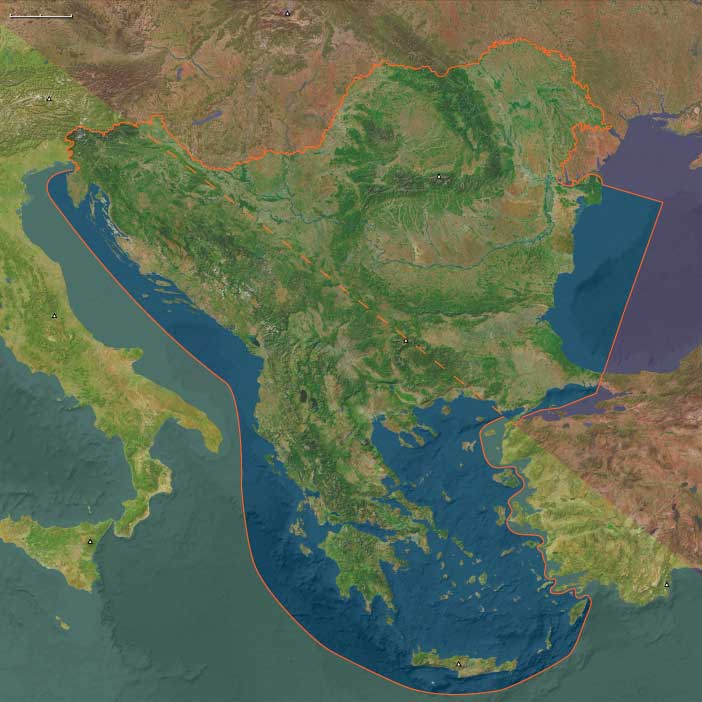
Subregions
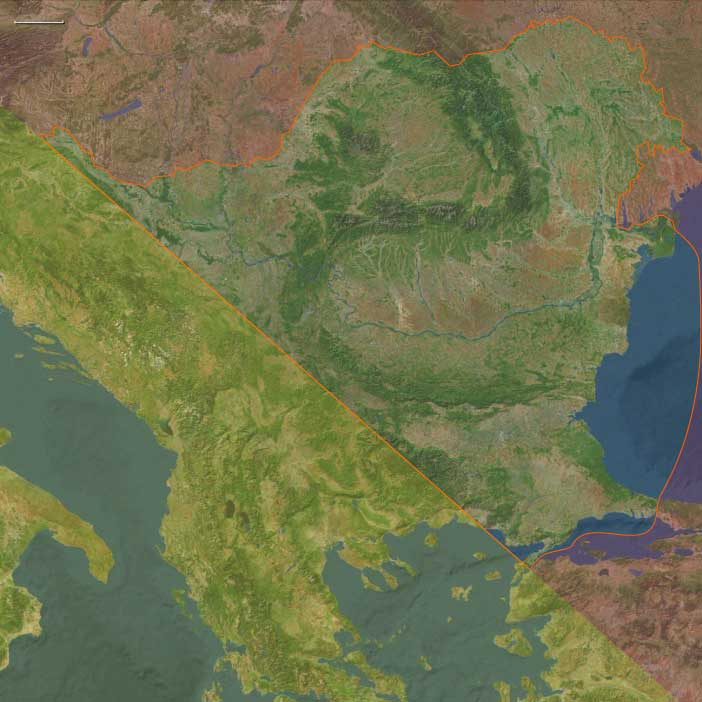
Related Events
Showing 10 events out of 9033 total
Years: 1900 - 1911
People
Groups
- Transylvania, region of
- Jews
- Bulgarians (South Slavs)
- Croats (South Slavs)
- Serbs (South Slavs)
- Bulgarian Orthodox Church
- Romanians
- Christians, Eastern Orthodox
- Serbian Orthodox Church
- Ottoman Empire
- Bulgaria, Ottoman
- Russian Empire
- Britain (United Kingdom of Great Britain and Ireland)
- Austria-Hungary
- France (French republic); the Third Republic
- German Empire (“Second Reich”)
- Italy, Kingdom of
- Bulgaria (Ottoman vassal), Principality of
- Romania, Kingdom of
- Serbia, Kingdom of
- Internal Macedonian Revolutionary Organization (IMRO)
- BMARC (Bulgarian Macedonian-Adrianople Revolutionary Committees)
Topics
Commodoties
Subjects
- Commerce
- Language
- Labor and Service
- Decorative arts
- Conflict
- Mayhem
- Faith
- Government
- Scholarship
- Custom and Law
- Human Migration
Regions
Subregions