
Eastern Southeast Europe (1744–1755 CE): Advocacy, Religious …
Years: 1744 - 1755
Eastern Southeast Europe (1744–1755 CE): Advocacy, Religious Struggles, and Cultural Patronage
Settlement and Migration Patterns
Continued Serb Presence in Habsburg Territories
Between 1744 and 1755 CE, Serb settlements continued to prosper in the Austrian Military Frontier in southern Hungary and Slavonia. These communities maintained strong cultural and religious identities, serving as a critical buffer against Ottoman incursions and contributing significantly to the ethnic and cultural complexity within the Habsburg domains.
Economic and Social Developments
Intensifying Economic Hardship
Ottoman-controlled regions, including Wallachia, Moldavia, Serbia, and Bulgaria, continued facing severe economic hardship. Exploitative taxation, corrupt governance by local officials, and feudal burdens deepened agrarian distress and rural poverty, further aggravating social tensions and prompting occasional local resistance.
Agrarian and Feudal Challenges in Wallachia and Moldavia
In Wallachia and Moldavia, land distribution had dramatically shifted as wealthy boyars increasingly controlled vast estates, tightening their grip over peasants through oppressive feudal obligations. Peasant freedoms were severely limited, intensifying rural misery and unrest. Princes who sought reform risked undermining their financial standing with the Ottoman Porte, where princely positions were often secured through bribery and exploitation.
Cultural and Artistic Developments
Enlightened Patronage of Phanariot Princes
Phanariot rulers continued their cultural patronage, notably exemplified by Constantine Mavrocordatos, who repeatedly governed Wallachia and Moldavia during this era. The Phanariots promoted literature, established printing presses, and sponsored religious, educational, and architectural projects reflecting Enlightenment influences. Their efforts significantly enriched the cultural landscape despite their generally unpopular governance.
Architectural and Ecclesiastical Developments
Significant architectural achievements included the continued embellishment of monasteries and churches. Religious institutions remained crucial centers for literacy, education, and cultural preservation, ensuring continuity of local identity amidst foreign rule. The era also witnessed notable construction, such as the completion of monasteries and churches initiated in earlier periods.
Intellectual and Religious Developments
Inocentiu Micu Klein’s Advocacy in Transylvania
The struggle for equality in Transylvania found its first formidable advocate in Inocentiu Micu Klein, a Uniate bishop who tirelessly championed the Romanian cause from 1729 to 1744. Klein repeatedly petitioned Vienna, advocating for Romanian rights in the Transylvanian Diet, asserting that Romanians, despite their significant contributions in taxes and military service, suffered unjust political exclusion and economic exploitation. Although his petitions failed to gain immediate support, his persistent advocacy set the foundation for future nationalist movements.
Continued Orthodox-Catholic Tensions
Religious tensions persisted as the Habsburg authorities intensified efforts to enforce Catholicism among Orthodox Serb populations. Orthodox Serbs resisted fiercely, relying increasingly on spiritual and political support from the Serbian Church in southern Hungary and from the Orthodox Russian tsar, further deepening their resistance to Habsburg religious policies.
Political Dynamics and Regional Rivalries
Rivalries in Wallachia and Moldavia
In Wallachia, Matei Basarab had become the last prominent local ruler from a major family lineage, while in Moldavia, Vasile Lupu of Albanian descent had established his rule. The ambitions and conflicts between these princes weakened both principalities precisely when Ottoman power was declining. Despite these political rivalries, both rulers were enlightened patrons who promoted education, religion, and legal reforms, setting up printing presses and disseminating cultural and religious literature.
Habsburg-Ottoman Relations
The frontier between the Habsburg and Ottoman Empires remained sensitive, with both sides maintaining significant military presence. The Austrians relied heavily on Serbian frontier guards to safeguard against Ottoman incursions, solidifying the strategic importance of Serb settlements within the Habsburg military structure.
Key Historical Events and Developments
-
Persistent advocacy by Inocentiu Micu Klein for Romanian rights in Transylvania, despite resistance from the established nobility.
-
Continued cultural and educational patronage by Phanariot princes, particularly under Constantine Mavrocordatos.
-
Escalating Orthodox resistance to enforced Catholicization in Habsburg territories, bolstered by external support from the Russian tsar and the Serbian Church.
Long-Term Consequences and Historical Significance
The period from 1744 to 1755 CE was characterized by intense social advocacy, religious struggles, and significant cultural patronage, shaping the trajectory of nationalist movements in Eastern Southeast Europe. Despite ongoing economic hardship and political tensions, the intellectual, cultural, and religious developments during this era played a crucial role in fostering resilient national identities, which would later drive movements for independence and reform.
People
Groups
- Slavonia region
- Bulgarians (South Slavs)
- Serbs (South Slavs)
- Bulgarian Orthodox Church
- Romanians
- Albanians
- Christians, Roman Catholic
- Christians, Eastern Catholic (Uniate)
- Austria, Archduchy of
- Serbian Orthodox Church
- Ottoman Empire
- Bulgaria, Ottoman
- Wallachia (Ottoman vassal), Principality of
- Turkish people
- Serbia, Ottoman
- Cossacks, Zaporozhian
- Calvinists
- Jesuits, or Order of the Society of Jesus
- Russia, Tsardom of
- Slavonian Krajina (Military Frontier)
- Moldavia (Ottoman vassal), Principality of
- Polish-Lithuanian Commonwealth (Commonwealth of the Two Nations)
- Habsburg Monarchy, or Empire
- Transylvania, (Austrian) Principality of
Topics
Commodoties
Subjects
- Commerce
- Language
- Labor and Service
- Decorative arts
- Conflict
- Faith
- Government
- Scholarship
- Custom and Law
- Human Migration
Regions
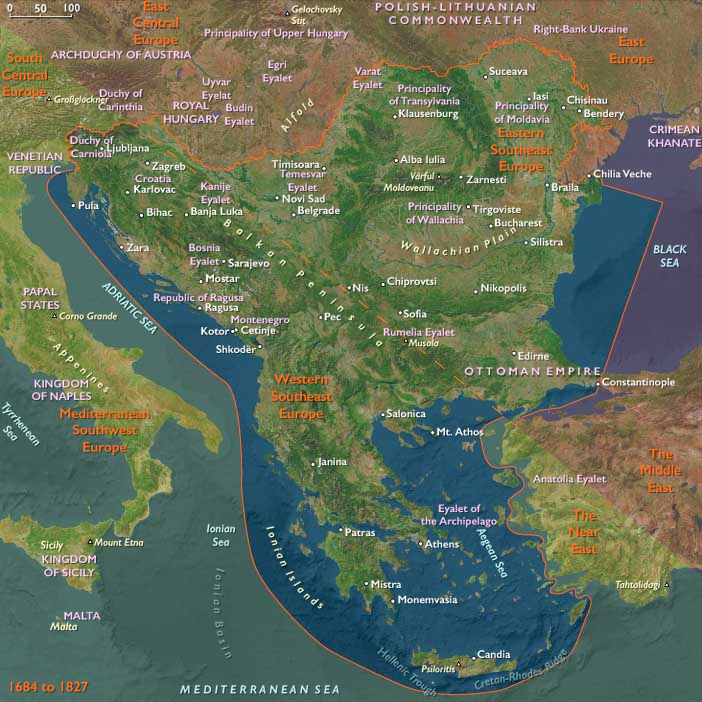
Subregions
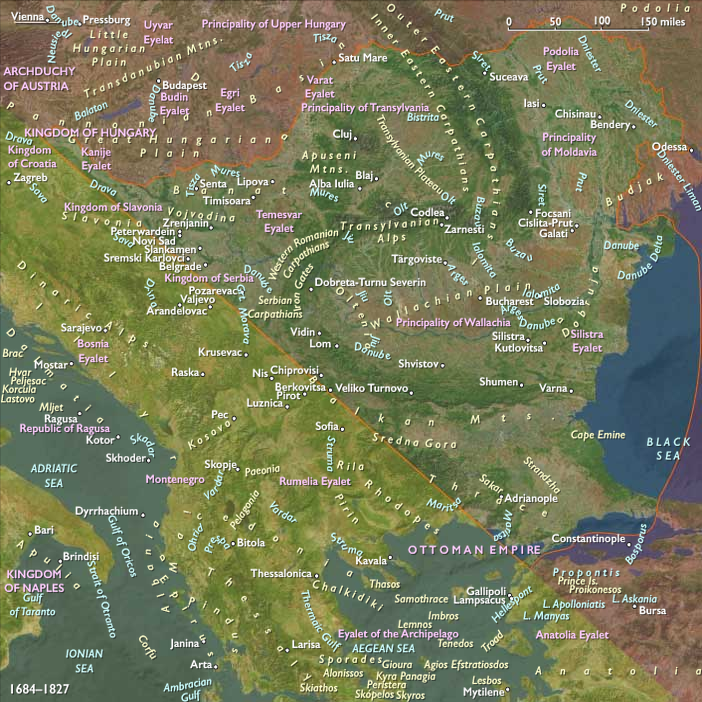
Years: 1744 - 1755
People
Groups
- Slavonia region
- Bulgarians (South Slavs)
- Serbs (South Slavs)
- Bulgarian Orthodox Church
- Romanians
- Albanians
- Christians, Roman Catholic
- Christians, Eastern Catholic (Uniate)
- Austria, Archduchy of
- Serbian Orthodox Church
- Ottoman Empire
- Bulgaria, Ottoman
- Wallachia (Ottoman vassal), Principality of
- Turkish people
- Serbia, Ottoman
- Cossacks, Zaporozhian
- Calvinists
- Jesuits, or Order of the Society of Jesus
- Russia, Tsardom of
- Slavonian Krajina (Military Frontier)
- Moldavia (Ottoman vassal), Principality of
- Polish-Lithuanian Commonwealth (Commonwealth of the Two Nations)
- Habsburg Monarchy, or Empire
- Transylvania, (Austrian) Principality of
Topics
Commodoties
Subjects
- Commerce
- Language
- Labor and Service
- Decorative arts
- Conflict
- Faith
- Government
- Scholarship
- Custom and Law
- Human Migration
Regions
Subregions