
Eastern Southeast Europe (1660–1671 CE): Deepening Ottoman …
Years: 1660 - 1671
Eastern Southeast Europe (1660–1671 CE): Deepening Ottoman Challenges and Cultural Resilience
Settlement and Migration Patterns
Ottoman Population Management
Between 1660 and 1671, the Ottoman Empire intensified its resettlement policies, moving Muslim settlers from Anatolia into strategically important areas of Eastern Southeast Europe, particularly in Bulgaria and regions along the Danube. These demographic changes aimed to strengthen control, leading to increased tensions with the indigenous Christian populations.
Rural Isolation and Preservation
Amid heightened Ottoman pressures, many rural villages remained isolated from direct Ottoman influence. This isolation enabled the preservation of traditional customs, folk culture, and local institutions, especially in Bulgaria and mountainous regions of Serbia.
Political Dynamics and Regional Rivalries
Continued Wallachian and Moldavian Instability
Following the earlier conflicts between Matei Basarab and Vasile Lupu, political instability continued in Wallachiaand Moldavia, with succession crises and princely rivalries frequent. Ottoman interference increased, exploiting internal divisions and weakening the principalities’ political autonomy.
Hajduk Resistance Intensifies
Hajduk activity intensified throughout the region, especially in Serbia and Bulgaria. These outlaw groups grew bolder, openly challenging Ottoman authority and becoming increasingly symbolic of resistance, further embedding them into local folklore and national consciousness.
Economic and Technological Developments
Strained Economic Conditions
The ongoing regional instability and increased Ottoman taxation strained local economies, particularly affecting agricultural productivity. However, trade along the Danube and with Western Europe continued, providing a crucial lifeline for regional economies and fostering limited prosperity in towns like Chiprovtsi.
Local Craft and Trade Resilience
Despite economic pressures, craft industries, particularly metallurgy, weaving, and pottery, maintained resilience, especially in semi-autonomous areas. Towns like Chiprovtsi retained economic significance through local artisanal production and trade connections with Central Europe.
Cultural and Artistic Developments
Continued Orthodox and Catholic Patronage
Orthodox and Catholic religious institutions in Wallachia, Moldavia, and western-influenced Bulgarian towns such as Chiprovtsi continued to thrive under local patronage. Monasteries, churches, and educational institutions benefited from princely and local noble support, maintaining vibrant artistic and scholarly traditions.
Cultural Revival in Rural Areas
Rural communities, particularly in Bulgaria and Serbia, preserved and even revitalized traditional cultural expressions, including folk music, oral poetry, and religious festivals. These traditions became increasingly central to the emerging sense of national identity amid external pressures.
Social and Religious Developments
Persistent Religious Tensions and Autonomy
Religious tensions remained significant, yet the Ottoman millet system allowed Christian communities substantial religious autonomy. The Orthodox Church continued to serve as a key institution for preserving local identity and cultural traditions amid external Islamic influence.
Increasing Role of Local Leaders
Local community leaders, including village elders and church officials, played crucial roles in maintaining social cohesion and negotiating with Ottoman authorities. These figures often mitigated the worst impacts of Ottoman policies, preserving local traditions and autonomy.
Key Historical Events and Developments
-
1660s: Increased resettlement of Anatolian populations into strategic regions of Bulgaria and the lower Danube area.
-
1660–1670: Intensified hajduk activity in Serbia and Bulgaria, highlighting growing resistance to Ottoman rule and fostering increased national consciousness.
-
Continued cultural patronage and revival, especially in semi-autonomous regions like Chiprovtsi.
Long-Term Consequences and Historical Significance
The period from 1660 to 1671 CE saw deepening Ottoman administrative pressures, intensified local resistance, and cultural resilience within Eastern Southeast Europe. These factors contributed significantly to the region's emerging national identities, laying the groundwork for later movements seeking political autonomy and independence from Ottoman rule.
Groups
- Bulgarians (South Slavs)
- Serbs (South Slavs)
- Bulgarian Orthodox Church
- Romanians
- Christians, Roman Catholic
- Ottoman Empire
- Bulgaria, Ottoman
- Wallachia (Ottoman vassal), Principality of
- Turkish people
- Serbia, Ottoman
- Calvinists
- Moldavia (Ottoman vassal), Principality of
Topics
Commodoties
Subjects
- Commerce
- Language
- Labor and Service
- Decorative arts
- Conflict
- Faith
- Government
- Scholarship
- Custom and Law
- Human Migration
Regions
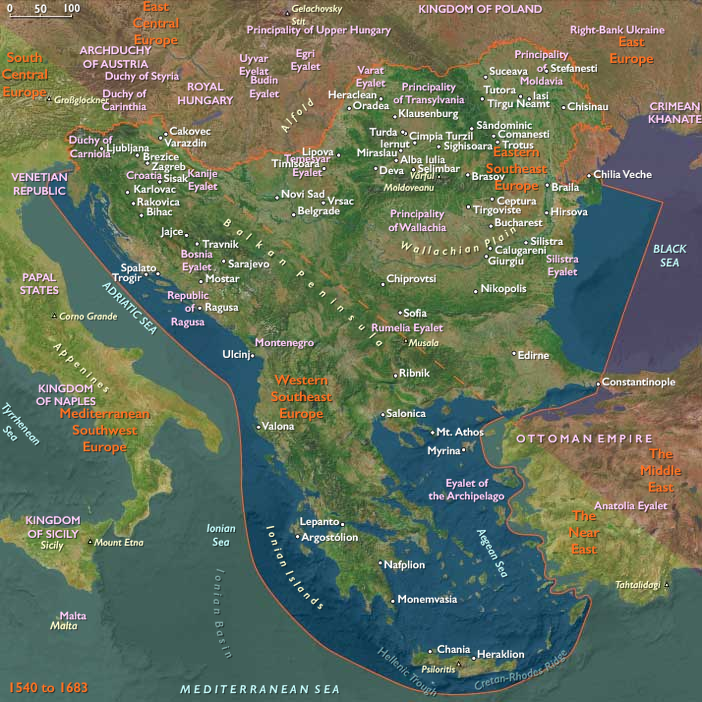
Subregions
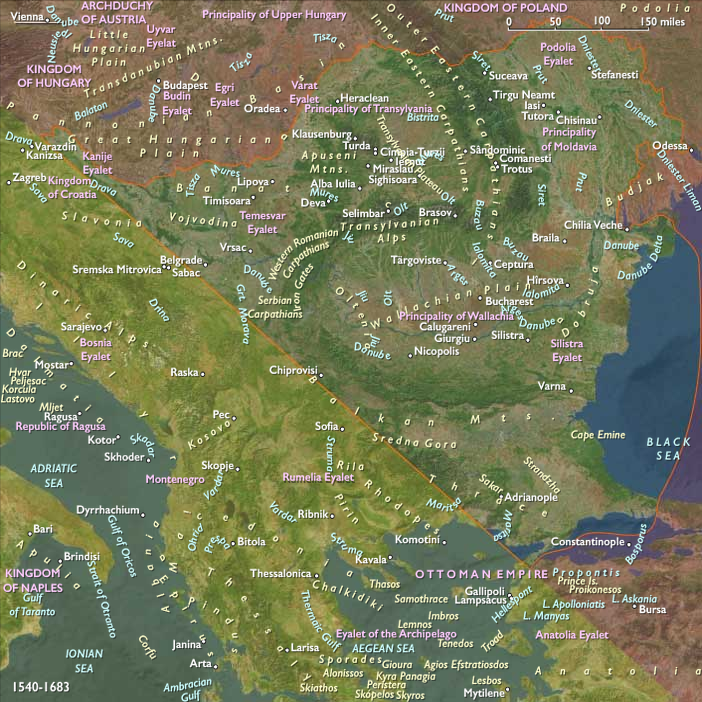
Related Events
Showing 10 events out of 31243 total
Years: 1660 - 1671
Groups
- Bulgarians (South Slavs)
- Serbs (South Slavs)
- Bulgarian Orthodox Church
- Romanians
- Christians, Roman Catholic
- Ottoman Empire
- Bulgaria, Ottoman
- Wallachia (Ottoman vassal), Principality of
- Turkish people
- Serbia, Ottoman
- Calvinists
- Moldavia (Ottoman vassal), Principality of
Topics
Commodoties
Subjects
- Commerce
- Language
- Labor and Service
- Decorative arts
- Conflict
- Faith
- Government
- Scholarship
- Custom and Law
- Human Migration
Regions
Subregions