
Eastern Southeast Europe (1564–1575 CE): Religious Change …
Years: 1564 - 1575
Eastern Southeast Europe (1564–1575 CE): Religious Change and Ottoman Consolidation
Settlement and Migration Patterns
Continued Ottoman Settlements
Between 1564 and 1575 CE, the Ottoman Empire continued resettlement initiatives, strategically placing Muslim settlers to strengthen control in key urban centers and fertile rural areas. This policy reinforced Ottoman authority, particularly in Bulgaria and Thrace, fostering stable administrative control.
Economic and Technological Developments
Agricultural and Economic Shifts
Ottoman incursions into neighboring regions triggered economic disruptions but also opportunities. Increased agricultural demands by the Ottoman military spurred shifts from cash payments to payments in kind by landlords, which led to economic strain and social unrest, notably exemplified by the Croatian peasant rebellion led by Matija Gubec in 1573. These economic pressures were felt throughout the broader region under Ottoman influence.
Cultural and Artistic Developments
Ottoman Cultural Patronage
The period continued to see cultural flourishing under Ottoman patronage. Architecture and artistic expression developed significantly, with further mosque construction and public building projects in prominent cities such as Adrianople (Edirne) and Constantinople. Artistic styles continued blending regional traditions with Ottoman aesthetics.
Social and Religious Developments
Religious Diversity and Tensions
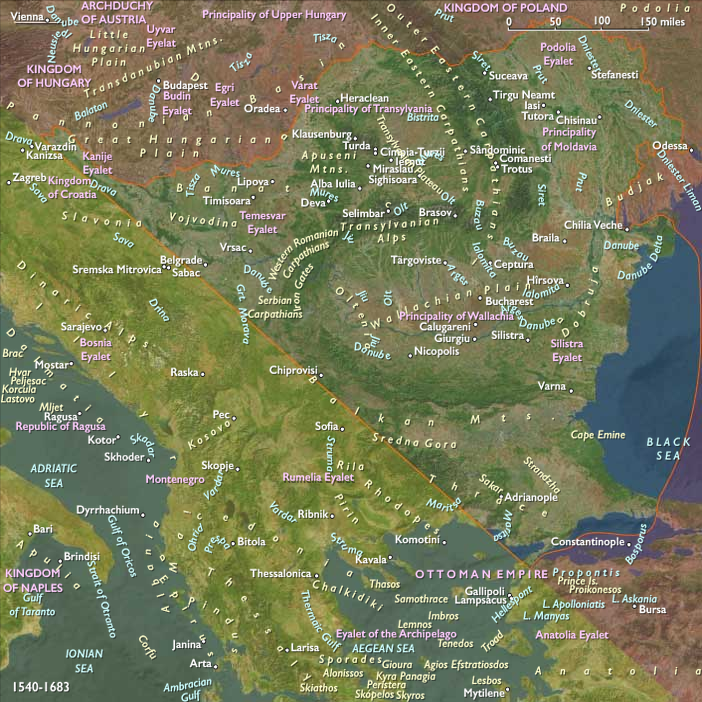
Transylvania experienced substantial religious changes, emerging as a center of the Protestant Reformation. The Transylvanian Diet’s landmark 1571 legislation guaranteed religious freedom to Roman Catholics, Lutherans, Calvinists, and Unitarians, representing one of Europe’s earliest legislative acknowledgments of religious pluralism. Nevertheless, the Orthodox Romanian population, although permitted to practice their faith, did not receive equal recognition, creating underlying social tensions.
Millet System in Ottoman Lands
Elsewhere in the Ottoman Empire, the millet system remained central, allowing substantial autonomy to Jewish and Christian communities. Yet, Ottoman policies continued emphasizing Islam, while actively incorporating non-Muslim communities, including Sephardic Jews, into economic and administrative frameworks.
Political Dynamics and Regional Rivalries
Consolidation and Stability under the Ottomans
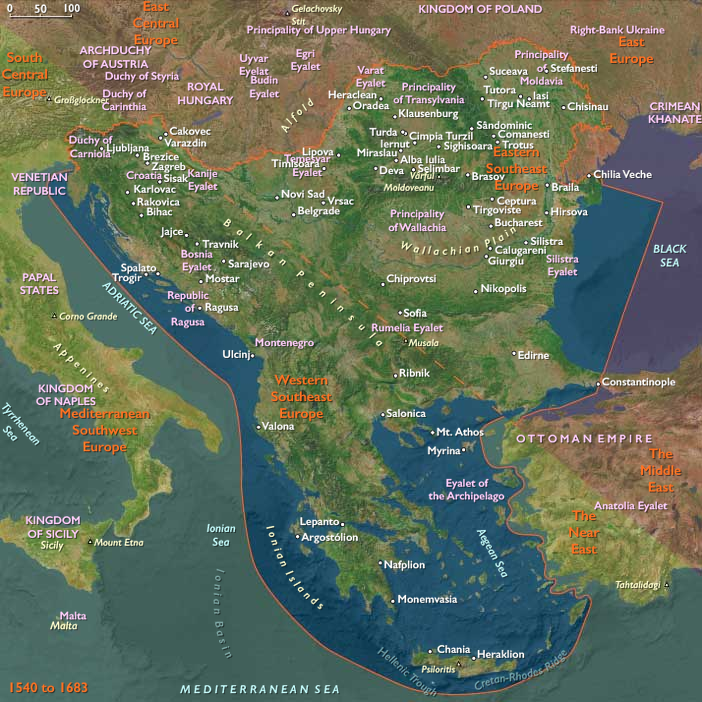
Under Suleyman the Magnificent and his immediate successors, the Ottoman Empire reinforced administrative structures, extending direct control over strategic territories. By 1566, when Suleyman died, Ottoman authority encompassed most major Islamic cities, including Mecca, Medina, Cairo, and Damascus. Wallachia, Moldavia, Transylvania, and Ragusa remained tributary vassals, solidifying Ottoman political and economic influence throughout Eastern Southeast Europe.
Key Historical Events and Developments
-
1566: Death of Suleyman the Magnificent, marking the end of a significant era of expansion and cultural achievement.
-
1571: Transylvania’s Diet enacts a pioneering religious freedom law, shaping the religious landscape of Eastern Southeast Europe.
-
1573: Croatian peasant rebellion under Matija Gubec, highlighting underlying social tensions within the region’s feudal structures.
Long-Term Consequences and Historical Significance
This era saw critical religious transformations, significant economic shifts, and Ottoman administrative consolidation, leaving a lasting impact on the region’s social structure, religious landscape, and cultural identity. These developments significantly shaped the historical evolution and long-term stability of Eastern Southeast Europe under Ottoman rule.
People
Groups
- Jews
- Islam
- Muslims, Sunni
- Croats (South Slavs)
- Christians, Roman Catholic
- Christians, Eastern Orthodox
- Christians, Eastern Catholic (Uniate)
- Slovenes (South Slavs)
- Ottoman Empire
- Ragusa, Republic of
- Turkish people
- Lutheranism
- Calvinists
- Transylvania (Ottoman vassal), Principality of
Topics
Commodoties
Subjects
Regions
Subregions
Years: 1564 - 1575
People
Groups
- Jews
- Islam
- Muslims, Sunni
- Croats (South Slavs)
- Christians, Roman Catholic
- Christians, Eastern Orthodox
- Christians, Eastern Catholic (Uniate)
- Slovenes (South Slavs)
- Ottoman Empire
- Ragusa, Republic of
- Turkish people
- Lutheranism
- Calvinists
- Transylvania (Ottoman vassal), Principality of
Topics
Commodoties
Subjects
Regions
Subregions