
Eastern Southeast Europe (1432–1443 CE): Ottoman Dominance …
Years: 1432 - 1443
Eastern Southeast Europe (1432–1443 CE): Ottoman Dominance and Regional Resistance
Settlement and Migration Patterns
Ottoman Expansion and Consolidation
From 1432 to 1443, the Ottoman Empire, under Murad II, solidified its hold on Eastern Southeast Europe, consolidating previously contested territories and extending control into the Balkans. Ottoman settlements expanded significantly, especially into territories of Bulgaria, Serbia, and northern Greece, transforming these areas into integral parts of the empire.
Population Shifts and Urban Development
Ottoman administration encouraged migration and resettlement policies that strengthened control over new regions. Major cities, including Adrianople (Edirne) and Salonika (Thessaloniki), saw increased Turkish settlement, becoming vibrant administrative, commercial, and cultural centers under Ottoman rule.
Economic and Technological Developments
Economic Integration and Trade Expansion
The Ottomans successfully integrated newly conquered territories into their economic system, utilizing the established Balkan trade routes to strengthen commercial exchanges between Europe and Anatolia. Adrianople, in particular, flourished as a commercial hub connecting Ottoman Europe to Asia Minor.
Further Military Refinements
Under Murad II, the Janissary corps continued to expand, becoming the backbone of Ottoman military power. Technological advancements in siege warfare and fortifications significantly enhanced Ottoman military effectiveness, crucial for capturing and holding strategic cities and fortresses throughout the Balkans.
Cultural and Artistic Developments
Ottoman Patronage and Architectural Flourishing
Murad II's patronage significantly advanced Ottoman art and architecture, blending Islamic and local traditions. New mosques, theological schools (medreses), bridges, baths, and caravanserais arose throughout Balkan territories, signifying Ottoman cultural dominance and the assimilation of previously Byzantine and Slavic regions.
Byzantine Cultural Persistence
Despite shrinking territorial control, Byzantine cultural life continued resiliently in Constantinople. Scholarly and artistic activities persisted, preserving classical heritage and Orthodox religious traditions, even as political independence rapidly diminished.
Social and Religious Developments
Religious Conversions and Tensions
The devshirme system intensified, with increasing numbers of Balkan Christian youths forcibly converted and recruited into Ottoman service. This generated resentment among Orthodox populations, who viewed these practices as direct threats to their cultural identity, leading to heightened regional religious tensions.
Strengthening of Islamic Institutions
Ottoman religious institutions further embedded Islam into the social fabric of conquered territories. The proliferation of mosques and religious schools bolstered Islamic authority and societal influence, facilitating gradual but profound shifts in regional religious demographics.
Political Dynamics and Regional Rivalries
Resistance and Rebellions
The expansion of Ottoman rule was met by frequent local resistance. Serbia and Hungary, under leadership figures such as John Hunyadi, intensified efforts to counter Ottoman advances. The rising opposition set the stage for broader conflicts, notably culminating in subsequent military confrontations.
Byzantine Diplomatic Maneuvers
The Byzantine Empire, under John VIII Palaiologos, continued seeking alliances against the Ottoman threat, fostering diplomatic relations with Hungary, Venice, and Western European powers. However, these efforts remained largely ineffective against the entrenched Ottoman presence.
Long-Term Consequences and Historical Significance
Between 1432 and 1443 CE, Ottoman dominance became firmly entrenched, transforming Eastern Southeast Europe politically, economically, and culturally. The profound consolidation of Ottoman control laid essential foundations for subsequent Ottoman expansion and the eventual fall of Constantinople in 1453, reshaping the region’s historical trajectory for centuries.
People
Groups
- Christians, Eastern Orthodox
- Hungary, Kingdom of
- Roman Empire, Eastern: Palaiologan dynasty
- Wallachia, Principality of
- Ottoman Empire
- Moldavia, Principality of
- Serbian Despotate
Topics
Commodoties
Subjects
Regions
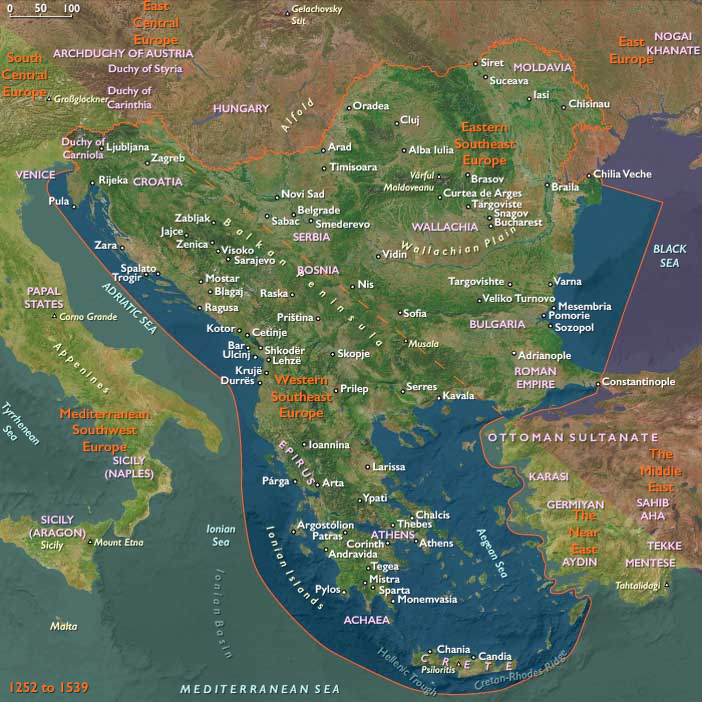
Subregions
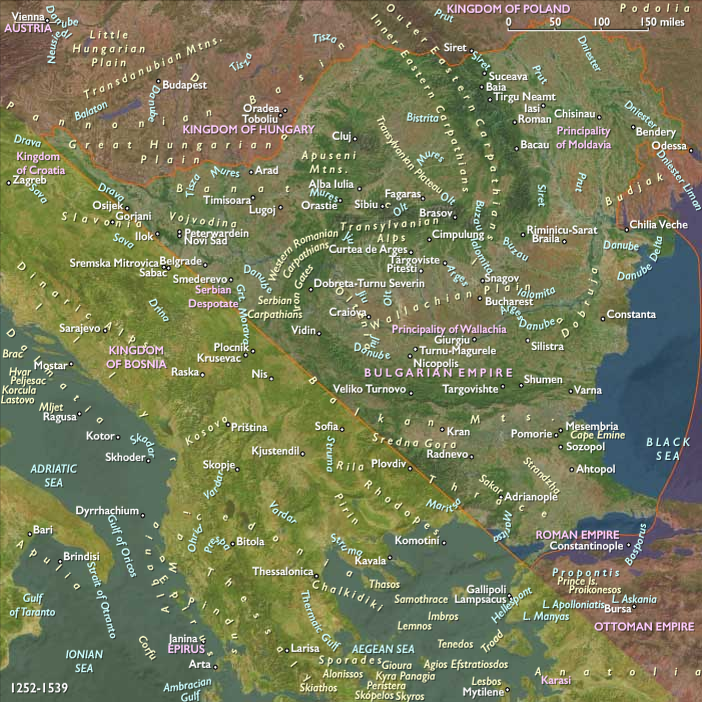
Related Events
Showing 2 events out of 2 total
Years: 1432 - 1443
People
Groups
- Christians, Eastern Orthodox
- Hungary, Kingdom of
- Roman Empire, Eastern: Palaiologan dynasty
- Wallachia, Principality of
- Ottoman Empire
- Moldavia, Principality of
- Serbian Despotate
Topics
Commodoties
Subjects
Regions
Subregions