
Eastern Southeast Europe (1264–1275 CE): Byzantine Consolidation …
Years: 1264 - 1275
Eastern Southeast Europe (1264–1275 CE): Byzantine Consolidation and Bulgarian Fragmentation
Settlement and Migration Patterns
Byzantine Stabilization and Territorial Consolidation
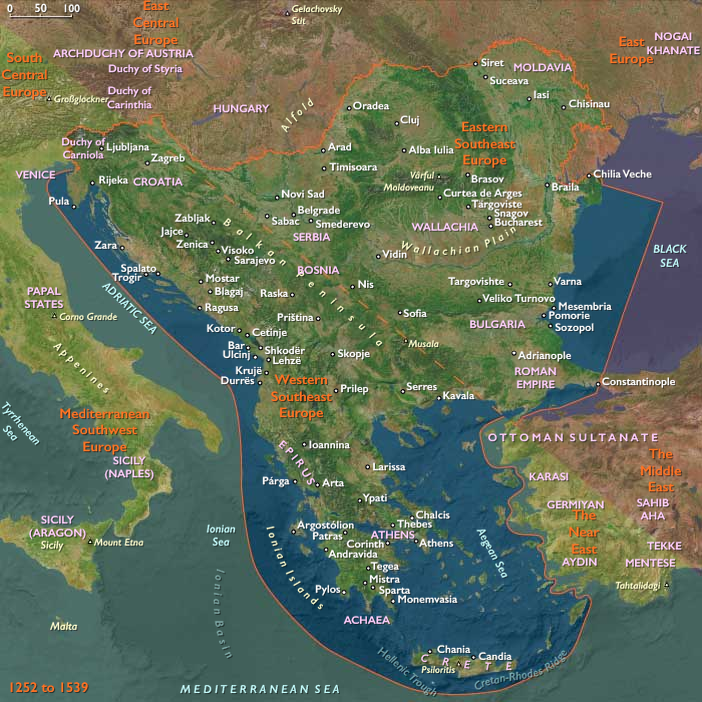
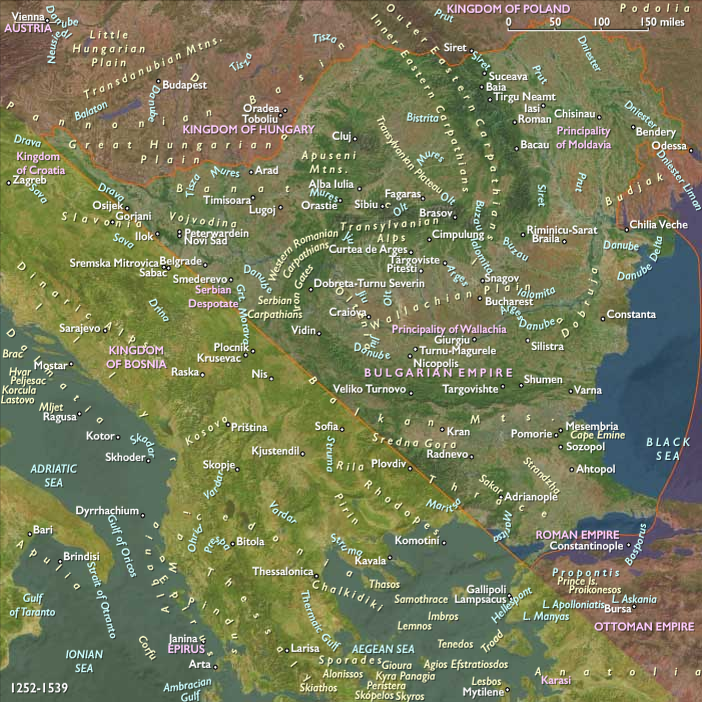
Following the recapture of Constantinople from Latin rule in 1261, Emperor Michael VIII Palaiologos (r. 1259–1282) continued stabilizing the restored Byzantine Empire, reinforcing control over urban and strategic locations across Thrace. The reestablishment of Byzantine authority encouraged moderate population growth and the stabilization of settlements within the region.
Bulgarian Fragmentation and Regional Instability
Bulgaria, weakened by internal boyar rivalries and fragmented leadership after Ivan Asen II, saw ongoing internal migrations and shifts in population distribution, as communities aligned themselves with competing local powers, further weakening the centralized authority of the Second Bulgarian Empire.
Political Dynamics and Regional Rivalries
Diplomatic Balancing by Byzantium
Michael VIII undertook careful diplomatic maneuvers, notably with maritime republics like Venice and Genoa, managing alliances and rivalries to secure economic and political stability. These relations were critical in strengthening the empire's position following the Latin period.
Bulgarian Political Decentralization
Intensifying divisions among Bulgarian nobles undermined the empire's cohesion. Various regional lords asserted greater autonomy, creating fragmented political entities susceptible to external interference from both Byzantine and Hungarian interests.
Economic and Technological Developments
Byzantine Economic Revival
Economic activities within the restored Byzantine Empire gradually revived, benefiting from enhanced trade routes facilitated by alliances with Italian city-states, particularly Genoa, which dominated commerce in the Black Sea region. Commercial recovery bolstered cities such as Constantinople and Adrianople as key economic centers.
Bulgarian Economic Difficulties
Continued internal instability impeded Bulgarian economic prosperity. Although trade persisted, especially with Italian merchants, political fragmentation restricted centralized economic policies, causing trade and commerce to become increasingly regionalized.
Cultural and Artistic Developments
Revival of Byzantine Culture
The era witnessed a Byzantine cultural renaissance under Michael VIII’s patronage, emphasizing restoration and new artistic expressions. Manuscript illumination, religious iconography, and monumental architecture flourished, reflecting renewed imperial pride and Orthodox identity.
Bulgarian Cultural Resilience
Despite political disruptions, Bulgaria maintained significant cultural vitality. Turnovo remained a critical cultural hub, continuing traditions in religious architecture, manuscript production, and literature, affirming a resilient Bulgarian identity amid political turmoil.
Social and Religious Developments
Strengthening of Orthodox Institutions
Orthodox Christianity remained central to regional society, providing stability and continuity. The Byzantine Orthodox Church, closely tied to imperial authority, and the Bulgarian Orthodox Patriarchate sustained their influential roles, stabilizing social and religious cohesion across their respective territories.
Ecclesiastical Diplomacy
Byzantine authorities actively navigated ecclesiastical diplomacy, particularly addressing tensions between Orthodox traditions and lingering Latin influences. These diplomatic efforts influenced internal religious dynamics and relations with Western powers.
Long-Term Consequences and Historical Significance
The period from 1264 to 1275 CE marked an essential phase of Byzantine territorial consolidation, cultural renaissance, and ongoing Bulgarian political fragmentation. The era set the stage for subsequent political and cultural dynamics, particularly the intensifying rivalries among Byzantium, Bulgaria, and emerging regional powers, thereby significantly influencing the historical trajectory of Eastern Southeast Europe.
People
Groups
- Bulgarian Orthodox Church
- Genoa, (Most Serene) Republic of
- Christians, Eastern Orthodox
- Venice, (Most Serene) Republic of
- Bulgarian Empire (Second), or Empire of Vlachs and Bulgars
- Latin Empire of Constantinople (“Romania”)
- Nicaea, Empire of
- Blue Horde, Khanate of the
Topics
Commodoties
Subjects
Regions
Subregions
Years: 1264 - 1275
People
Groups
- Bulgarian Orthodox Church
- Genoa, (Most Serene) Republic of
- Christians, Eastern Orthodox
- Venice, (Most Serene) Republic of
- Bulgarian Empire (Second), or Empire of Vlachs and Bulgars
- Latin Empire of Constantinople (“Romania”)
- Nicaea, Empire of
- Blue Horde, Khanate of the
Topics
Commodoties
Subjects
Regions
Subregions