
Eastern Southeast Europe (1108–1251 CE): Transition, Conflict, …
Years: 1108 - 1251
Eastern Southeast Europe (1108–1251 CE): Transition, Conflict, and Cultural Resilience
Settlement and Migration Patterns
Byzantine Resilience and Decline
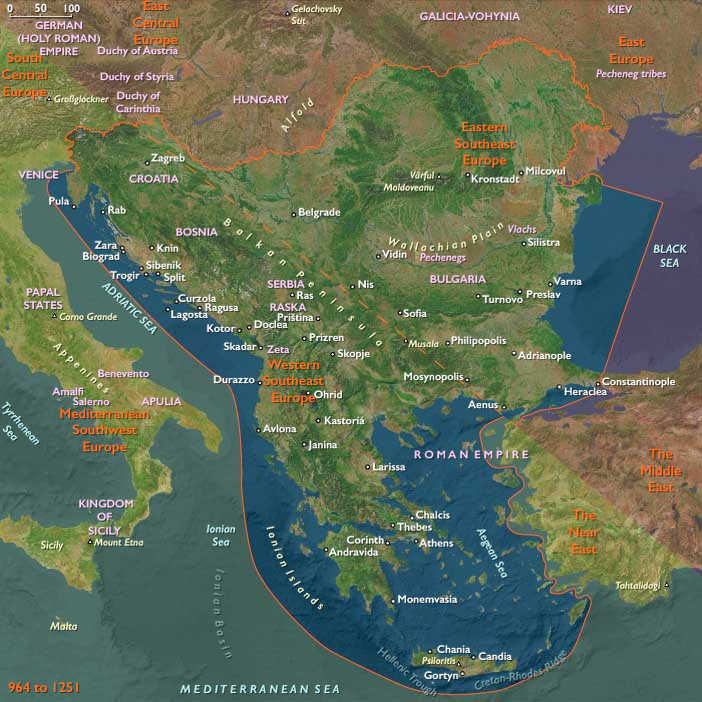
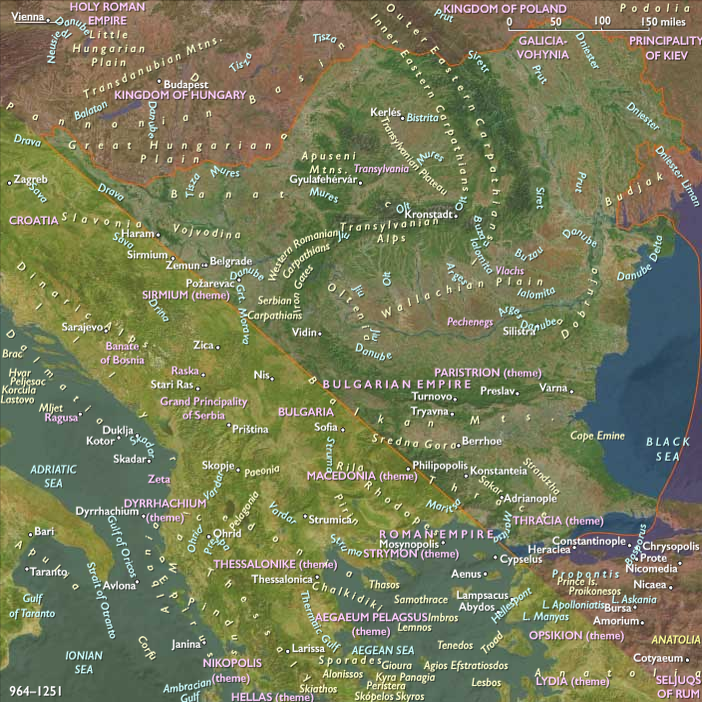
From 1108 to 1251 CE, Eastern Southeast Europe experienced significant shifts, primarily marked by the waning influence of the Byzantine Empire under the Komnenian dynasty. John II Komnenos (1118–1143) and his successor Manuel I Komnenos (1143–1180) navigated complex diplomatic relations with western powers like Hungary and Venice, though increasingly with mixed success. Manuel’s policy of accommodating Western influences—illustrated by his marriages to Western noblewomen and appointments of Latin officials—fueled internal discontent, especially in the aftermath of the disastrous Second Crusade (1147).
Rise and Expansion of Neighboring Powers
Simultaneously, regional entities like the Kingdom of Hungary and the Kingdom of Sicily emerged as influential forces, affecting Byzantine interests. The Serbs under Stefan Nemanja significantly expanded their territories at Byzantium’s expense, laying the foundations for a powerful Serbian state. The formation of the Second Bulgarian Empire in 1185 further eroded Byzantine control, reshaping regional power dynamics dramatically.
Latin Conquests and Fragmentation
The catastrophic Fourth Crusade (1204) resulted in the Latin Empire, centered in Constantinople, fracturing Byzantine territory among various Latin principalities. Concurrently, the Despotate of Epirus and the Empire of Nicaea arose as critical Greek successor states, both competing for influence over the fragmented Byzantine territories.
Ethnic and Population Movements
Significant ethnic movements during this period included the arrival of the Roma people in the early 12th century, whose ancestors had departed northwestern India around 500 CE. Additionally, groups like the Transylvanian Saxons, predominantly originating from the Low Countries, settled strategically in Transylvania, supporting Hungarian frontier defenses alongside the Szeklers, who were of Magyar or Magyarized Turkic descent.
Economic and Technological Developments
Economic Fragmentation and Regional Trade
The weakening Byzantine control and subsequent political fragmentation led to localized economic networks. Key regional cities such as Thessalonica under Epirus and Adrianople under Nicaean influence became significant commercial hubs, reflecting economic resilience amid political turmoil.
Fortifications and Military Innovations
Persistent conflicts prompted considerable advancements in fortifications. Strategic fortresses and urban centers across Bulgaria, Epirus, and Nicaea underwent extensive defensive enhancements, significantly militarizing regional economies and urban landscapes.
Cultural and Artistic Developments
Byzantine and Bulgarian Cultural Continuity
Despite political turbulence, Byzantine culture flourished, particularly in Nicaea, which emerged as a key center of religious art, architecture, and literature. Similarly, Bulgarian culture maintained resilience, evident in manuscript illumination, monumental architecture, and religious iconography, reinforcing a distinctive Bulgarian identity infused with Byzantine elements.
Latin Cultural Influences
Manuel I Komnenos’s era notably witnessed increased Latin cultural presence, albeit generating internal tension. The Latin conquest post-1204 further introduced Western cultural influences into Constantinople, although these were often resisted or assimilated into local traditions.
Social and Religious Developments
Orthodox Church Dominance
The Orthodox Church solidified its societal role throughout Eastern Southeast Europe, particularly in Greek successor states and Bulgaria. Ecclesiastical authorities in Nicaea, Epirus, and Bulgaria became central to maintaining social coherence and cultural continuity amid political fragmentation.
Ecclesiastical and Administrative Adjustments
In Bulgaria, the Orthodox Church navigated political instability following Ivan Asen II's reign, retaining significant independence and authority, stabilizing society through its enduring influence. Likewise, in Byzantine successor states, the Orthodox hierarchy maintained critical administrative roles, often becoming primary sources of regional authority.
Political Dynamics and Regional Rivalries
Latin Empire’s Fragmentation
The Latin Empire steadily weakened due to territorial losses to Nicaean and Epirote Greeks and Bulgarians. By mid-13th century, its authority had significantly diminished, surviving largely through external alliances and dependency.
Greek Rivalries and Bulgarian Instability
Rivalries between Nicaea and Epirus intensified as each vied for dominance over Greek lands. Concurrently, the Second Bulgarian Empire under Tsar Ivan Asen II (1218–1241) initially restored regional power and stability, yet his death led to internal fragmentation, weakening Bulgaria’s central authority and exposing vulnerabilities.
Long-Term Consequences and Historical Significance
From 1108 to 1251 CE, Eastern Southeast Europe underwent profound transformations marked by Byzantine decline, Latin intrusions, regional fragmentation, and cultural resilience. These developments significantly shaped the region’s historical trajectory, laying critical foundations for the later Byzantine revival and the enduring national identities of the Balkans.

Eastern Southeast Europe (with civilization) ©2024-25 Electric Prism, Inc. All rights reserved.
People
Groups
- Roma (Romani subgroup)
- Bulgarian Orthodox Church
- Christians, Eastern Orthodox
- Roman Empire, Eastern: Komnenos dynasty, restored
- Serbian Grand Principality
- Saxons, Transylvanian
- Székelys
- Roman Empire, Eastern: Angelid dynasty
- Bulgarian Empire (Second), or Empire of Vlachs and Bulgars
- Latin Empire of Constantinople (“Romania”)
- Nicaea, Empire of
- Epirus, Despotate of
- Serbian Orthodox Church
Topics
Commodoties
Subjects
Regions
Subregions
Related Events
Showing 10 events out of 49873 total
Years: 1108 - 1251
Eastern Southeast Europe (with civilization) ©2024-25 Electric Prism, Inc. All rights reserved.
People
Groups
- Roma (Romani subgroup)
- Bulgarian Orthodox Church
- Christians, Eastern Orthodox
- Roman Empire, Eastern: Komnenos dynasty, restored
- Serbian Grand Principality
- Saxons, Transylvanian
- Székelys
- Roman Empire, Eastern: Angelid dynasty
- Bulgarian Empire (Second), or Empire of Vlachs and Bulgars
- Latin Empire of Constantinople (“Romania”)
- Nicaea, Empire of
- Epirus, Despotate of
- Serbian Orthodox Church
Topics
Commodoties
Subjects
Regions
Subregions