
Eastern Southeast Europe (1216–1227 CE): Stabilization, Bulgarian …
Years: 1216 - 1227
Eastern Southeast Europe (1216–1227 CE): Stabilization, Bulgarian Resurgence, and Regional Dynamics
Settlement and Migration Patterns
Bulgarian Restoration and Expansion
Under Tsar Ivan Asen II, the Second Bulgarian Empire significantly stabilized and expanded. Ivan Asen II restored law and order, curbed the power of the boyars (nobility), and strengthened the administrative structure, fostering growth in Bulgarian settlements and economic revival.
Continued Latin and Greek Rivalries
Latin-controlled territories around Constantinople continued to witness migration and settlement shifts as Western European knights and nobles sought new holdings. Meanwhile, Byzantine successor states such as the Empire of Nicaea and the Despotate of Epirus gradually consolidated and expanded, drawing populations loyal to Byzantine traditions.
Economic and Technological Developments
Economic Revival under Bulgarian Rule
Bulgarian economic life flourished during Ivan Asen II's reign, with agricultural productivity and regional trade significantly increasing. Towns and urban centers within Bulgaria prospered, benefiting from political stability and enhanced trade connections.
Localized Economies and Trade Networks
Fragmentation encouraged the growth of localized economies across the region. Serbian, Bulgarian, and Latin territories developed independent trade networks, with local markets increasingly vital due to the reduced influence of centralized Byzantine trade.
Strengthened Military Infrastructure
Ivan Asen II invested significantly in military fortifications, securing Bulgaria’s borders against Latin and Byzantine threats. Similar enhancements occurred in Serbian and Latin-held territories, reflecting ongoing regional tensions and the necessity of robust defense systems.
Cultural and Artistic Developments
Bulgarian Cultural Flourishing
The reign of Ivan Asen II marked a revival of Bulgarian cultural traditions, including the construction and embellishment of churches, monasteries, and fortresses. Artistic production flourished, blending Byzantine heritage with distinctive Bulgarian elements.
Latin-Byzantine Cultural Exchanges
Cultural interaction between Latin rulers and Byzantine traditions persisted, especially within contested territories. Gothic and Romanesque influences continued to blend with Byzantine aesthetics, creating distinctive regional artistic styles.
Social and Religious Developments
Bulgarian Ecclesiastical Autonomy
Ivan Asen II further strengthened the autonomy of the Bulgarian Orthodox Church, reinforcing its role in society and governance. Religious institutions grew more influential, supporting national identity and cohesion amidst ongoing regional rivalries.
Latin-Orthodox Tensions
Deep religious tensions persisted between Latin and Orthodox communities, particularly in regions where Latin rulers maintained control over Orthodox populations. These tensions often complicated political alliances and social relations.
Serbian Church Influence
The Serbian Orthodox Church continued to consolidate its influence under Serbian rulers, playing a crucial role in societal cohesion and reinforcing Serbian national identity.
Political Stabilization and Rivalries
Bulgarian Regional Dominance
Ivan Asen II's effective governance reasserted Bulgarian dominance in the Balkans, significantly influencing regional politics. Bulgaria’s strengthened military, economic growth, and cultural revival re-established it as a formidable power.
Persistent Fragmentation and Rivalries
Despite stabilization under Ivan Asen II, the broader region remained politically fragmented. Rivalries among Bulgaria, Serbia, the Latin Empire, and Byzantine successor states like Nicaea and Epirus continued, perpetuating instability and shaping future conflicts.
Long-Term Consequences and Historical Significance
The period from 1216 to 1227 CE was marked by the consolidation and expansion of the Second Bulgarian Empire under Ivan Asen II, significant economic and cultural revival, and ongoing political fragmentation across Eastern Southeast Europe. These developments had lasting impacts, setting the stage for future regional dynamics, enduring cultural identities, and complex political rivalries.
People
Groups
- Venice, Duchy of
- Bulgarian Orthodox Church
- Christians, Eastern Orthodox
- Serbian Grand Principality
- Bulgarian Empire (Second), or Empire of Vlachs and Bulgars
- Latin Empire of Constantinople (“Romania”)
- Nicaea, Empire of
- Epirus, Despotate of
- Serbian Orthodox Church
Topics
Commodoties
Subjects
Regions
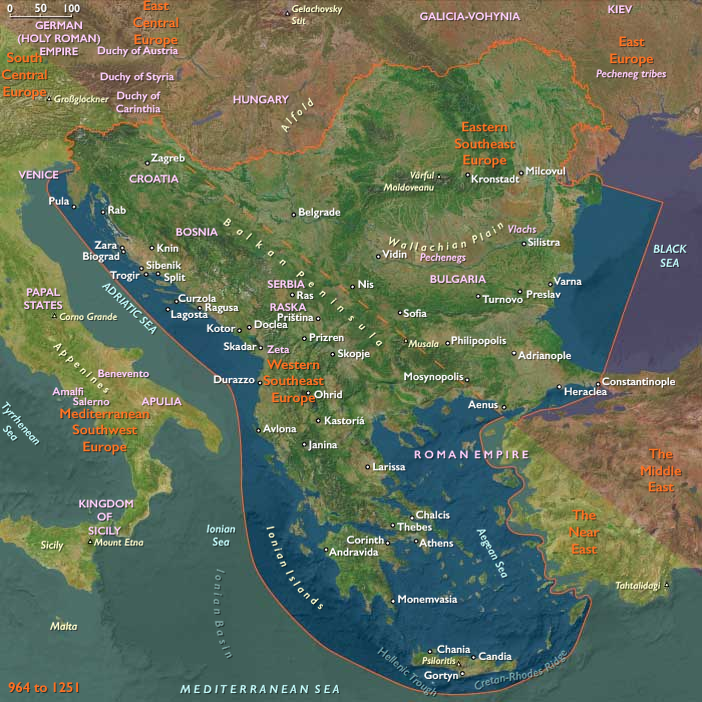
Subregions
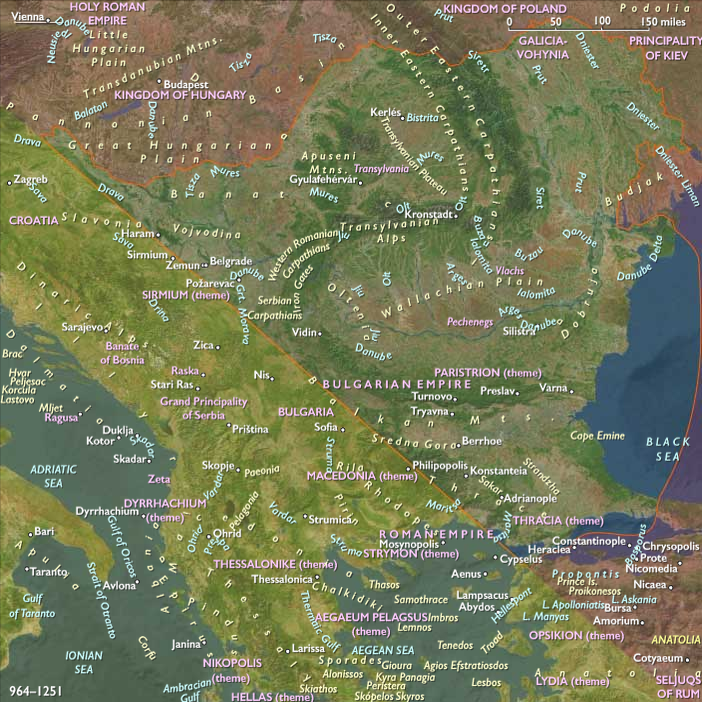
Related Events
Showing 10 events out of 47296 total
Years: 1216 - 1227
People
Groups
- Venice, Duchy of
- Bulgarian Orthodox Church
- Christians, Eastern Orthodox
- Serbian Grand Principality
- Bulgarian Empire (Second), or Empire of Vlachs and Bulgars
- Latin Empire of Constantinople (“Romania”)
- Nicaea, Empire of
- Epirus, Despotate of
- Serbian Orthodox Church
Topics
Commodoties
Subjects
Regions
Subregions