
Eastern Southeast Europe (1180–1191 CE): Turmoil, Succession …
Years: 1180 - 1191
Eastern Southeast Europe (1180–1191 CE): Turmoil, Succession Crisis, and Frontier Pressures
Settlement and Migration Patterns
Frontier Security and Szekler Communities
The Szeklers continued playing a pivotal role in frontier security within Transylvania, defending against incursions and maintaining the Hungarian Kingdom’s eastern borders amidst regional instabilities following the death of Byzantine Emperor Manuel I Komnenos in 1180.
Expansion of Transylvanian Saxon Settlements
The Transylvanian Saxons, settlers predominantly from the Low Countries and Germanic regions, further consolidated their communities during this era. Invited earlier by Hungarian rulers to strengthen frontier defenses, they developed fortified towns that significantly boosted regional agricultural productivity, trade, and border security.
Economic and Technological Developments
Continued Venetian Trade Dominance
The economic landscape remained dominated by Venetian commercial interests, whose control over major trade routes and markets persisted despite Byzantine attempts to counterbalance their influence. This economic reality underscored the complexity of maintaining regional trade autonomy following Emperor Manuel's death.
Military and Defensive Reinforcements
Technological advancements continued to emphasize defense, particularly through the fortification of strategic urban centers such as Constantinople. Enhanced defensive systems and logistical capabilities remained essential, especially amidst increased internal and external pressures.
Cultural and Artistic Developments
Transition and Byzantine Cultural Continuity
Despite political upheaval following Emperor Manuel's death, Byzantine culture and art continued flourishing. The integration of Western elements remained notable, with the Byzantine court in Constantinople still showcasing significant artistic exchanges despite growing internal discontent.
Scholarly and Educational Stability
Scholarly and educational institutions preserved classical and theological traditions, actively adapting to the turbulent political environment. Intellectual continuity provided cultural resilience amid administrative transitions and external threats.
Social and Religious Developments
Succession Crisis and Diplomatic Complexity
The death of Manuel I Komnenos in 1180 led to a significant succession crisis, intensifying political instability and complicating diplomatic relations within the region. Internal power struggles and factionalism weakened Byzantine political coherence, affecting relationships with neighboring states, including Hungary and the expanding Latin kingdoms.
Increasing Latin Influence and Internal Tensions
The presence of Latin (Western European) influences, fostered extensively during Manuel’s reign, increasingly became a source of internal friction. The earlier diplomatic policies now exacerbated tensions between Greek and Latin communities, significantly influencing social and political stability.
Strengthened Christian Institutional Presence
Christianity remained deeply influential, with religious institutions continuing to expand their roles amid internal turmoil. Ecclesiastical structures provided social cohesion and spiritual support during this period of heightened political and diplomatic uncertainty.
Integration of Roma Populations
During this period, ancestral populations of modern European Roma, known as the Doma, entered the Balkans, arriving around the early 12th century. Originally from northwestern India and having left around CE 500, these groups began spreading across Europe, gradually integrating yet maintaining distinct cultural identities within local societies.
Long-Term Consequences and Historical Significance
The era from 1180 to 1191 CE was marked by intense political turmoil following Emperor Manuel's death, complex diplomatic shifts, sustained frontier pressures, and continued economic rivalry with Venice. The arrival and integration of the Roma, alongside internal succession struggles and increased Latin influence, significantly impacted Eastern Southeast Europe's historical and cultural trajectory, laying the groundwork for future conflicts and demographic changes.
People
Groups
- Transylvania, region of
- Thrace, Theme of
- Venice, Duchy of
- Macedonia, East Roman Theme of
- Roma (Romani subgroup)
- Bulgarian Orthodox Church
- Hungary, Kingdom of
- Christians, Eastern Orthodox
- Sicily, County of
- Roman Empire, Eastern: Komnenos dynasty, restored
- Serbian Grand Principality
- Saxons, Transylvanian
- Sicily, Kingdom of
- Székelys
Topics
Commodoties
Subjects
Regions
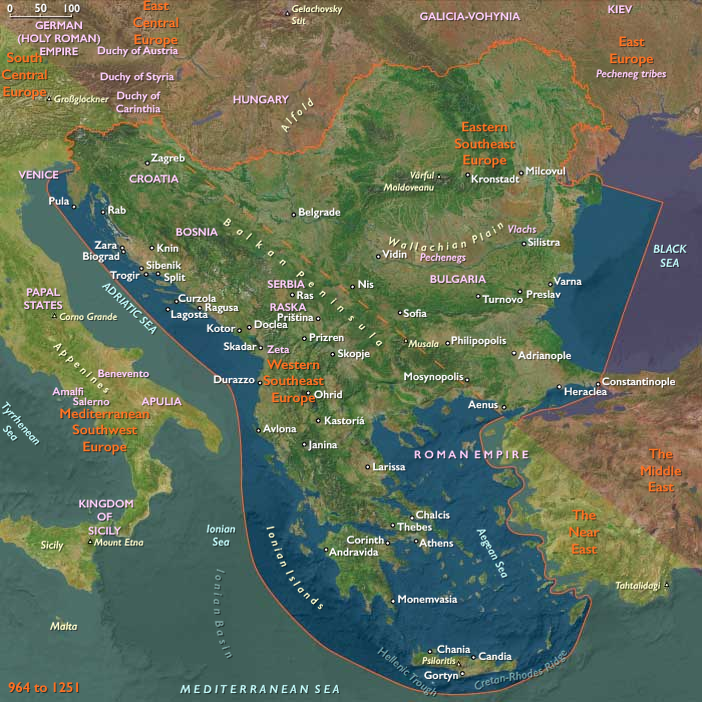
Subregions
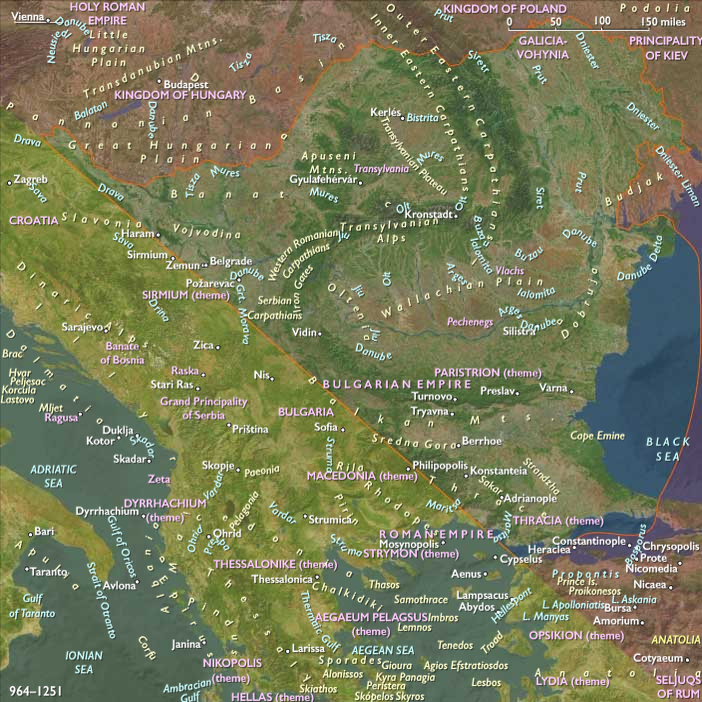
Years: 1180 - 1191
People
Groups
- Transylvania, region of
- Thrace, Theme of
- Venice, Duchy of
- Macedonia, East Roman Theme of
- Roma (Romani subgroup)
- Bulgarian Orthodox Church
- Hungary, Kingdom of
- Christians, Eastern Orthodox
- Sicily, County of
- Roman Empire, Eastern: Komnenos dynasty, restored
- Serbian Grand Principality
- Saxons, Transylvanian
- Sicily, Kingdom of
- Székelys
Topics
Commodoties
Subjects
Regions
Subregions