
Eastern Southeast Europe (1168–1179 CE): Alliances, Cultural …
Years: 1168 - 1179
Eastern Southeast Europe (1168–1179 CE): Alliances, Cultural Integration, and Emerging Tensions
Settlement and Migration Patterns
Consolidation of Transylvanian Communities
The integration and expansion of the Transylvanian Saxons, settlers primarily from the Low Countries and various Germanic regions, continued to strengthen Hungarian frontier security. These Saxon communities thrived, constructing fortified cities and villages such as Hermannstadt (Sibiu), enhancing regional stability, commerce, and agriculture.
Strategic Importance of the Szeklers
The Szekler communities maintained their strategic frontier positions in Transylvania, actively participating in border defense and frontier diplomacy, serving as crucial military allies and cultural intermediaries between Hungarian rulers and local populations.
Economic and Technological Developments
Venetian Trade Dominance and Byzantine Rivalry
Despite continued efforts by Emperor Manuel I Komnenos to diminish Venetian control over trade, Venice maintained significant economic influence. Manuel attempted alliances with other maritime powers, such as Genoa and Pisa, to counterbalance Venetian dominance, reflecting sustained economic rivalry and strategic maneuvering.
Advancements in Military Fortifications
Fortification projects expanded significantly throughout the region, with major cities like Constantinople strengthening their defenses against potential invasions and internal rebellions. Enhanced military logistics, fortresses, and reinforced city walls characterized this period, reflecting ongoing investment in regional security infrastructure.
Cultural and Artistic Developments
Byzantine-Western Cultural Integration
Cultural integration between Byzantium and Western Europe flourished further, particularly at the imperial court. Manuel I Komnenos continued encouraging Latin influences, attracting Western artists, scholars, and courtiers, fostering rich exchanges despite internal resistance from traditional Byzantine elites.
Intellectual and Scholarly Activity
Educational institutions actively preserved classical and theological traditions, increasingly incorporating Western scholarly methods and ideas. Enhanced intellectual exchanges between East and West enriched the cultural and educational landscape of the Byzantine Empire and its neighbors.
Social and Religious Developments
Diplomatic Alliances and Marital Strategies
Manuel I’s diplomatic strategy deepened alliances with Hungary through marital ties, as he sought to stabilize his northern frontier and counterbalance threats from the expanding Kingdom of Sicily. These alliances created interconnected royal dynasties that significantly influenced regional diplomacy and politics.
Growing Internal Tensions and Latin Influence
Internal tensions grew within the Byzantine Empire due to Manuel’s embrace of Western culture and prominent Latin presence. The Greek-Latin divide intensified further, reflecting cultural and religious friction that would lead to future conflicts and societal divisions.
Expansion of Religious Institutions
Christian institutions continued their influential expansion, deeply embedded in social and political structures. Monasteries and churches increased their roles as centers of spiritual authority and community cohesion, reinforcing cultural identity amid external pressures and internal tensions.
Long-Term Consequences and Historical Significance
The era from 1168 to 1179 CE was characterized by diplomatic sophistication, significant cultural integration, and the strengthening of frontier communities. Manuel’s alliances and embrace of Western influences shaped complex geopolitical dynamics, while growing internal tensions foreshadowed future societal divisions. These developments critically impacted Eastern Southeast Europe's trajectory, setting the stage for subsequent cultural, political, and military challenges.
People
Groups
- Transylvania, region of
- Thrace, Theme of
- Venice, Duchy of
- Macedonia, East Roman Theme of
- Bulgarian Orthodox Church
- Hungary, Kingdom of
- Christians, Eastern Orthodox
- Sicily, County of
- Roman Empire, Eastern: Komnenos dynasty, restored
- Serbian Grand Principality
- Saxons, Transylvanian
- Sicily, Kingdom of
- Székelys
Topics
Commodoties
Subjects
Regions
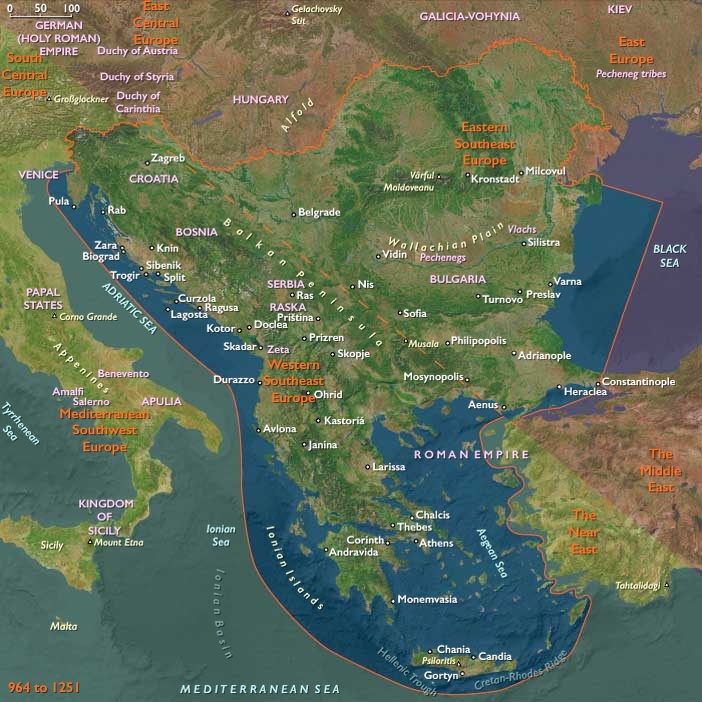
Subregions
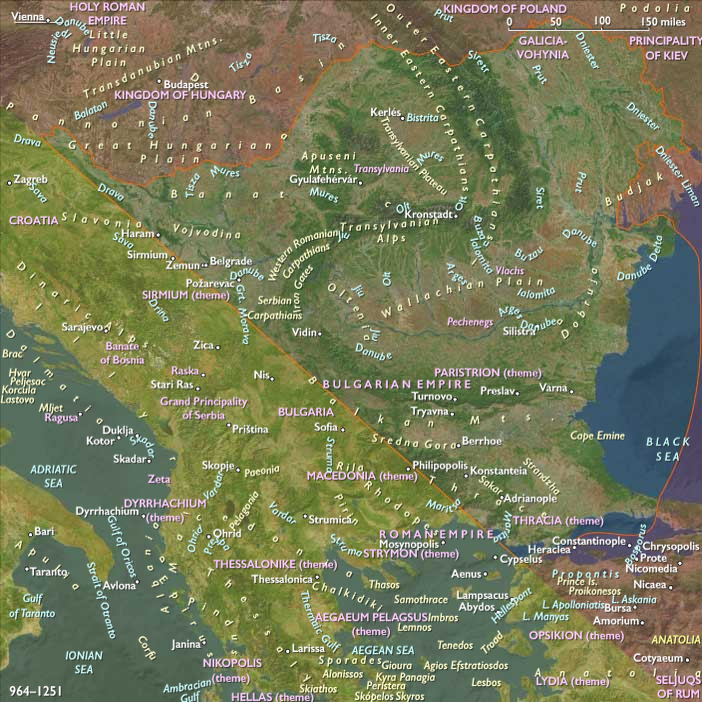
Years: 1168 - 1179
People
Groups
- Transylvania, region of
- Thrace, Theme of
- Venice, Duchy of
- Macedonia, East Roman Theme of
- Bulgarian Orthodox Church
- Hungary, Kingdom of
- Christians, Eastern Orthodox
- Sicily, County of
- Roman Empire, Eastern: Komnenos dynasty, restored
- Serbian Grand Principality
- Saxons, Transylvanian
- Sicily, Kingdom of
- Székelys
Topics
Commodoties
Subjects
Regions
Subregions