
Eastern Southeast Europe (1156–1167 CE): Diplomatic Maneuvering …
Years: 1156 - 1167
Eastern Southeast Europe (1156–1167 CE): Diplomatic Maneuvering and Frontier Challenges
Settlement and Migration Patterns
Continuing Szekler and Frontier Dynamics
The Szekler communities, recognized as strategic frontier guards in Transylvania, remained vital for maintaining border security during ongoing regional tensions. Their established presence continued to fortify the Hungarian Kingdom’s eastern frontiers against external threats.
Arrival of the Transylvanian Saxons
The Transylvanian Saxons, predominantly settlers from the Low Countries and various Germanic regions, had begun arriving in Transylvania from the late 11th century onward, significantly expanding during the 12th century. Invited by Hungarian rulers to fortify and cultivate frontier areas, these settlers established fortified towns and villages, contributing substantially to regional economic growth, agricultural development, and border defense.
Stability and Urban Adaptation
Urban centers, notably Constantinople, continued reinforcing their defenses and infrastructure amid persistent geopolitical uncertainties. The city's strategic fortifications and public amenities provided stability and resilience against external pressures.
Economic and Technological Developments
Venetian Economic Influence
Efforts to reduce Venetian commercial dominance under Emperor Manuel I Komnenos continued with limited success. Venice’s control over trade routes and markets remained largely unchallenged, underscoring its enduring economic influence and the challenges Constantinople faced in maintaining autonomy in regional commerce.
Defensive Innovations
Military technology and infrastructure advancements persisted, particularly focusing on fortification enhancements and improved logistical support. These measures ensured sustained regional security and safeguarded economic activities amid ongoing diplomatic and military challenges.
Cultural and Artistic Developments
Continued Byzantine-Western Exchange
Cultural exchanges between Byzantium and Western Europe flourished under Manuel I, who continued to encourage Western influence within the empire. This openness was exemplified by the presence and prominence of Westerners at the imperial court, fostering significant artistic and cultural interactions despite local resistance.
Scholarly Preservation
Educational and scholarly institutions maintained their vital roles, actively preserving classical and theological traditions. Intellectual exchanges expanded further due to increased Western influence, enriching regional cultural and educational landscapes.
Social and Religious Developments
Complex Diplomatic Relations
The reign of Manuel I Komnenos was marked by sophisticated diplomatic strategies aimed at balancing relationships with powerful Western entities, notably the Kingdom of Hungary and the Kingdom of Sicily. While fostering amicable relations with Hungary through marital and diplomatic ties, tensions persisted with Sicily, posing ongoing geopolitical challenges.
Impact of the Second Crusade
The aftermath of the Second Crusade (1147) continued to exacerbate Greek-Latin tensions, complicating diplomatic and social dynamics within the Byzantine Empire. This strained relationship significantly influenced the empire’s diplomatic and military posture toward Western Europe.
Strengthening Christian Institutions
Christianity's prominence continued to grow, deeply embedded in societal structures. Religious institutions further expanded their influence, reinforcing community cohesion and spiritual guidance amid diplomatic and geopolitical complexities.
Long-Term Consequences and Historical Significance
The era from 1156 to 1167 CE was characterized by intricate diplomatic maneuvering, sustained economic rivalry with Venice, and ongoing cultural integration with the West. Emperor Manuel I’s strategic diplomacy, coupled with continued internal challenges stemming from the Second Crusade, significantly shaped Eastern Southeast Europe's historical trajectory, laying foundations for future geopolitical and cultural interactions and conflicts.
People
Groups
- Transylvania, region of
- Thrace, Theme of
- Venice, Duchy of
- Macedonia, East Roman Theme of
- Bulgarian Orthodox Church
- Hungary, Kingdom of
- Christians, Eastern Orthodox
- Sicily, County of
- Roman Empire, Eastern: Komnenos dynasty, restored
- Serbian Grand Principality
- Saxons, Transylvanian
- Sicily, Kingdom of
- Székelys
Topics
Commodoties
Subjects
Regions
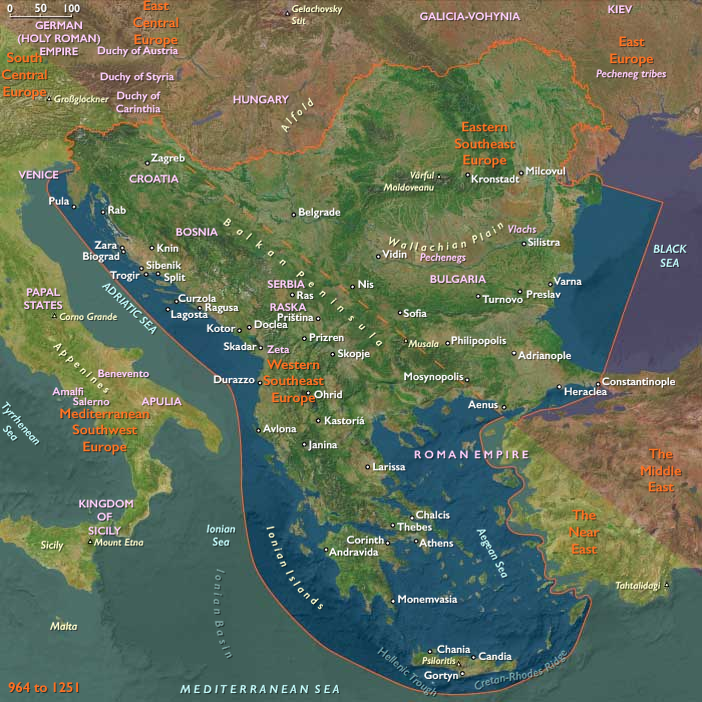
Subregions
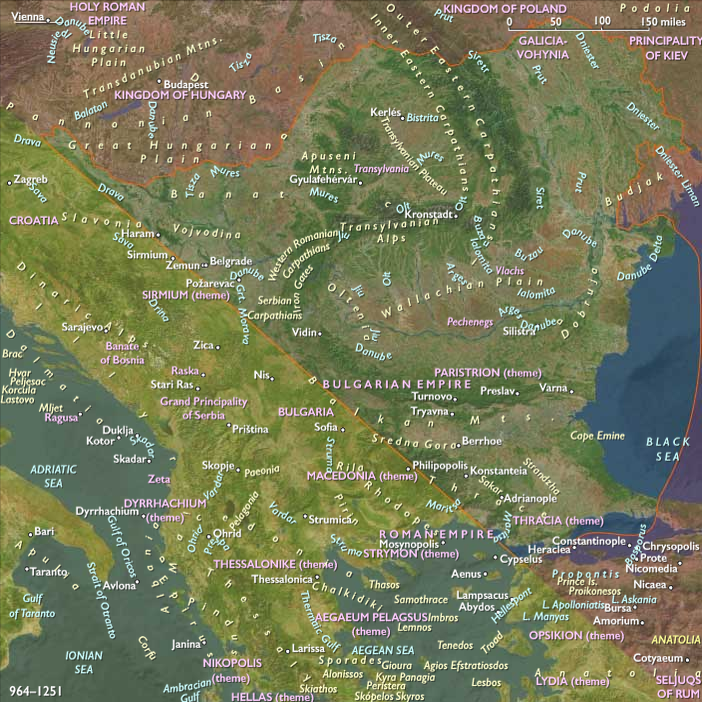
Related Events
Showing 10 events out of 48604 total
Years: 1156 - 1167
People
Groups
- Transylvania, region of
- Thrace, Theme of
- Venice, Duchy of
- Macedonia, East Roman Theme of
- Bulgarian Orthodox Church
- Hungary, Kingdom of
- Christians, Eastern Orthodox
- Sicily, County of
- Roman Empire, Eastern: Komnenos dynasty, restored
- Serbian Grand Principality
- Saxons, Transylvanian
- Sicily, Kingdom of
- Székelys
Topics
Commodoties
Subjects
Regions
Subregions