
Eastern Southeast Europe (1132–1143 CE): Strategic Alliances …
Years: 1132 - 1143
Eastern Southeast Europe (1132–1143 CE): Strategic Alliances and Continued Economic Rivalry
Settlement and Migration Patterns
Stabilization of Roma Communities
From 1132 to 1143 CE, Roma communities became further integrated into Eastern Southeast Europe, expanding their presence from initial Balkan settlements into broader European regions. Their migration contributed to regional cultural diversity and introduced new socioeconomic dynamics.
Urban Consolidation
Cities such as Constantinople experienced continued stability and moderate urban growth. Infrastructure improvements persisted, with enhanced fortifications and civic projects ensuring sustained urban resilience.
Economic and Technological Developments
Persistent Venetian Trade Dominance
During his reign (1118–1143), Emperor John II Komnenos attempted but ultimately failed to break the growing Venetian monopoly on imperial trade. Venetian control continued to shape regional commerce significantly, despite imperial diplomatic and economic efforts to reduce their influence.
Continued Defensive Innovations
Technological advancements in military defense remained a priority, with ongoing improvements in fortifications, military logistics, and strategic preparedness. These developments were essential for maintaining security amidst economic rivalry and geopolitical tensions.
Cultural and Artistic Developments
Flourishing Byzantine Artistry
Cultural activities continued robustly, reflecting Byzantine artistic traditions. Religious art, public monuments, and architecture flourished, reinforced by imperial and local patronage, highlighting the enduring cultural richness of the region.
Intellectual Continuity
Educational institutions and intellectual endeavors actively preserved classical and theological traditions. Scholarly activities maintained regional cultural continuity, adapting effectively to evolving political and economic conditions.
Social and Religious Developments
Diplomatic Strategies of John II Komnenos
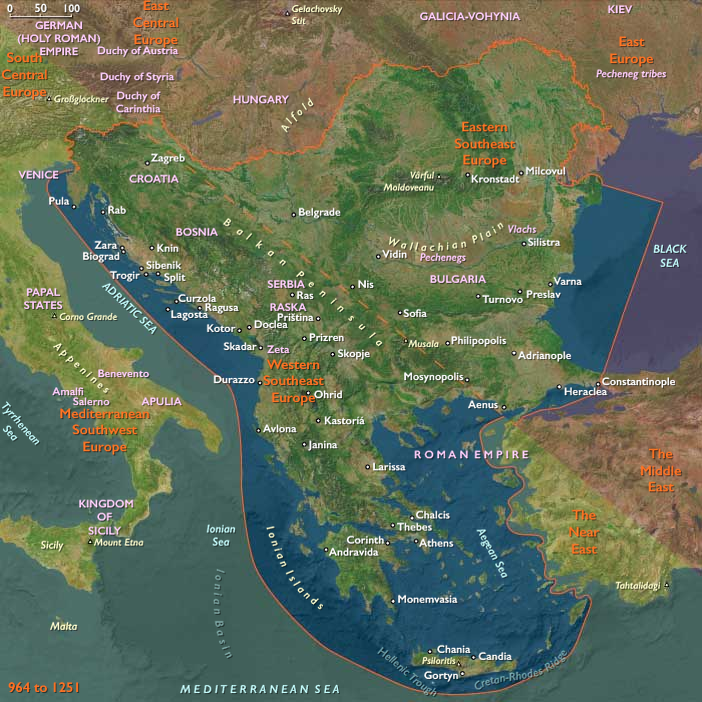
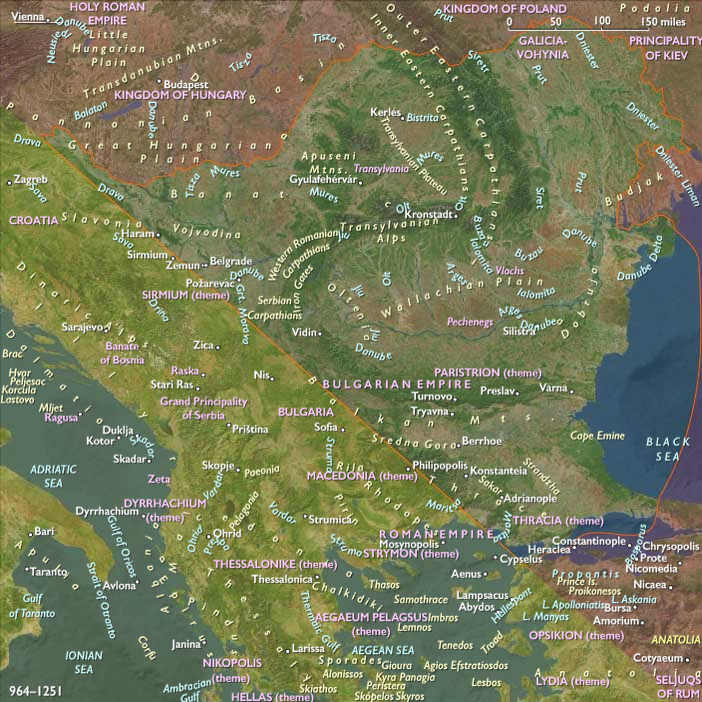
Emperor John II Komnenos pursued strategic diplomatic relations, notably with the newly influential Kingdom of Hungary, capitalizing on family ties by marriage. Recognizing Hungary’s geopolitical significance—lying between the Western and Eastern Roman empires, neighboring the Serbs and Venetians—John fostered diplomatic alliances aimed at counterbalancing the emerging threat posed by the newly established Kingdom of Sicily in 1130, ruled by Roger II. Additionally, the Serbian state under the Vukanović dynasty continued to consolidate its power, playing a crucial role as both a buffer and a rival to Byzantine interests in the Balkans.
Strengthening of Christianity
The role of Christianity further solidified in regional society, shaping cultural, political, and social norms. Expansion and enhancement of religious institutions continued, strengthening societal cohesion and spiritual community life.
Long-Term Consequences and Historical Significance
The period 1132–1143 CE was characterized by strategic diplomatic maneuvers, continued economic rivalry with Venice, and robust cultural and social development. The growing strength and strategic positioning of the Serbian state during this era further complicated regional geopolitics. These events had lasting impacts on Eastern Southeast Europe's regional stability and historical trajectory, significantly influencing the subsequent geopolitical and economic landscapes.
People
Groups
- Thrace, Theme of
- Venice, Duchy of
- Macedonia, East Roman Theme of
- Roma (Romani subgroup)
- Bulgarian Orthodox Church
- Hungary, Kingdom of
- Christians, Eastern Orthodox
- Sicily, County of
- Roman Empire, Eastern: Komnenos dynasty, restored
- Serbian Grand Principality
- Sicily, Kingdom of
Topics
Commodoties
Subjects
Regions
Subregions
Years: 1132 - 1143
People
Groups
- Thrace, Theme of
- Venice, Duchy of
- Macedonia, East Roman Theme of
- Roma (Romani subgroup)
- Bulgarian Orthodox Church
- Hungary, Kingdom of
- Christians, Eastern Orthodox
- Sicily, County of
- Roman Empire, Eastern: Komnenos dynasty, restored
- Serbian Grand Principality
- Sicily, Kingdom of
Topics
Commodoties
Subjects
Regions
Subregions