
Eastern Southeast Europe (1120–1131 CE): Consolidation, Expansion, …
Years: 1120 - 1131
Eastern Southeast Europe (1120–1131 CE): Consolidation, Expansion, and Cultural Flourishing
Settlement and Migration Patterns
Consolidation of Roma Settlements
Between 1120 and 1131 CE, Roma communities increasingly consolidated their presence throughout Eastern Southeast Europe, settling primarily on the outskirts of major urban areas and rural trade routes. This growing Roma presence enhanced the cultural diversity of the region, influencing trade networks and local economies.
Urban Stability and Expansion
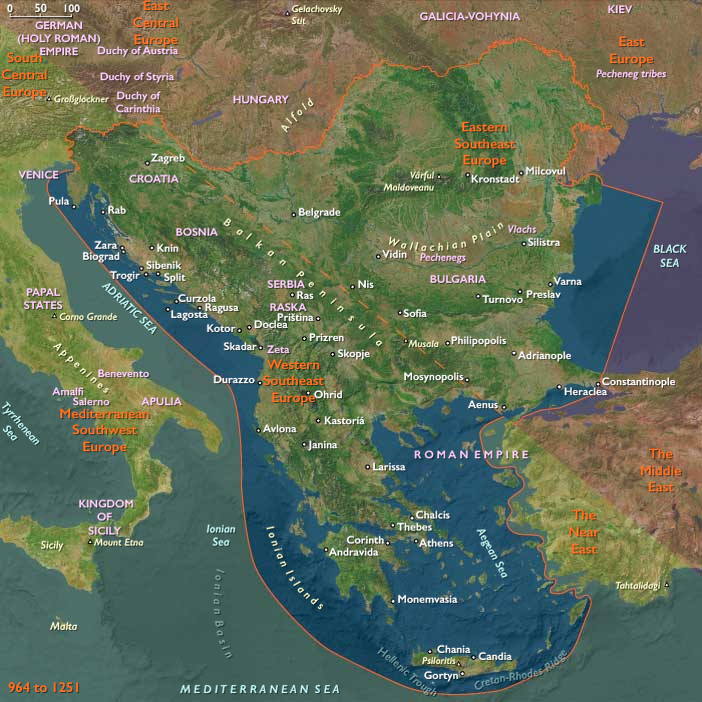
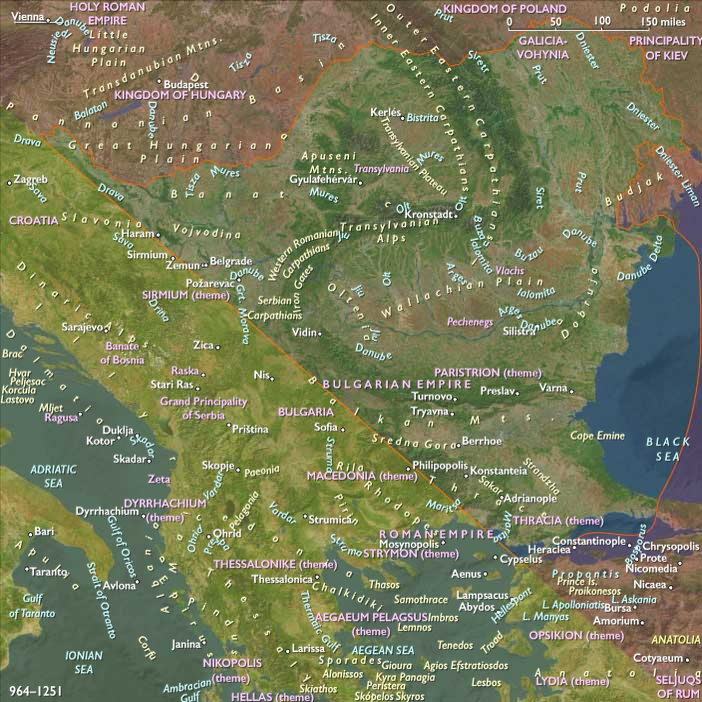
Cities such as Constantinople, Adrianople, and Philippopolis continued their steady growth, maintaining robust defenses and expanding infrastructure. These cities reinforced their roles as significant centers of trade, governance, and cultural activity.
Economic and Technological Developments
Trade Network Expansion
Regional economies flourished through expanded trade connections, linking Eastern Southeast Europe with broader Mediterranean, Balkan, and Eurasian markets. Constantinople solidified its position as a primary hub, channeling trade goods such as textiles, grain, and luxury items.
Advancements in Fortification
Urban fortifications were further enhanced, with improvements in city walls, towers, and military logistics. These technological advancements provided cities with greater security against potential threats and enabled continued economic stability.
Cultural and Artistic Developments
Byzantine Artistic Flourishing
Artistic expression thrived, exemplified by religious art, illuminated manuscripts, mosaics, and iconography. Byzantine artistic traditions reached new heights, enriching the cultural and spiritual landscape of the region.
Intellectual Activity and Education
Educational institutions maintained their roles in preserving and disseminating classical and theological knowledge. Intellectual activities continued to flourish, with scholars producing significant theological, philosophical, and historical works.
Social and Religious Developments
Strengthened Governance
Administrative and provincial governance remained effective, managing both urban and rural areas efficiently. Emphasis on military preparedness and civic management supported regional coherence and stability.
Continued Expansion of Christianity
Christianity deepened its integration into societal structures, further solidifying its role in shaping regional cultural, social, and political dynamics. Religious institutions continued to grow in prominence, supporting community cohesion and spiritual life.
Long-Term Consequences and Historical Significance
The period 1120–1131 CE was marked by significant urban and demographic consolidation, robust economic growth, and cultural flourishing. These elements reinforced Eastern Southeast Europe's resilience and provided critical foundations for ongoing regional stability and development during the High Middle Ages.
Groups
- Thrace, Theme of
- Macedonia, East Roman Theme of
- Roma (Romani subgroup)
- Bulgarian Orthodox Church
- Christians, Eastern Orthodox
- Roman Empire, Eastern: Komnenos dynasty, restored
Topics
Commodoties
Subjects
Regions
Subregions
Related Events
Showing 10 events out of 49346 total
Years: 1120 - 1131
Groups
- Thrace, Theme of
- Macedonia, East Roman Theme of
- Roma (Romani subgroup)
- Bulgarian Orthodox Church
- Christians, Eastern Orthodox
- Roman Empire, Eastern: Komnenos dynasty, restored
Topics
Commodoties
Subjects
Regions
Subregions