
Eastern Southeast Europe (1096–1107 CE): The Crusades, …
Years: 1096 - 1107
Eastern Southeast Europe (1096–1107 CE): The Crusades, Byzantine Ambitions, and Shifting Alliances
Settlement and Migration Patterns
Stability Amid Crusader and Nomadic Pressures
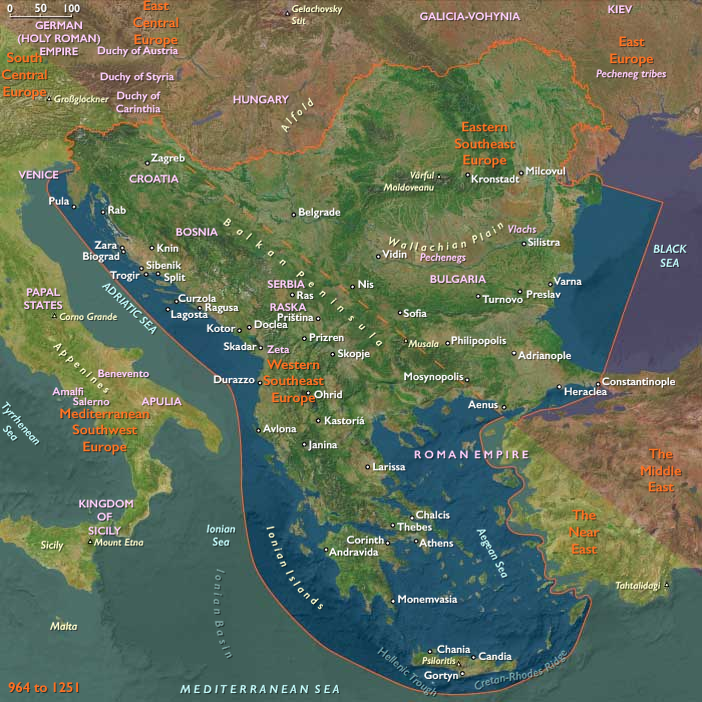
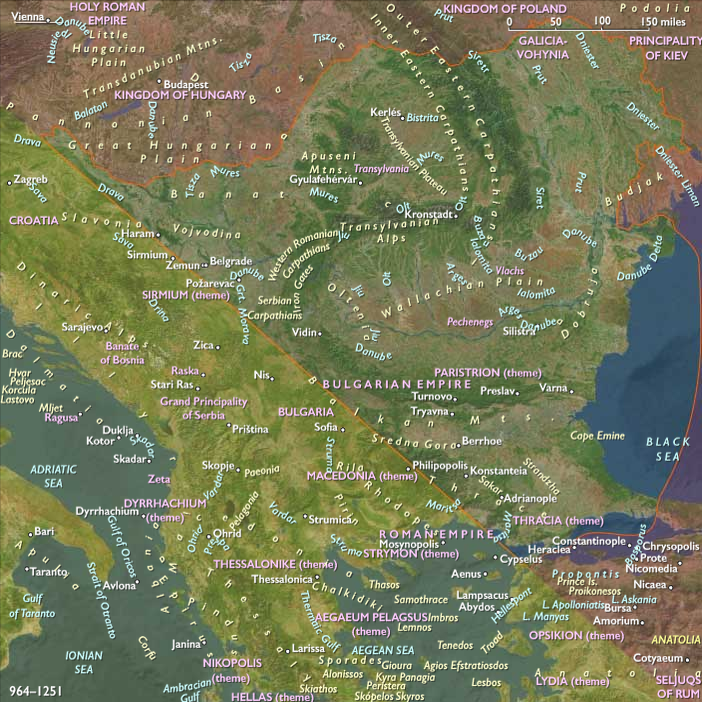
Between 1096 and 1107 CE, Eastern Southeast Europe continued to maintain demographic stability, even as the geopolitical landscape was increasingly complicated by crusading movements and nomadic pressures.
Political and Military Developments
Encroachment of the Crusading Movement
Relations between Constantinople and Western powers deteriorated significantly due to the crusading movement. Initially motivated by religious zeal and territorial ambitions to recapture Jerusalem, the crusaders progressively encroached on Byzantine territories, complicating Emperor Alexios I Komnenos's diplomatic efforts and foreign policy objectives, particularly his primary goal of reestablishing imperial authority in Anatolia.
Disruption of Byzantine-Muslim Relations
The crusading incursions disrupted Byzantine diplomatic relations with neighboring Muslim powers, further destabilizing the empire's strategic situation. Territories once valuable to the Byzantine Empire, such as Antioch, fell under control of Western princelings who replaced Greek Orthodoxy with Latin Christianity, exacerbating tensions between East and West.
Partial Restoration of Imperial Control
Despite these setbacks, Alexios I Komnenos achieved limited successes. He regained control over parts of western Anatolia and advanced into the southeast Taurus region, securing fertile coastal areas around Adana and Tarsus. He also penetrated further south along the Syrian coast, demonstrating a measure of renewed imperial strength and strategic capability.
Persistent External Threats
The Byzantine Empire continued to face multiple simultaneous threats. In addition to crusaders and Muslim principalities, nomadic groups such as the Pechenegs and Cumans, along with the rising power of Hungary and Balkan principalities, created a hostile geopolitical environment. These pressures significantly challenged Byzantine sovereignty and stability.
Limitations of Komnenian Authority
Neither Alexios nor his successors managed to establish permanent control over the Latin crusader states. Continued Norman aggression and the enduring threats from neighboring Muslim territories consistently undermined Byzantine security. Alexios' diplomatic maneuvers, though tactically astute, ultimately could not halt the gradual erosion of imperial power that eventually led to the Ottoman conquest.
Economic and Technological Developments
Economic Strain Amidst Military and Diplomatic Efforts
Ongoing military conflicts and diplomatic complexities placed significant economic strain on Byzantine resources. Efforts to sustain and equip military forces, coupled with the disruptions caused by crusading activities, limited overall economic recovery and growth.
Fortification and Defensive Prioritization
The empire continued enhancing defensive infrastructure, fortifying critical territories to withstand pressures from both crusaders and nomadic incursions. Military fortifications and logistical preparedness remained top priorities for maintaining territorial integrity.
Cultural and Artistic Developments
Cultural Resilience and Continuity
Despite severe geopolitical challenges, Byzantine cultural and artistic traditions persisted. Imperial and ecclesiastical patronage continued supporting intellectual and artistic activities, contributing significantly to the cultural resilience and identity of the empire.
Social and Religious Developments
Orthodox Christianity Under Pressure
Orthodox Christianity continued as a crucial element of societal cohesion but increasingly faced challenges from the encroachment of Latin Christianity brought by crusading forces. The introduction of Western ecclesiastical practices disrupted local religious traditions and deepened religious divides.
Ongoing Influence of Religious Movements
Alternative religious movements, notably the Bogomils, maintained their presence and influence in peripheral and rural areas, providing ongoing diversity in regional religious practices.
Long-Term Consequences and Historical Significance
The period from 1096 to 1107 CE marked the intensification of pressures from the Crusades, complicated Byzantine diplomatic efforts, and exposed inherent weaknesses within the empire. While Emperor Alexios made notable territorial gains, the cumulative pressures from external threats and internal vulnerabilities set the stage for sustained geopolitical and religious shifts in Eastern Southeast Europe.
People
Groups
- Thrace, Theme of
- Muslims, Sunni
- Macedonia, East Roman Theme of
- Pechenegs, or Patzinaks
- Bulgarian Orthodox Church
- Bogomilism
- Germany, Kingdom of (within the Holy Roman Empire)
- Turkmen people
- Cuman people, or Western Kipchaks, also called Polovtsy, Polovtsians)
- Seljuq Empire (Isfahan)
- Christians, Eastern Orthodox
- Roman Empire, Eastern: Doukid dynasty
- Sicily, County of
Topics
Commodoties
Subjects
Regions
Subregions
Related Events
Showing 10 events out of 50218 total
Years: 1096 - 1107
People
Groups
- Thrace, Theme of
- Muslims, Sunni
- Macedonia, East Roman Theme of
- Pechenegs, or Patzinaks
- Bulgarian Orthodox Church
- Bogomilism
- Germany, Kingdom of (within the Holy Roman Empire)
- Turkmen people
- Cuman people, or Western Kipchaks, also called Polovtsy, Polovtsians)
- Seljuq Empire (Isfahan)
- Christians, Eastern Orthodox
- Roman Empire, Eastern: Doukid dynasty
- Sicily, County of
Topics
Commodoties
Subjects
Regions
Subregions