
Eastern Southeast Europe (1084–1095 CE): Recovery, External …
Years: 1084 - 1095
Eastern Southeast Europe (1084–1095 CE): Recovery, External Threats, and the First Crusade
Settlement and Migration Patterns
Stability Amidst External Pressures
Between 1084 and 1095 CE, Eastern Southeast Europe continued to experience relative demographic stability, even as external threats and geopolitical pressures intensified.
Political and Military Developments
End of Norman Threat
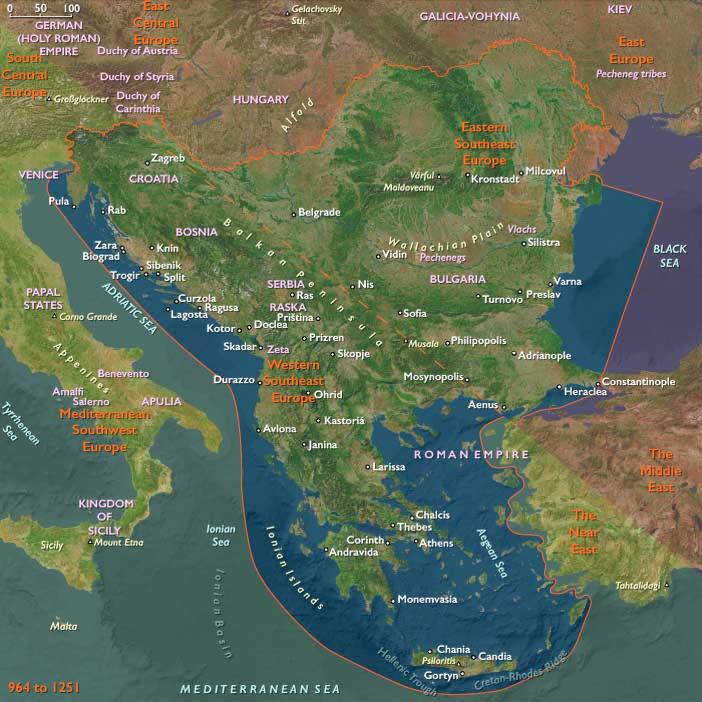
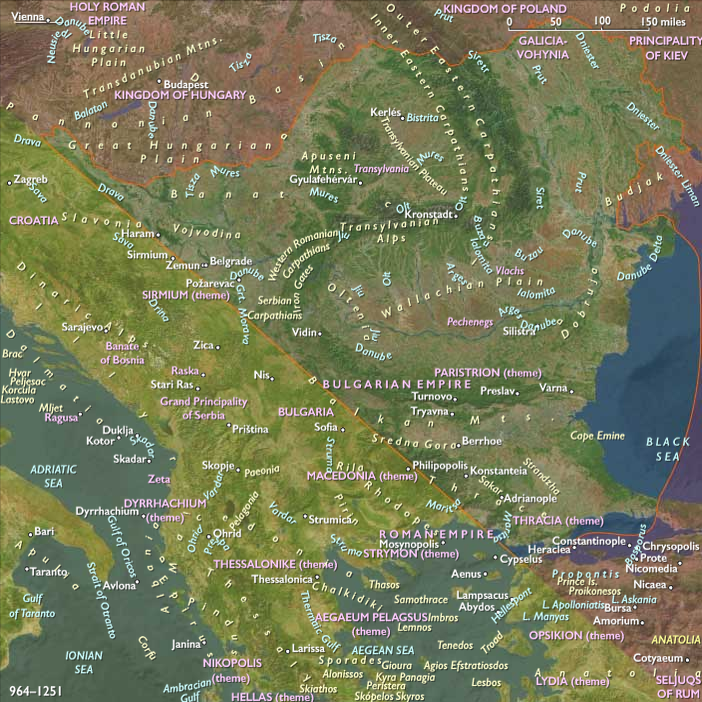
The Norman threat to Constantinople subsided temporarily following the death of Robert Guiscard in 1085. This event, combined with a critical Byzantine victory and decisive Venetian assistance, allowed the Byzantine Empire to regain control of the Balkans and stabilize its immediate western territories.
Persistent External Threats
Despite this regional stabilization, the empire faced ongoing threats on multiple fronts. To the east and south, the Seljuq Turks continued to pressure remaining Byzantine territories. Simultaneously, heretical Bogomils and nomadic groups like the Pechenegs and Cumans posed significant threats from the north and west.
Introduction and Impact of the Cumans
The Cumans, also known as Polovtsians or Kipchaks, were a nomadic Turkic people originating from the Eurasian steppes. Known for their exceptional horsemanship and military prowess, they frequently raided into Eastern Southeast Europe, significantly disrupting regional stability. Their presence added complexity to the already volatile political landscape, threatening Byzantine control over territories north of the Danube and engaging in alliances or rivalries with various regional powers, including the Pechenegs and local Bulgarian factions.
Request for Western Military Aid
Faced with overwhelming external pressures, Emperor Alexios I Komnenos sought military assistance from the Papacy and the Western European powers. This request, initially aimed at alleviating direct regional threats, inadvertently prompted a dramatic Western response that exceeded Byzantine expectations.
Initiation of the First Crusade
The West's exaggerated response culminated in the formation of the First Crusade, aiming not merely at defending Byzantine territories, but also the ambitious objective of liberating the Holy Land from Muslim control. This marked the beginning of a complex and long-lasting interaction between Byzantine and Western forces.
Economic and Technological Developments
Economic Pressures and Limited Recovery
Although the Norman threat's temporary abatement allowed some economic recovery, the Byzantine Empire continued to experience economic strain due to ongoing conflicts and external pressures, restricting full restoration of prior economic stability.
Strategic Military Infrastructure
The Byzantine Empire continued strategic fortification efforts, improving defensive infrastructure to manage continued threats from Turks, Pechenegs, Cumans, and other hostile forces. Military logistics and fortifications remained a high priority.
Cultural and Artistic Developments
Cultural Continuity and Patronage
Despite ongoing conflicts, Byzantine cultural and artistic production continued, supported by imperial and ecclesiastical patronage. Intellectual activities remained vibrant, contributing to the broader resilience of Byzantine culture.
Social and Religious Developments
Continued Centrality of Orthodox Christianity
Orthodox Christianity remained a core stabilizing element, playing a significant role in societal cohesion and cultural identity amidst persistent geopolitical instability.
Bogomil Movement's Persistent Influence
The Bogomil movement maintained its influence, particularly in rural and peripheral areas, continuing to provide a significant alternative religious perspective to official Orthodox Christianity.
Long-Term Consequences and Historical Significance
The period from 1084 to 1095 CE was crucial, marking a temporary stabilization in the Balkans and a strategic recovery from Norman aggression. However, the external threats, particularly from the newly influential Cumans, and Emperor Alexios' plea for Western aid unintentionally sparked the First Crusade, dramatically reshaping the geopolitical and religious landscape of Eastern Southeast Europe and the broader Mediterranean world.
People
Groups
- Thrace, Theme of
- Muslims, Sunni
- Macedonia, East Roman Theme of
- Pechenegs, or Patzinaks
- Bulgarian Orthodox Church
- Bogomilism
- Normans
- Germany, Kingdom of (within the Holy Roman Empire)
- Turkmen people
- Cuman people, or Western Kipchaks, also called Polovtsy, Polovtsians)
- Seljuq Empire (Isfahan)
- Christians, Eastern Orthodox
- Roman Empire, Eastern: Doukid dynasty
- Sicily, County of
Topics
Commodoties
Subjects
Regions
Subregions
Years: 1084 - 1095
People
Groups
- Thrace, Theme of
- Muslims, Sunni
- Macedonia, East Roman Theme of
- Pechenegs, or Patzinaks
- Bulgarian Orthodox Church
- Bogomilism
- Normans
- Germany, Kingdom of (within the Holy Roman Empire)
- Turkmen people
- Cuman people, or Western Kipchaks, also called Polovtsy, Polovtsians)
- Seljuq Empire (Isfahan)
- Christians, Eastern Orthodox
- Roman Empire, Eastern: Doukid dynasty
- Sicily, County of
Topics
Commodoties
Subjects
Regions
Subregions