
Eastern Southeast Europe (1048–1059 CE): The East–West …
Years: 1048 - 1059
Eastern Southeast Europe (1048–1059 CE): The East–West Schism and Ecclesiastical Divisions
Settlement and Migration Patterns
Stability Amidst Ecclesiastical Tensions
Between 1048 and 1059 CE, demographic stability persisted in Eastern Southeast Europe, despite significant ecclesiastical divisions that sharply defined regional religious and political identities.
Political and Military Developments
Increasing Ecclesiastical Tensions
Relations between Eastern and Western Christendom, already strained by longstanding theological and ecclesiastical disputes, significantly deteriorated during this era. Disagreements over theological issues, such as the filioque controversy (the source of the Holy Spirit), liturgical practices (use of leavened versus unleavened bread), and jurisdictional claims by the Papacy, intensified mutual antagonism.
Prelude to the East–West Schism
In 1053, the Patriarch of Constantinople, Michael Cerularius, took the decisive step of closing all Latin churches in Constantinople. This marked the beginning of a formalized division that would culminate in the historic East–West Schism.
Papal Legation of 1054
In 1054, a Papal legation led by Cardinal Humbert traveled to Constantinople. Their mission included rejecting Cerularius’s claim to the title "Ecumenical Patriarch" and asserting Rome's primacy over all Christian churches. The delegation also aimed to secure Byzantine military assistance against the Norman conquest of southern Italy and respond to attacks by Leo of Ohrid on Western ecclesiastical practices, which were supported by Cerularius.
Mutual Excommunications
Upon Cerularius’s refusal to comply with the Papal demands, Cardinal Humbert excommunicated him. Cerularius reciprocated by excommunicating Humbert and the other legates. These actions initiated the formal separation between the Eastern (Greek) and Western (Latin) branches of Chalcedonian Christianity, marking a pivotal moment in Christian history.
Economic and Technological Developments
Economic Continuity Amidst Ecclesiastical Conflict
Despite the ecclesiastical conflicts, regional economic stability remained generally intact, supported by local commerce and agricultural productivity, though trade relations between East and West may have been indirectly affected by growing hostilities.
Fortifications and Military Preparedness
Imperial authorities continued to address fortification needs and defensive measures, albeit hampered by internal religious conflicts and diverted attention due to ecclesiastical politics.
Cultural and Artistic Developments
Cultural Stability and Intellectual Output
Cultural and intellectual activities continued robustly, although the schism influenced intellectual discourse, prompting vigorous theological and philosophical debates within ecclesiastical and scholarly communities.
Social and Religious Developments
Formalization of the East–West Schism
This era witnessed significant religious realignment, as the East–West Schism formally divided Christianity into the Eastern Orthodox and Roman Catholic traditions. These divisions profoundly influenced regional religious identities and ecclesiastical structures.
Continued Influence of Alternative Religious Movements
The Bogomil movement persisted during this period, influencing rural religious life and presenting an alternative religious perspective amidst broader ecclesiastical disputes.
Long-Term Consequences and Historical Significance
The period from 1048 to 1059 CE was pivotal, marking the formal inception of the East–West Schism, which significantly reshaped ecclesiastical structures and regional identities. The mutual excommunications and theological disputes entrenched lasting divisions between Eastern and Western Christianity, profoundly impacting subsequent religious, political, and cultural developments in Eastern Southeast Europe and beyond.
People
Groups
- Thrace, Theme of
- Christianity, Chalcedonian
- Macedonia, East Roman Theme of
- Roman Empire, Eastern: Macedonian dynasty
- Bulgarian Orthodox Church
- Bogomilism
- Christians, Eastern Orthodox
- Christians, Roman Catholic
Topics
Commodoties
Subjects
Regions
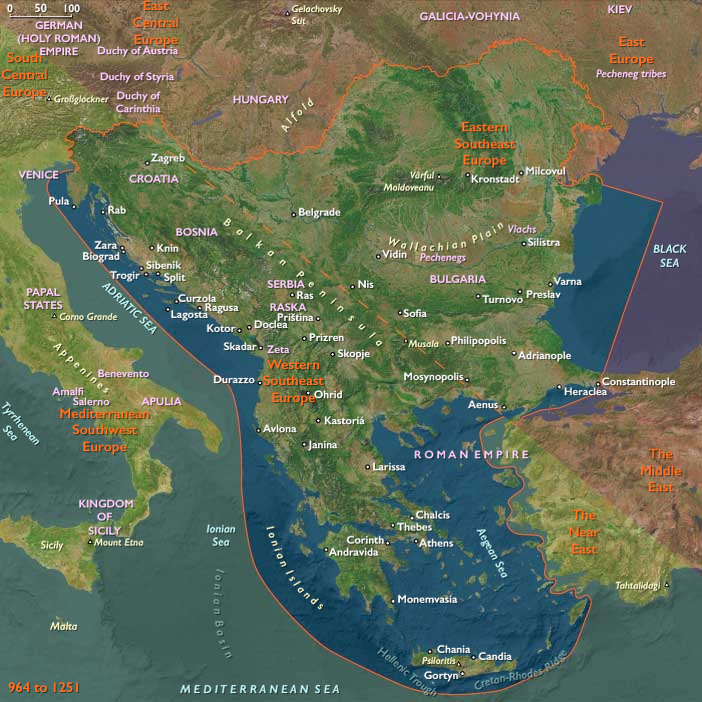
Subregions
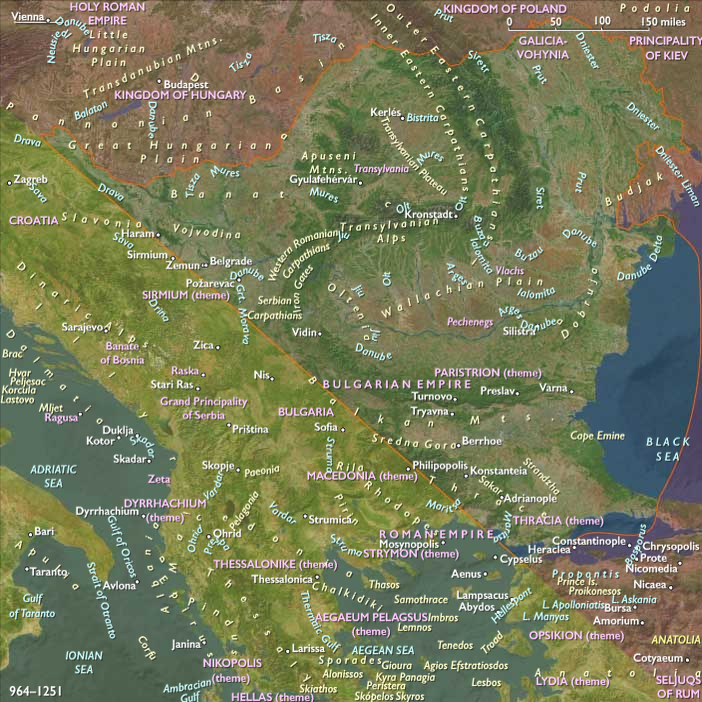
Related Events
Showing 10 events out of 51252 total
Years: 1048 - 1059
People
Groups
- Thrace, Theme of
- Christianity, Chalcedonian
- Macedonia, East Roman Theme of
- Roman Empire, Eastern: Macedonian dynasty
- Bulgarian Orthodox Church
- Bogomilism
- Christians, Eastern Orthodox
- Christians, Roman Catholic
Topics
Commodoties
Subjects
Regions
Subregions