
Eastern Southeast Europe (1036–1047 CE): Cultural Revival …
Years: 1036 - 1047
Eastern Southeast Europe (1036–1047 CE): Cultural Revival and Imperial Neglect
Settlement and Migration Patterns
Urban Stability and Aristocratic Influence
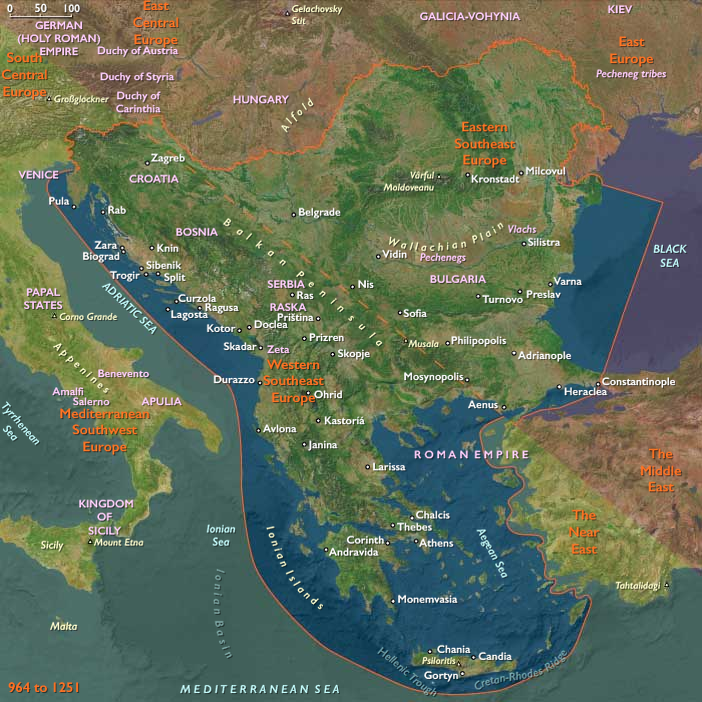
Between 1036 and 1047 CE, demographic stability persisted within Eastern Southeast Europe, notably characterized by a cultural renaissance centered in Constantinople. The urban aristocracy played a crucial role in promoting cultural sophistication and intellectual pursuits amid a relatively peaceful interval.
Political and Military Developments
Cultural Renaissance under Constantine IX
Emperor Constantine IX Monomachus significantly impacted cultural and intellectual life by reorganizing the University of Constantinople, fostering an era marked by the efflorescence of learning, literature, and scholarly activity. His patronage helped establish the city as a renowned cultural hub.
Neglect of Imperial Defenses
Despite cultural achievements, Constantine IX notably neglected imperial defenses. His extravagant expenditures on luxuries, grand buildings, and public works, coupled with the serious debasement of coinage, weakened imperial finances and the empire's overall military readiness.
Economic and Technological Developments
Economic Strain from Fiscal Mismanagement
The emperor’s extravagant spending habits and debasement of currency significantly strained the Byzantine economy. These financial practices undermined economic stability, resulting in inflation and reduced fiscal resources necessary for defense and infrastructure.
Fortifications and Defense Decline
During Constantine IX’s reign, critical defensive infrastructure received insufficient attention, compromising the empire’s preparedness against external threats and leaving its borders increasingly vulnerable.
Cultural and Artistic Developments
Flourishing Cultural Activities
Under the patronage of Constantine IX, cultural activities flourished, marking a renaissance in Byzantine learning and the arts. This cultural revival manifested prominently in the reorganization and expansion of the University of Constantinople.
Continued Literary and Intellectual Output
Scholarly and literary endeavors thrived during this period, driven by the reinvigorated University of Constantinople, monastic scriptoria, and ecclesiastical patronage, thereby ensuring continued cultural resilience and intellectual advancement.
Social and Religious Developments
Strengthening of Orthodox Christianity
Orthodox Christianity maintained its significant societal role, continuing to provide stability and cultural cohesion. Ecclesiastical institutions further reinforced their position through sustained influence over cultural and educational initiatives.
Ongoing Presence of Religious Movements
The Bogomil movement continued to influence rural religious life and societal dynamics, representing a persistent alternative to Orthodox ecclesiastical authority and traditional religious practices.
Long-Term Consequences and Historical Significance
The era from 1036 to 1047 CE was distinguished by significant cultural and intellectual achievements, largely due to the efforts of Emperor Constantine IX. However, his financial mismanagement and neglect of military defenses had severe repercussions, undermining imperial security and stability, and setting the stage for future challenges in Eastern Southeast Europe.
People
Groups
- Thrace, Theme of
- Christianity, Chalcedonian
- Macedonia, East Roman Theme of
- Roman Empire, Eastern: Macedonian dynasty
- Bulgarian Orthodox Church
- Bogomilism
Topics
Commodoties
Subjects
Regions
Subregions

Years: 1036 - 1047
People
Groups
- Thrace, Theme of
- Christianity, Chalcedonian
- Macedonia, East Roman Theme of
- Roman Empire, Eastern: Macedonian dynasty
- Bulgarian Orthodox Church
- Bogomilism
Topics
Commodoties
Subjects
Regions
Subregions