
East Polynesia (820–1971 CE): Isolation, Contact, and …
Years: 820 - 1971
East Polynesia (820–1971 CE): Isolation, Contact, and Cultural Persistence
Political and Social Developments
Initial Settlement and Community Formation
Between approximately 800 and 1200 CE, Polynesian settlers reached and established communities on Easter Island (Rapa Nui) and the Pitcairn Islands. These communities developed distinct cultural identities and social structures, adapting to their isolated environments.
Chiefdoms and Social Organization
Rapa Nui evolved into a complex chiefdom society characterized by hierarchical leadership structures and extensive clan-based organization. Pitcairn Islands experienced smaller-scale societal structures due to their limited land and resource bases.
European Contact and Subsequent Impacts
European explorers first made contact with Easter Island in 1722 and the Pitcairn Islands in 1767. These interactions significantly disrupted traditional societies through disease, resource exploitation, and demographic decline.
Economic and Technological Developments
Sustainable Resource Management
Island economies centered on agriculture, fishing, and bird hunting, tailored to local ecosystems. Easter Islanders notably developed sophisticated agricultural systems, including stone gardens (manavai), and managed marine resources sustainably.
Introduction of European Technology
European contact brought new technologies, including metal tools, firearms, and ships, profoundly altering traditional economies and resource management strategies. These changes reshaped livelihoods and community dynamics significantly.
Cultural and Artistic Developments
Monumental Architecture and Sculpture
Rapa Nui is renowned for its monumental stone statues (moai), reflecting sophisticated engineering and artistic capabilities. These sculptures hold cultural and religious significance, symbolizing ancestral veneration and social hierarchy.
Preservation of Traditional Knowledge
Despite external disruptions, islanders preserved traditional navigational skills, oral histories, and artisanal practices. Cultural expressions persisted, demonstrating resilience amid extensive demographic and social challenges.
Religious Developments
Indigenous Religious Practices
Religious practices centered around ancestor worship, natural deities, and ceremonial rites that reinforced community cohesion and social order. Rituals included elaborate ceremonies and offerings, reflecting deep spiritual connections to the environment.
Influence of Christianity
Christianity was introduced primarily during the 19th century, significantly transforming religious beliefs and practices. Indigenous spirituality often syncretized with Christian beliefs, shaping contemporary religious landscapes.
Long-Term Consequences and Historical Significance
The period from 820 to 1971 CE profoundly shaped East Polynesia through initial settlement, cultural flourishing, external contacts, and socio-economic transformations. These developments underscore the resilience and adaptability of isolated Pacific societies, leaving lasting legacies that continue to influence regional identities and global perspectives on sustainability and cultural heritage.
Groups
- Christians, Roman Catholic
- Pitcairn Islands (United Kingdom overseas territory)
- Chile, (Liberal) Republic of
- Easter Island, Chilean province of
- Chile, (Parliamentary) Republic of
- Chile, (Presidential) Republic of
Commodoties
Subjects
Regions
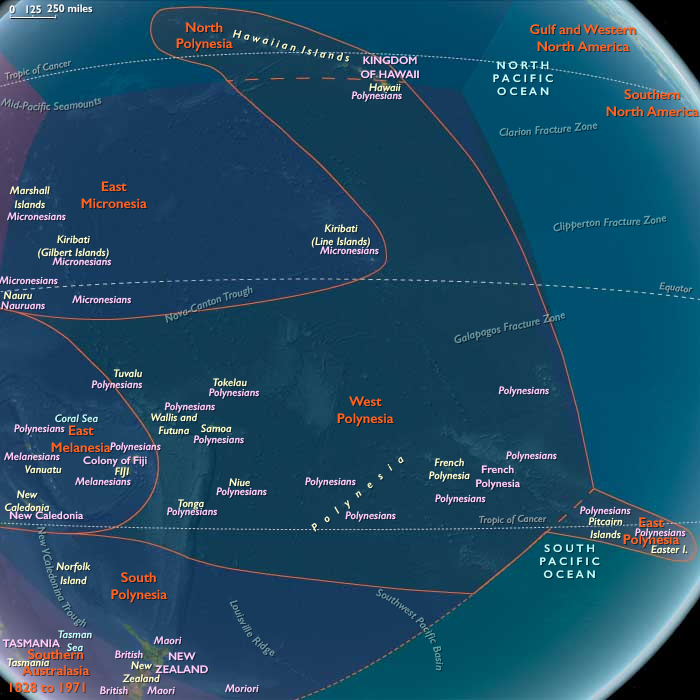
Subregions
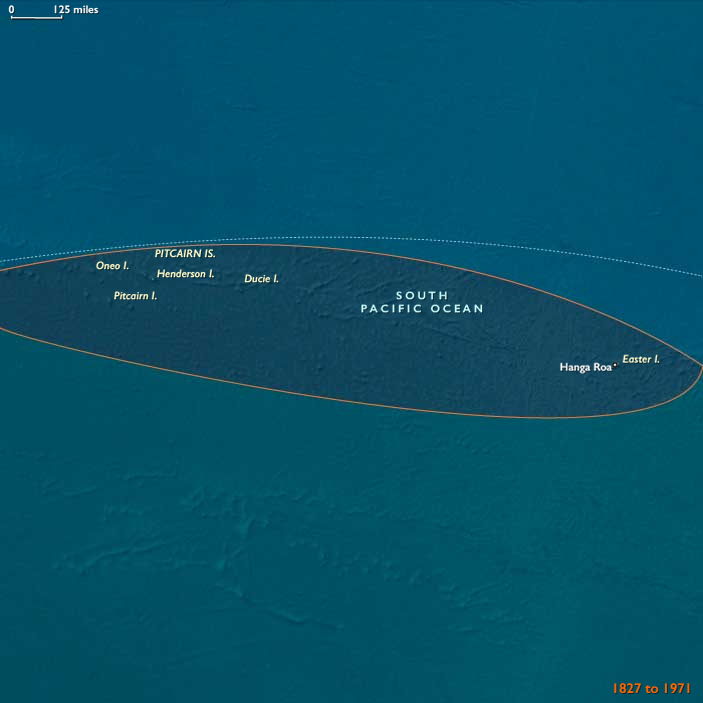
Years: 820 - 1971
Groups
- Christians, Roman Catholic
- Pitcairn Islands (United Kingdom overseas territory)
- Chile, (Liberal) Republic of
- Easter Island, Chilean province of
- Chile, (Parliamentary) Republic of
- Chile, (Presidential) Republic of
Commodoties
Subjects
Regions
Subregions