
Georgia President Button Gwinnett has organized an …
Years: 1777 - 1777
May
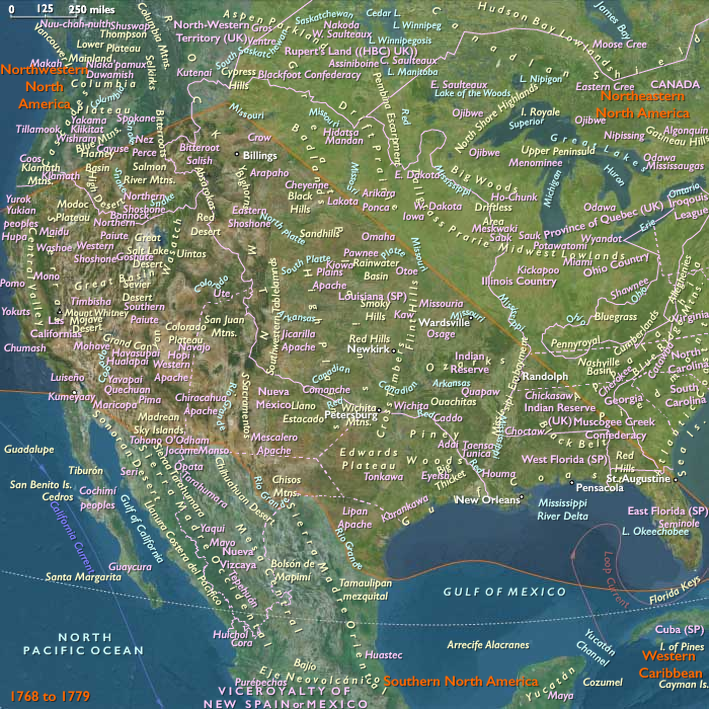
Georgia President Button Gwinnett has organized an expedition against the capital of British East Florida, St. Augustine, following the raiding expedition by Loyalist Thomas Brown in February 1777 against his state.
General Robert Howe, commander of the Continental Army's Southern Department, agrees to contribute some Continental forces, and authorizes Colonel Samuel Elbert's 2nd Georgia Regiment and Brigadier General Lachlan McIntosh to participate.
McIntosh and Gwinnett are bitter political enemies, and cannot agree on issues of command and strategy.
As a consequence, Howe and the Georgia legislature give command of the operation to Colonel Elbert. (Another consequence of the disagreement between McIntosh and Gwinnett is a duel they fought on May 16; both men are wounded, and Gwinnett will die several days later.)
In addition to the three hundred Continentals from the 1st and 2nd Georgia Regiments, the expedition includes some militia cavalry led by Colonel John Baker.
Sources vary on the exact size of Baker's company; it is reported to be either about one hundred or two hundred men.
The expedition had left Sunbury on May 1.
Baker's cavalry rides overland while Elbert's Continentals sail via the inland waterway with the expectation of meeting at Sawpit Bluff, near the mouth of the Nassau River in what is now Duval County, Florida.
Baker reaches Sawpit Bluff on May 12.
The flotilla, under the command of Commodore Oliver Bowen, has been delayed by contrary winds, and will not reach Amelia Island until May 18.
General Robert Howe, commander of the Continental Army's Southern Department, agrees to contribute some Continental forces, and authorizes Colonel Samuel Elbert's 2nd Georgia Regiment and Brigadier General Lachlan McIntosh to participate.
McIntosh and Gwinnett are bitter political enemies, and cannot agree on issues of command and strategy.
As a consequence, Howe and the Georgia legislature give command of the operation to Colonel Elbert. (Another consequence of the disagreement between McIntosh and Gwinnett is a duel they fought on May 16; both men are wounded, and Gwinnett will die several days later.)
In addition to the three hundred Continentals from the 1st and 2nd Georgia Regiments, the expedition includes some militia cavalry led by Colonel John Baker.
Sources vary on the exact size of Baker's company; it is reported to be either about one hundred or two hundred men.
The expedition had left Sunbury on May 1.
Baker's cavalry rides overland while Elbert's Continentals sail via the inland waterway with the expectation of meeting at Sawpit Bluff, near the mouth of the Nassau River in what is now Duval County, Florida.
Baker reaches Sawpit Bluff on May 12.
The flotilla, under the command of Commodore Oliver Bowen, has been delayed by contrary winds, and will not reach Amelia Island until May 18.
Locations
People
- Button Gwinnett
- Jacques Marcus Prevost
- Lachlan McIntosh
- Patrick Tonyn
- Robert Howe
- Samuel Elbert
- Thomas Brown
Groups
- Chiaha
- Muscogee, or Creek, people (Amerind tribe)
- Seminole (Amerind tribe)
- Britain, Kingdom of Great
- British people
- Georgia, Province of (British Colony)
- East Florida
- West Florida
- United States of America (US, USA) (Philadelphia PA)
- Americans
Topics
- American Revolutionary War, or American War of Independence
- American Revolutionary War, Southern theater of the
- Thomas Creek, Battle of
Commodoties
Subjects
Regions
Subregions
Related Events
Showing 10 events out of 25428 total
Years: 1777 - 1777
May
Locations
People
- Button Gwinnett
- Jacques Marcus Prevost
- Lachlan McIntosh
- Patrick Tonyn
- Robert Howe
- Samuel Elbert
- Thomas Brown
Groups
- Chiaha
- Muscogee, or Creek, people (Amerind tribe)
- Seminole (Amerind tribe)
- Britain, Kingdom of Great
- British people
- Georgia, Province of (British Colony)
- East Florida
- West Florida
- United States of America (US, USA) (Philadelphia PA)
- Americans
Topics
- American Revolutionary War, or American War of Independence
- American Revolutionary War, Southern theater of the
- Thomas Creek, Battle of
Commodoties
Subjects
Regions
Subregions