
East Europe (1108 – 1251 CE): Fragmented …
Years: 1108 - 1251
East Europe (1108 – 1251 CE): Fragmented Rus’, Steppe Pressures, and Mongol Invasions
Geographic and Environmental Context
East Europe includes Belarus, Ukraine, the European portion of Russia, and the sixteen Russian republics that lie west of the Urals.
-
The Dnieper, Volga, and Don river systems connected forests and steppes, serving as major arteries of trade and movement.
-
The Carpathian foothills, Black Sea steppes, and northern forests shaped both agriculture and pastoralism.
-
The region was a frontier between Slavic agricultural societies and nomadic steppe confederations.
Climate and Environmental Shifts
-
The Medieval Warm Period favored longer growing seasons, expanding cereal agriculture in forest-steppe zones.
-
Stable climatic conditions supported population growth, but steppe nomads remained vulnerable to droughts, prompting migrations and raids.
-
Forest and riverine resources provided a buffer against agricultural shortfalls.
Societies and Political Developments
-
Kievan Rus’: By the early 12th century, Kievan Rus’ fragmented into competing principalities (Kiev, Novgorod, Vladimir-Suzdal, Galicia-Volhynia).
-
Novgorod: Emerged as a powerful commercial republic, dominated by boyar elites and connected to the Hanseatic trade.
-
Vladimir-Suzdal: Rose in northeastern Rus’, laying foundations for the future Muscovite core.
-
Steppe nomads: The Cumans (Polovtsy) dominated the southern steppes, pressing against Rus’ principalities.
-
Mongol invasions: Beginning in 1223 (Battle of the Kalka River) and culminating in 1237–1240, Mongol armies under Batu Khan conquered Rus’, sacking Kiev in 1240 and establishing dominance through the Golden Horde.
Economy and Trade
-
Agriculture: Rye, wheat, barley, and oats cultivated in the forest-steppe; hunting and beekeeping were important in northern zones.
-
Trade: Novgorod thrived on fur, wax, honey, and fish exports, linking to the Hanseatic League. Kiev controlled Dnieper routes to Byzantium until decline.
-
Tribute systems: Under Mongol rule after 1240, tribute payments were imposed on Rus’ princes.
-
Pastoralism on the steppe supported Cumans and later Mongols, who profited from horse and livestock economies.
Subsistence and Technology
-
Agrarian tools: Iron ploughshares and watermills supported expanding cultivation.
-
Military technology: Composite bows, cavalry tactics, and siegecraft defined steppe warfare; Rus’ fortresses (kremlins) adapted to invasions.
-
River craft: Flat-bottomed boats enabled transport of grain, honey, and furs along major rivers.
-
Architectural styles: Rus’ churches combined Byzantine influences with local wooden construction.
Movement and Interaction Corridors
-
The Dnieper River was a historic trade route to Byzantium, though its importance waned after the 12th century.
-
The Volga corridor linked Rus’ to the Caspian and Islamic world.
-
The steppe corridor allowed rapid Cuman and Mongol movements, shaping geopolitics.
-
Novgorod’s trade routes tied northern Rus’ to the Baltic and Scandinavia.
Belief and Symbolism
-
Eastern Orthodox Christianity dominated Rus’, with monasteries as cultural and spiritual centers.
-
Kiev remained the metropolitan seat until Mongol conquest; the Church provided continuity during political decline.
-
Cumans practiced Tengri shamanism, blending Turkic traditions with elements of Christianity and Islam through contact.
-
Mongols remained religiously pluralist, though shamanistic traditions guided their conquest period.
Adaptation and Resilience
-
Fragmentation weakened Rus’, but regional centers like Novgorod and Vladimir-Suzdal adapted through trade and fortification.
-
Tribute systems under the Mongols allowed survival, though autonomy was curtailed.
-
Steppe nomads adapted flexibly to climate stress, integrating conquered peoples into military and tribute systems.
-
The Orthodox Church provided cohesion and resilience under foreign domination.
Long-Term Significance
By 1251 CE, East Europe had been transformed by the Mongol conquest. Kievan Rus’ was shattered, Kiev reduced to ruin, and power shifted toward northeastern principalities. Novgorod survived as a commercial republic, while Vladimir-Suzdal became a core of future Muscovy. The integration of East Europe into the Mongol imperial system reshaped political, economic, and cultural trajectories, ensuring the region’s role as both a frontier and a bridge in Eurasian history.
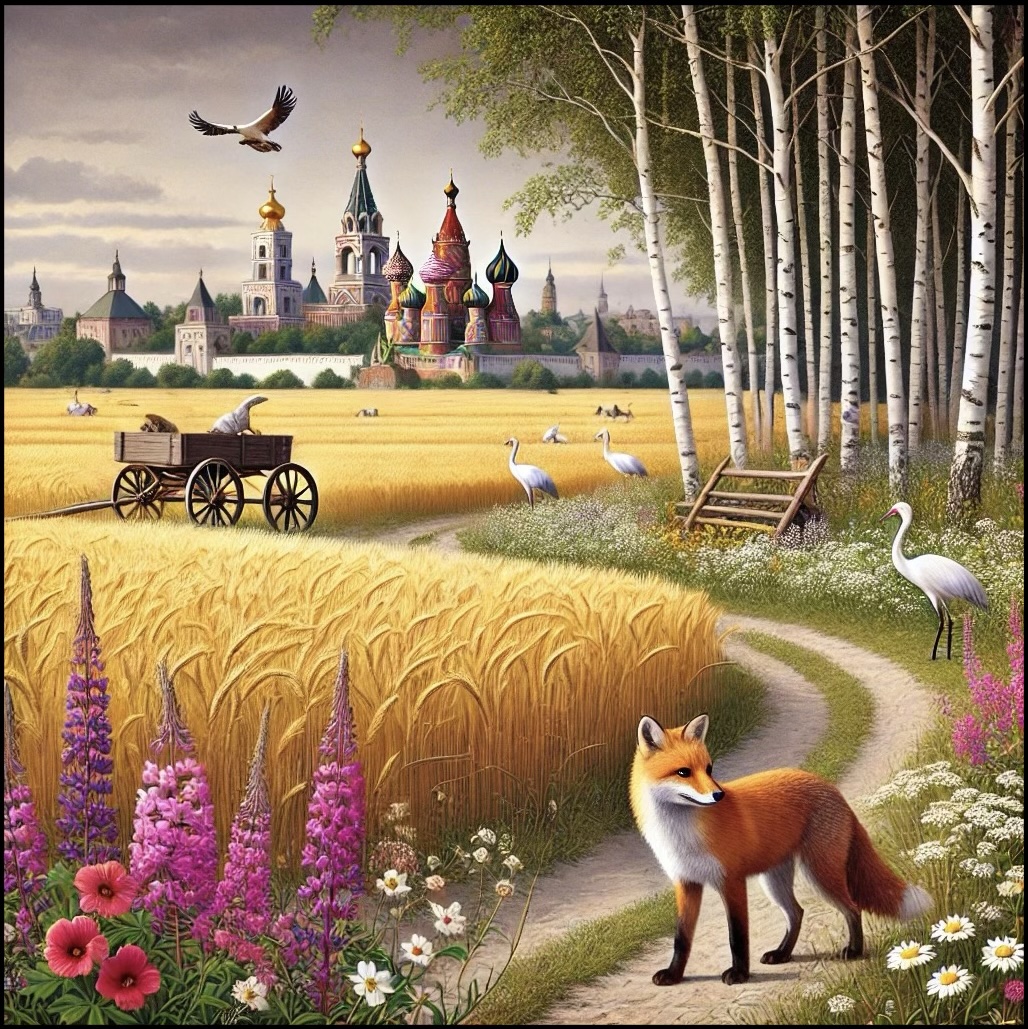
East Europe (with civilization) ©2024-25 Electric Prism, Inc. All rights reserved.
People
Groups
- Volga Bulgaria, or Volga-Kama Bulgaria
- Polatsk, Principality of
- Novgorod, Principality of
- Kievan Rus', or Kiev, Great Principality of
- Hanseatic league (informally organized)
- Christians, Eastern Orthodox
- Halych (Galicia), Principality of
- Mongols
- Vladimir-Suzdal, Great Principality of
- Galicia–Volhynia, Principality of
- Mongol Empire
- Golden Horde, Khanate of the (Mongol Khanate)
Topics
- Medieval Warm Period (MWP) or Medieval Climate Optimum
- Mongol Conquests
- Mongol Invasion of Europe
- Mongol Invasions of Rus'
- Mongol Invasion of Volga Bulgaria
- Mongol Invasions of Europe
Commodoties
- Weapons
- Hides and feathers
- Gem materials
- Domestic animals
- Grains and produce
- Ceramics
- Strategic metals
- Slaves
- Sweeteners
- Beer, wine, and spirits
Subjects
Regions
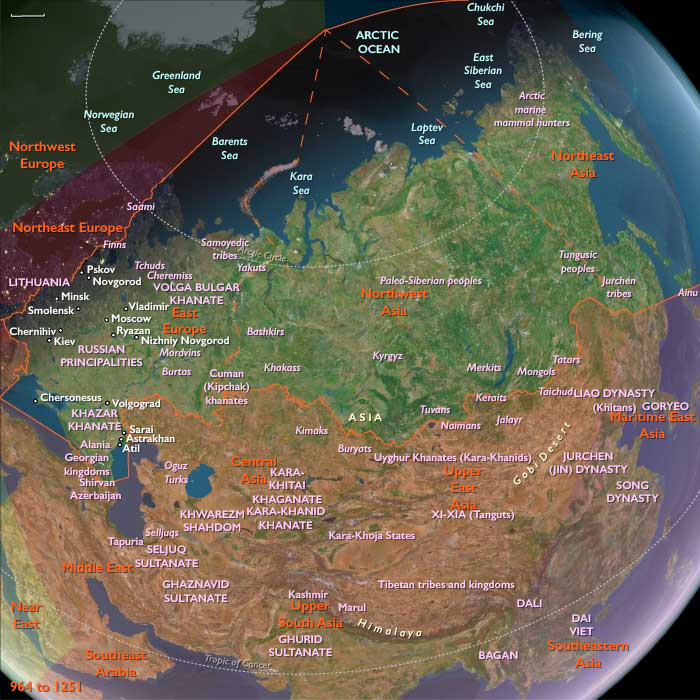
Subregions
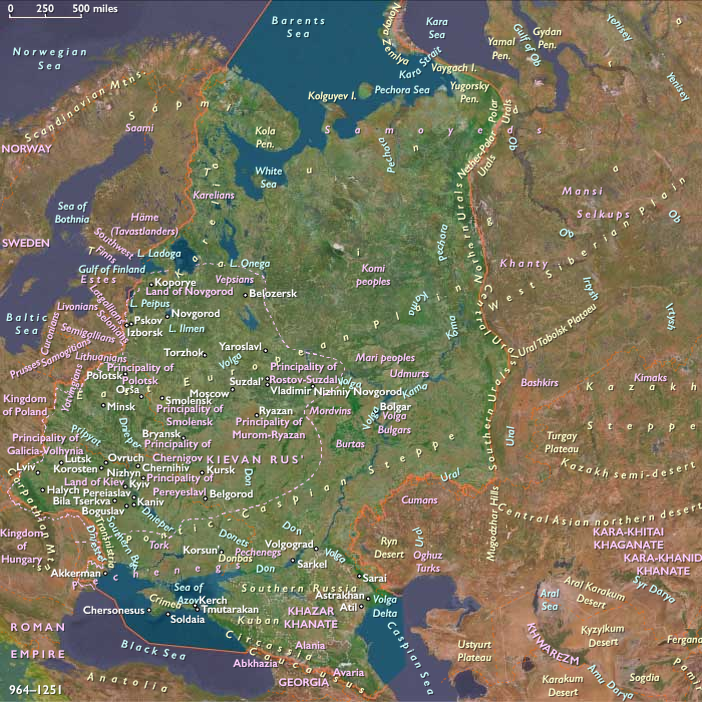
Years: 1108 - 1251
East Europe (with civilization) ©2024-25 Electric Prism, Inc. All rights reserved.
People
Groups
- Volga Bulgaria, or Volga-Kama Bulgaria
- Polatsk, Principality of
- Novgorod, Principality of
- Kievan Rus', or Kiev, Great Principality of
- Hanseatic league (informally organized)
- Christians, Eastern Orthodox
- Halych (Galicia), Principality of
- Mongols
- Vladimir-Suzdal, Great Principality of
- Galicia–Volhynia, Principality of
- Mongol Empire
- Golden Horde, Khanate of the (Mongol Khanate)
Topics
- Medieval Warm Period (MWP) or Medieval Climate Optimum
- Mongol Conquests
- Mongol Invasion of Europe
- Mongol Invasions of Rus'
- Mongol Invasion of Volga Bulgaria
- Mongol Invasions of Europe
Commodoties
- Weapons
- Hides and feathers
- Gem materials
- Domestic animals
- Grains and produce
- Ceramics
- Strategic metals
- Slaves
- Sweeteners
- Beer, wine, and spirits
Subjects
Regions
Subregions