
East Europe (1972–1983 CE): Late Cold War …
Years: 1972 - 1983
East Europe (1972–1983 CE): Late Cold War Dynamics and Emerging Dissidence
Political and Military Developments
Stagnation and Leadership Shifts
The period saw continued political stagnation in Eastern Europe under Soviet influence, notably during the prolonged leadership of Leonid Brezhnev in the Soviet Union. His policy of maintaining the status quo led to increased political rigidity and administrative inefficiency across the Eastern Bloc.
Emergence of Dissident Movements
This era witnessed the growth of significant dissident movements, including Charter 77 in Czechoslovakia and the Solidarity (Solidarność) movement in Poland, led by Lech Wałęsa. These movements challenged communist regimes and advocated for political and social reforms.
Escalation of Cold War Tensions
Despite a détente period in the 1970s, geopolitical tensions persisted, exemplified by the Soviet invasion of Afghanistan (1979), which significantly intensified Cold War rivalries and global geopolitical dynamics.
Economic and Technological Developments
Economic Stagnation and Challenges
Eastern European economies faced significant stagnation and structural inefficiencies due to rigid central planning. Shortages of consumer goods, limited productivity growth, and accumulating economic difficulties prompted limited reforms in some countries.
Technological and Industrial Limitations
Although technological innovation continued, Eastern European industries increasingly fell behind Western advancements due to insufficient investment, bureaucratic inefficiencies, and limited technological transfers, widening the technological gap.
Cultural and Artistic Developments
Underground Cultural Expression
Despite stringent control, underground cultural and intellectual expressions flourished, providing outlets for dissent and social critique. These clandestine activities played a critical role in sustaining cultural and intellectual resistance against authoritarian regimes.
Expansion of Education and Intellectual Networks
Educational and intellectual networks continued to expand, contributing to growing demands for political liberalization and reforms. Universities and research institutions remained key centers of progressive thought and debate.
Settlement Patterns and Urban Development
Continued Urban Expansion
Urbanization steadily advanced, driven by ongoing industrial development and rural migration. Urban centers faced increasing pressures on infrastructure, housing, and public services, highlighting systemic inefficiencies and social challenges.
Strategic Military Infrastructure
Investments in strategic military infrastructure remained significant, particularly along sensitive geopolitical frontiers. These developments reflected persistent Cold War anxieties and security concerns.
Social and Religious Developments
Social Discontent and Reform Demands
Social dissatisfaction deepened, exacerbated by economic hardships, restricted freedoms, and political repression. Increasing public frustration fueled demands for reform and greater openness, shaping emerging opposition movements.
Persistent Religious Constraints
Religious activities continued under strict regulation, although modest relaxation in some countries allowed limited religious expression. Nonetheless, religious institutions remained subject to stringent governmental oversight.
Long-Term Consequences and Historical Significance
From 1972 to 1983 CE, Eastern Europe navigated complex dynamics characterized by political stagnation, rising dissidence, economic stagnation, and cultural resilience. The period set critical precedents for intensified calls for reform, ultimately shaping the transformative political and social developments that would unfold in the late 20th century.
People
Groups
- Russian Orthodox Church
- Union of Soviet Socialist Republics (USSR), or Soviet Union
- Czechoslovakia (restored)
- Warsaw Pact (Treaty of Friendship, Co-operation and Mutual Assistance)
Topics
Commodoties
Subjects
- Commerce
- Writing
- Conflict
- Faith
- Government
- Scholarship
- Custom and Law
- Technology
- Metallurgy
- Aeronautics
Regions
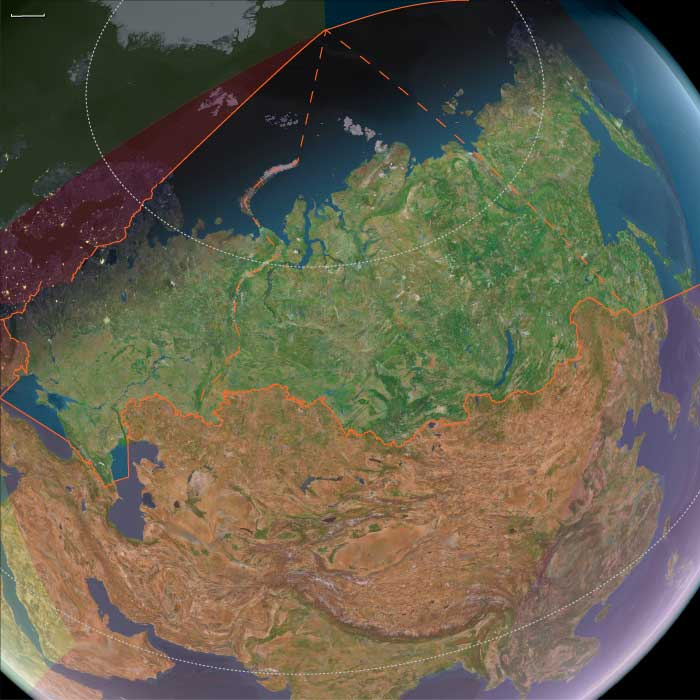
Subregions
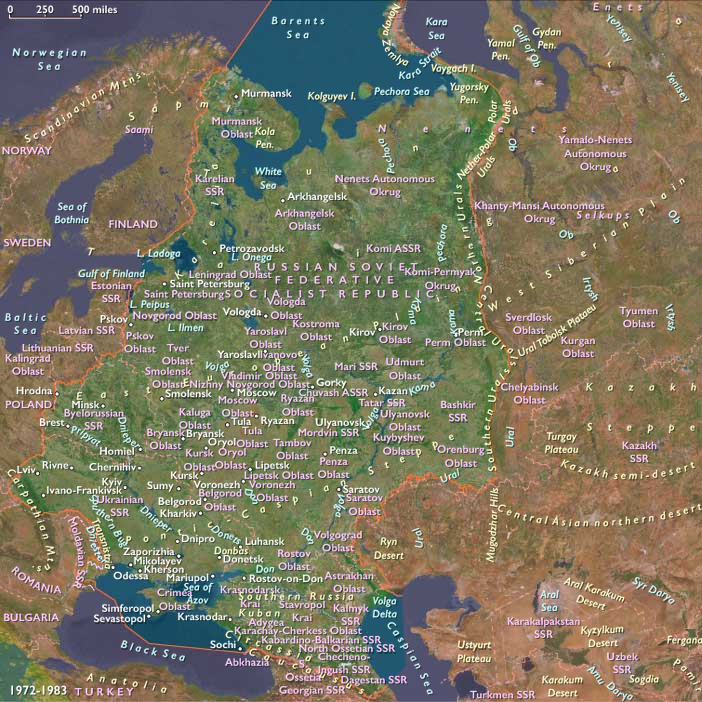
Years: 1972 - 1983
People
Groups
- Russian Orthodox Church
- Union of Soviet Socialist Republics (USSR), or Soviet Union
- Czechoslovakia (restored)
- Warsaw Pact (Treaty of Friendship, Co-operation and Mutual Assistance)
Topics
Commodoties
Subjects
- Commerce
- Writing
- Conflict
- Faith
- Government
- Scholarship
- Custom and Law
- Technology
- Metallurgy
- Aeronautics
Regions
Subregions