East Europe (1924–1935 CE): Soviet Consolidation, Economic …
Years: 1924 - 1935
East Europe (1924–1935 CE): Soviet Consolidation, Economic Transformation, and Cultural Control
Political and Military Developments
Stalin's Rise and Consolidation of Power
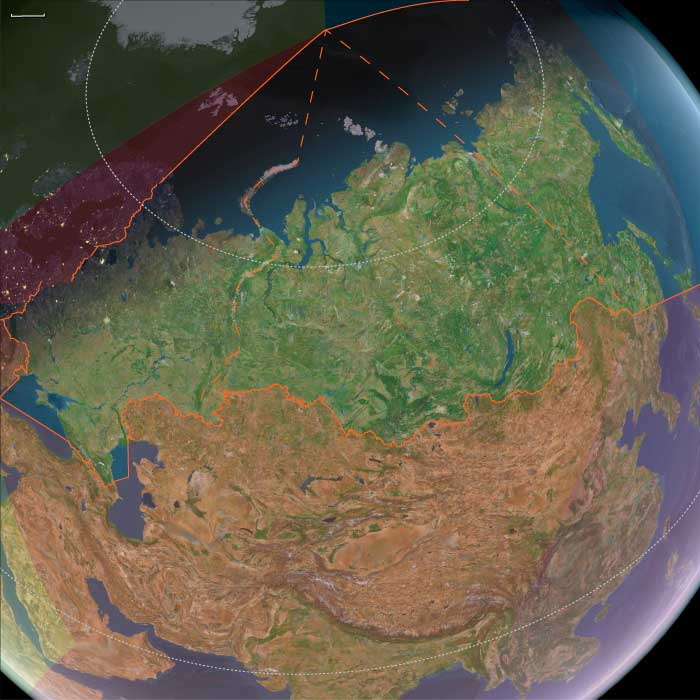
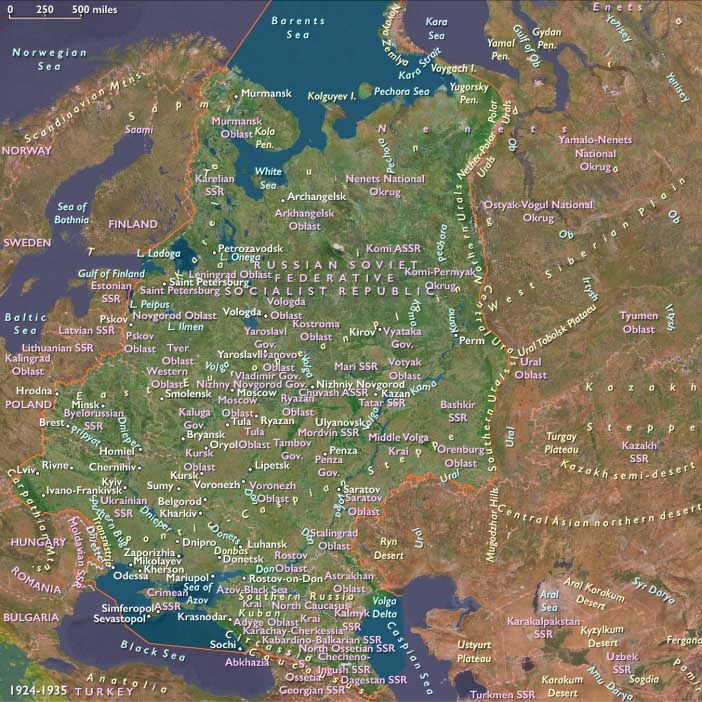
Following Lenin’s death in 1924, Joseph Stalin systematically consolidated power within the Soviet Union, eliminating political rivals and establishing a highly centralized and authoritarian regime. The period saw extensive political purges, heightened state surveillance, and rigid control over societal institutions.
Military Modernization and Strategic Preparedness
Under Stalin, the Soviet military underwent significant modernization, prioritizing industrial output for defense capabilities. This period featured rapid expansion and restructuring of armed forces, fortifications along western borders, and improved military infrastructure.
Economic and Technological Developments
Rapid Industrialization: The Five-Year Plans
The introduction of Stalin's ambitious Five-Year Plans significantly transformed the Soviet economy, emphasizing rapid industrialization and collectivization. Heavy industries, such as steel production, mining, and manufacturing, expanded drastically, reshaping the economic landscape.
Collectivization and Agricultural Reform
Agricultural collectivization was aggressively pursued, forcibly merging small private farms into large collective units (kolkhozes). Although intended to modernize agriculture and increase productivity, the policy led to widespread famine, notably the devastating Holodomor in Ukraine from 1932 to 1933.
Cultural and Artistic Developments
Socialist Realism and State-Controlled Culture
Cultural life came under strict state control, with Socialist Realism mandated as the official artistic doctrine. The regime dictated artistic expression to ensure alignment with ideological objectives, significantly limiting artistic freedom.
Expansion and Control of Education
Educational institutions underwent extensive reorganization, emphasizing ideological conformity, technical training, and literacy campaigns. Education became a critical tool for ideological indoctrination and workforce preparation under Soviet rule.
Settlement Patterns and Urban Development
Urban Expansion and Industrial Cities
Rapid industrialization led to significant urban expansion and the creation of numerous industrial cities and factory towns, such as Magnitogorsk and Novosibirsk. Urban planning prioritized industrial efficiency, often at the expense of residential amenities and environmental considerations.
Strategic Military Infrastructure
Development of strategic infrastructure, including fortifications and defensive installations along the western and eastern borders, accelerated during this era. These projects were crucial to Soviet military strategy and geopolitical security.
Social and Religious Developments
Intensified Social Control and Surveillance
The state intensified social regulation through extensive surveillance, secret police activities, and labor camps (Gulags). Society was tightly controlled, with dissent systematically suppressed and conformity rigidly enforced.
Aggressive Secularization and Anti-Religious Campaigns
The Soviet government aggressively pursued secularization, implementing extensive anti-religious campaigns that targeted the Russian Orthodox Church and other religious institutions. Churches were destroyed or repurposed, clergy persecuted, and religious expression severely curtailed.
Long-Term Consequences and Historical Significance
The period from 1924 to 1935 CE fundamentally reshaped Eastern Europe under Soviet influence, marked by Stalin’s authoritarian consolidation, economic transformation, and harsh social policies. These developments significantly impacted regional stability, socio-economic structures, and cultural life, leaving enduring legacies that defined the region's trajectory for decades to come.
People
Groups
Topics
Commodoties
Subjects
Regions
Subregions
Related Events
Filter results
Showing 10 events out of 7045 total
The new Yugoslav state, the Kingdom of the Serbs, Croats, and Slovenes, is in reality a Greater Serbia, with a centralist constitution that ensures that all important decisions are taken by a government in Belgrade dominated by Serbs.
King Alexander’s proclamation of a royal dictatorship in 1929 and the change of the country’s name to Yugoslavia do not improve the lot of the Croats, Slovenes, and Muslims living within its borders, while Alexander has created a police state that requires military support for survival.
Meanwhile, Albania had seen the consolidation of power under Ahmet Zogu, who makes Albania a kingdom and morphs into Zog I, "King of the Albanians."
The great economic crisis of 1929–32 destroys both internal and external stability in the Balkan states, which, as exporters of primary produce, suffer immediately.
From 1929 to 1933 the value of Albanian imports and exports falls by three-fifths and two-fifths, respectively; the corresponding figures for Bulgaria are three-fourths and more than one-half, for Romania three-fifths and one-half, and for Yugoslavia by about two-thirds for each.
The Great Depression outlines starkly the weakness of an agrarian economy in a world dominated by industrial production.
Fascism is on the rise in the Balkans as well as in Italy, Germany, and Spain.
In Romania, Corneliu Zelea Codreanu’s fascist Legionary Movement, dissolved by government fiat in 1933, reappears as Totul Pentru Tara (Everything for the Fatherland) and flourishes, with some support from King Carol II.
The Ustashe, dedicated to achieving Croatian independence from Yugoslavia, model themselves on the Italian Fascists; a Bulgarian Ustashe agent, who had received assistance from Italy and Hungary, assassinates King Alexander during the course of a state visit to France.
North Polynesia (1924–1935 CE)
Economic Challenges and Adaptation
From 1924 to 1935, North Polynesia, primarily the Territory of Hawaii, encountered significant economic challenges following the global economic downturn of the Great Depression. Sugarcane and pineapple plantations, the backbone of the islands’ economy, faced reduced demand and plummeting prices. To mitigate losses, large plantation enterprises like Dole Food Company diversified production and optimized operations, introducing new agricultural techniques and scaling down employment to maintain viability.
Shifts in Demographics and Labor Relations
Immigration patterns changed significantly during this period, as restrictive immigration policies enacted by the U.S. federal government sharply curtailed the influx of Asian laborers. Nevertheless, the established immigrant communities from Japan, China, the Philippines, Korea, and Portugal continued to solidify their presence, reshaping Hawaii’s demographic and cultural landscape. Despite reductions in contract labor, tensions persisted as laborers increasingly asserted their rights, setting the stage for future activism.
Growth of Labor Movements
Labor activism intensified in response to harsh economic conditions, culminating in several significant strikes, including notable plantation labor actions in the late 1920s and early 1930s. These protests demonstrated heightened class solidarity, with Filipino, Japanese, and Portuguese laborers uniting to demand better wages and working conditions. Though strikes were often suppressed, they contributed substantially to heightened labor awareness and laid the groundwork for lasting labor reforms.
Cultural Renaissance and Hawaiian Identity
This era witnessed an intensified cultural renaissance, as efforts to preserve and revive traditional Hawaiian culture gained momentum. Prominent figures and organizations actively promoted indigenous traditions such as hula, chants, music, and native crafts. Educational initiatives and cultural festivals grew increasingly popular, reinforcing Hawaiian cultural identity in the face of persistent Americanization pressures.
Educational Developments and Cultural Preservation
Educational reforms continued, emphasizing Americanization through English-language instruction while slowly incorporating elements of Hawaiian history and culture. Although English remained dominant, advocates succeeded in introducing Hawaiian culture and history into school curricula, fostering greater cultural awareness and pride among students.
Political Advocacy and the Hawaiian Sovereignty Movement
Political advocacy strengthened significantly, led by Hawaiian and immigrant community leaders who intensified demands for increased political representation and civil rights. This era marked the early stages of what would later evolve into the Hawaiian sovereignty movement, as activists increasingly highlighted issues of disenfranchisement, discrimination, and the need for self-governance and autonomy within the territorial structure.
Public Health Advances
Public health initiatives continued robustly, building upon earlier sanitation and disease-prevention measures. New hospitals and clinics were established, and vaccination programs expanded, notably reducing the incidence of diseases such as tuberculosis and influenza. These health measures improved overall life expectancy and significantly raised living standards across the islands.
Military and Strategic Expansion
The strategic importance of North Polynesia, especially Pearl Harbor, further intensified. The United States significantly expanded naval and military infrastructure, fortifications, and personnel, enhancing its Pacific defense posture. By 1935, Pearl Harbor had evolved into a primary Pacific naval hub, underscoring Hawaii's crucial role in American military strategy.
Urban Growth and Infrastructure Improvement
Urbanization accelerated, especially in Honolulu, which rapidly developed into a modern city. Infrastructure projects, including extensive road paving, electrical grid expansion, water and sewer system enhancements, and public transit improvements, transformed urban life, accommodating the expanding population and burgeoning economic activities.
Conclusion of the Era
Between 1924 and 1935, North Polynesia navigated significant economic turbulence while simultaneously experiencing important social, cultural, and political transformations. The resilience and adaptability demonstrated during this challenging period set the stage for profound developments in the following decades, significantly shaping the trajectory of Hawaii's evolution within the United States.
In Western Australia, the wealth generated from gold had soon disappeared and by the early years of the twentieth century the economy was once again dependent on wool and wheat.
This dependency meant that a dramatic fall in wool and wheat prices in the late 1920s - early 1930s has seen the state's economy collapse.
A short-lived secessionist movement erupts in Western Australia in the 1930s.
Australian artist and writer Norman Lindsay, producing a vast body of work in different media, including pen drawing, etching, watercolor, oil and sculptures in concrete and bronze, shocks the world (and the Bishop of Sydney in particular) with his graphic representations of the nude female form.
Maritime East Asia (1924–1935 CE): Nationalist Struggles, Militarization, and Prelude to War
Between 1924 and 1935 CE, Maritime East Asia—comprising lower Primorsky Krai, the Korean Peninsula, the Japanese Archipelago south of northern Hokkaido, Taiwan, and southern, central, and northeastern China—is marked by escalating nationalist movements, deepening militarization, and intensifying regional rivalries that lay the groundwork for broader conflict. The era witnesses the decline of democratic experiments, the assertion of authoritarian and military powers, and sustained resistance against colonial oppression.
China: Nationalist Unification and Communist Ascendancy
In China, the chaotic Warlord Era gradually gives way to efforts at national reunification led by the Kuomintang (KMT) under Sun Yat-sen and, following Sun's death in 1925, Chiang Kai-shek. Chiang launches the Northern Expedition (1926–1928), successfully defeating major warlords and nominally reunifying China under the KMT government based in Nanjing.
Yet the unity proves fragile. In 1927, Chiang purges Communist elements from the KMT, precipitating a civil conflict between the KMT and the newly formed Chinese Communist Party (CCP) under leaders such as Mao Zedong. This struggle leads to the establishment of rural Communist bases, notably in Jiangxi, culminating in the historic Long March (1934–1935)—an arduous retreat that solidifies Mao’s leadership and defines the CCP's revolutionary identity.
Korea: Intensified Colonial Control and Underground Resistance
Korea endures increasingly severe Japanese rule, characterized by oppressive assimilation policies, forced labor mobilizations, and extensive surveillance. Japanese authorities suppress Korean cultural expression, enforcing Japanese language usage and compulsory Shinto shrine visits.
Nonetheless, underground nationalist activities flourish, with the Provisional Government of the Republic of Korea, now based primarily in China, continuing resistance efforts. Within Korea, clandestine movements and secret societies maintain nationalist sentiment, producing literature and organizing subtle resistance efforts despite harsh Japanese crackdowns.
Japan: Militarization, Imperial Expansion, and Authoritarian Turn
The relatively liberal period known as Taishō Democracy concludes definitively with the beginning of the Shōwa era (1926–1989) under Emperor Hirohito. Japan shifts decisively toward militarism and authoritarian rule, driven by nationalist ideologies and ambitions for regional dominance. Military influence over politics intensifies significantly following economic setbacks caused by the Great Depression starting in 1929, which creates social unrest and political instability.
In 1931, Japan escalates its imperial ambitions with the Mukden Incident, a staged explosion used as pretext to invade and occupy China's northeastern provinces (Manchuria), establishing the puppet state of Manchukuo under nominal rule of the last Qing emperor, Puyi. International condemnation leads Japan to withdraw from the League of Nations in 1933, marking its diplomatic isolation and commitment to aggressive expansion.
Taiwan: Economic Integration and Cultural Suppression
Taiwan remains tightly controlled by Japan, experiencing continued economic growth driven by agricultural exports—particularly sugar and rice—and industrial expansion. The Japanese colonial government deepens infrastructural developments, such as extensive railway networks and improved port facilities, integrating Taiwan further into Japan's imperial economy.
Japanese authorities intensify assimilation policies, actively suppressing indigenous cultures and imposing Japanese identity. Taiwanese nationalism remains subdued but resilient, quietly manifesting through cultural preservation and subtle resistance. Taiwanese intellectuals abroad begin articulating clearer nationalist identities, setting the stage for future political movements.
Legacy of the Era: Seeds of Conflict and Nationalist Resilience
From 1924 to 1935 CE, Maritime East Asia moves steadily toward large-scale regional conflict. China's fragile unification sets the stage for prolonged internal strife between Nationalists and Communists. Korea suffers increasingly oppressive Japanese domination, fueling enduring resistance movements. Japan adopts a militant nationalism, forsaking democratic reforms in favor of authoritarianism and imperial expansion, setting itself on a collision course with international powers. Taiwan's integration into Japan’s empire continues, yet the roots of future nationalist awakenings quietly strengthen. Collectively, these developments set in motion the profound upheavals that will reshape the region and the world in the coming decades.
China’s ch'i-p'ao had developed from the informal Manchu ch'ang-fu, a plain long robe worn by all classes from the emperor down, and by 1930 the majority of women are wearing it.
A close-fitting dress made from one piece of material, the ch'i-p'ao is fastened up the right front side.
It has a high mandarin collar, and its skirt is slit up the sides to the knee.
It is made of traditional Chinese fabrics, padded in winter for warmth.
At first it was a long dress, but the hemline gradually rises to come into line with Western dress.
Under Stalin's leadership, the Soviet government launches a command economy, industrialization of the largely rural country, and collectivization of its agriculture.
During this period of rapid economic and social change, millions of people are sent to penal labor camps, including many political convicts for their suspected or real opposition to Stalin's rule; and millions are deported and exiled to remote areas of the Soviet Union.
The transitional disorganization of the country's agriculture, combined with the harsh state policies and a drought, lead to the Soviet famine of 1932–1933; which kills up to 8.7 million.
The Soviet Union, ultimately, makes the costly transformation from a largely agrarian economy to a major industrial powerhouse within a short span of time.
Northeast Europe (1924–1935 CE): Consolidation of Independence, Democratic Challenges, and Economic Transformation
Between 1924 and 1935 CE, Northeast Europe experienced significant developments marked by the consolidation of national independence, robust cultural and educational progress, evolving democratic practices, and economic modernization. Finland, Estonia, Latvia, and Lithuania navigated complexities of sovereignty and democratic governance amid global economic turmoil. Denmark, Sweden, and Norway advanced further toward stable democracy, welfare reforms, and economic resilience, while Germany's shifting politics under the emerging Nazi regime began influencing regional geopolitical realities.
Finland: Democratic Stability, Economic Modernization, and Nordic Orientation
After recovering from the divisive Civil War of 1918, Finland continued its democratic consolidation, stabilizing politically under a parliamentary republic established by the Constitution of 1919. The presidency of Lauri Kristian Relander (1925–1931) and subsequently Pehr Evind Svinhufvud (1931–1937) exemplified stability, reinforcing Finland’s democratic institutions. Despite lingering political divisions between conservatives, social democrats, and the rural-based Agrarian League, Finland maintained a functioning democracy.
Economically, Finland modernized steadily, with industrialization driven by its robust timber, paper, and pulp industries. Infrastructure improvements—including transportation networks, railway expansions, and port enhancements—facilitated trade and commerce. Finland increasingly oriented economically and culturally toward Scandinavia, laying the foundations for future cooperation.
Estonia and Latvia: Parliamentary Democracy, Economic Reform, and Cultural Flourishing
Estonia and Latvia experienced dynamic parliamentary democracies in the early interwar years. In Estonia, parliamentary politics flourished initially under a constitution fostering democratic participation. Economic reforms, particularly land reform, stimulated agriculture, promoted industrial development, and reinforced urban growth in cities like Tallinn and Tartu. However, the global economic crisis after 1929 triggered political instability and led to the authoritarian regime under Konstantin Päts following a bloodless coup in 1934, intended to stabilize governance.
Latvia similarly experienced dynamic democratic participation initially, with active parliamentary debates shaping national policies. Under President Jānis Čakste (1922–1927) and later Alberts Kviesis (1930–1936), Latvia promoted economic modernization, agrarian reform, and educational expansion. However, as in Estonia, economic pressures and rising nationalist sentiments resulted in democratic backsliding. In 1934, Prime Minister Kārlis Ulmanis established an authoritarian regime, suspending parliament to ensure stability amid economic distress and political fragmentation.
Lithuania: Democratic Challenges and Authoritarian Consolidation
Lithuania navigated difficult democratic processes during this period. Initially a parliamentary republic, Lithuania faced internal political tensions exacerbated by the ongoing territorial dispute with Poland over Vilnius. These pressures culminated in a decisive political shift in 1926 when nationalist forces led by Antanas Smetona established an authoritarian government after a bloodless coup, suspending parliamentary democracy. Under Smetona’s presidency, Lithuania pursued centralized political control, economic development, and extensive cultural and educational initiatives to bolster Lithuanian national identity.
Denmark, Sweden, and Norway: Democratic Stability and Welfare State Foundations
Denmark, Sweden, and Norway continued to demonstrate democratic resilience, expanding their welfare states significantly.
-
Denmark maintained a stable democratic system characterized by coalition governments and robust social welfare policies, particularly during economic hardships following the Great Depression. Major social and educational reforms reinforced national cohesion and stability.
-
Sweden solidified its parliamentary democracy, notably under the governance of the Social Democratic Party led by Per Albin Hansson, who served as Prime Minister from 1932 onwards. The Swedish government implemented comprehensive welfare state reforms, addressing unemployment, education, housing, and public healthcare.
-
Norway similarly reinforced its democratic institutions, continuing to advance social welfare policies and education. Prime Minister Johan Ludwig Mowinckel and his successors oversaw critical economic and social initiatives, further embedding democratic norms and expanding citizens' rights.
These nations’ political and economic stability became a regional hallmark, fostering prosperity and democratic governance.
Economic Transformations and Global Economic Crisis
Throughout Northeast Europe, economic modernization significantly advanced in the 1920s, with industrial growth in timber, shipbuilding, textiles, agriculture, and manufacturing. Infrastructure developments enhanced regional economic integration and facilitated international trade.
The onset of the Great Depression (1929–1933), however, dramatically impacted all nations. Finland, Estonia, Latvia, and Lithuania experienced severe economic downturns, widespread unemployment, and declining exports. These hardships strained democratic governance and catalyzed authoritarian responses, notably in Estonia (Päts), Latvia (Ulmanis), and Lithuania (Smetona). Conversely, Denmark, Sweden, and Norway managed economic distress through comprehensive welfare measures, labor reforms, and social policies, thereby stabilizing their democracies.
Urbanization and Social Developments
Urbanization continued intensively, reshaping demographic and social landscapes. Cities including Helsinki, Tallinn, Riga, Kaunas, Vilnius, Copenhagen, Oslo, and Stockholm experienced rapid growth, fostering middle-class expansion, cultural innovation, and improved standards of living. Urban centers became hubs for modernist architecture, vibrant artistic movements, and progressive social policies, influencing broader national identities.
Rise of Nationalist Movements and Authoritarian Trends
Economic hardships and national insecurities after the Great Depression intensified nationalist movements, particularly in Estonia, Latvia, and Lithuania, contributing directly to authoritarian shifts. Leaders like Päts, Ulmanis, and Smetona justified authoritarian governance as stabilizing responses to economic instability and political fragmentation. This trend reflected broader European movements towards authoritarianism during economic crisis periods.
Germany's Regional Influence under Nazism
The rise of the Nazi Party and Adolf Hitler’s ascension to power in Germany (1933) significantly impacted Northeast Europe. Germany’s economic recovery and assertive foreign policy under Nazism affected trade relations, regional diplomacy, and security considerations. Baltic states increasingly felt pressure from Germany's expansive geopolitical ambitions. Simultaneously, Finland cautiously navigated relations, mindful of potential German economic opportunities and Soviet threats.
Cultural and Educational Flourishing
Despite political challenges, Northeast Europe's cultural and intellectual life flourished remarkably. Finland reinforced its cultural identity through music, literature, and educational advancements, symbolized by composer Jean Sibelius, whose symphonic compositions became national treasures. Estonia, Latvia, and Lithuania expanded national education systems, promoting native languages, history, and culture, further embedding distinct national identities.
Scandinavian countries, especially Sweden and Denmark, contributed significantly to European cultural trends, particularly modernist literature, art, design, and social thought, bolstered by flourishing educational and cultural institutions.
Diplomatic Alignments and Regional Cooperation
During this era, diplomatic alignments intensified as geopolitical tensions rose. Finland, Estonia, Latvia, and Lithuania sought security through diplomatic initiatives, cautiously balancing relations with Germany and the Soviet Union. Simultaneously, inter-Scandinavian cooperation strengthened significantly, marked by increased diplomatic collaboration, cultural exchanges, and economic agreements among Denmark, Sweden, and Norway.
Legacy of the Era
The period 1924–1935 CE critically shaped Northeast Europe’s historical trajectory, characterized by national consolidations, democratic challenges, and economic transformations. Finland maintained democratic institutions despite global economic pressures. Estonia, Latvia, and Lithuania transitioned from vibrant parliamentary democracies to authoritarian regimes amid intense economic and political instability. Denmark, Sweden, and Norway emerged as exemplary stable democracies, laying robust foundations for future welfare states.
Collectively, these developments significantly influenced Northeast Europe’s political landscapes, social structures, cultural identities, and diplomatic relations, setting the stage for future challenges in the volatile decade leading toward the Second World War.

East Central Europe (1924–1935 CE): Economic Recovery, Democratic Challenges, and Rising Authoritarianism
Between 1924 and 1935, East Central Europe—encompassing modern-day Poland, Czechia, Slovakia, Hungary, and eastern Germany and Austria east of 10°E and northeast of the defined boundary—experienced a complex interplay of economic recovery, fragile democratic governance, escalating nationalist tensions, and rising authoritarian movements. Although this era began with relative stability and optimism following post-war reconstruction, it ultimately witnessed growing polarization and instability, laying the foundation for future upheavals.
Political and Military Developments
Stabilization and Democratic Fragility
-
Czechoslovakia, under President Tomáš Masaryk (1918–1935), remained the region's most stable democracy, though ethnic tensions, especially between Czechs and Germans, persisted.
-
Poland, initially democratic, moved toward authoritarianism under Józef Piłsudski after his May Coup in 1926, establishing a more centralized, semi-authoritarian regime known as "Sanacja."
Weimar Republic and East Central Germany
-
Eastern German regions experienced economic and political fluctuations, with the democratic Weimar Republic facing instability, hyperinflation, and rising extremist movements. By the early 1930s, East Germany became increasingly vulnerable to right-wing nationalism and Nazi ideology.
Austria’s Interwar Turmoil
-
The First Austrian Republic struggled politically, economically, and socially, witnessing polarization between socialist (Red Vienna) and conservative-nationalist factions. In 1934, Chancellor Engelbert Dollfuss established the authoritarian Austrofascist regime, suppressing socialist and democratic opposition.
Hungarian Authoritarian Consolidation
-
Hungary, deeply impacted by the Treaty of Trianon, gravitated toward conservative authoritarianism under Miklós Horthy, reinforcing nationalist resentment over territorial losses and cultivating revisionist ambitions
Rise of Hitler and Establishment of the Third Reich (1933)
In January 1933, Adolf Hitler was appointed Chancellor of Germany, marking the swift collapse of the Weimar Republic and the establishment of the authoritarian, totalitarian Nazi regime known as the Third Reich. This seismic political shift dramatically reshaped East Central Europe, fueling ultranationalist and fascist movements in neighboring Austria, Hungary, Czechoslovakia, and Poland, while intensifying fears of territorial revisionism, ethnic nationalism, and future military conflict.
Germany rapidly militarized under Nazi control, openly challenging post-World War I boundaries and treaties
Economic and Technological Developments
Economic Stabilization and Growth (1924–1929)
-
The period from 1924 to 1929 witnessed considerable economic stabilization across the region, driven by increased industrial output, improved infrastructure, and agricultural reforms.
-
East Central Europe benefited from international loans (notably the Dawes Plan, 1924, and the Young Plan, 1929), facilitating economic recovery and integration into broader European markets.
Great Depression and Economic Crisis (1929–1935)
-
The global economic crisis of 1929 severely impacted East Central Europe, causing widespread unemployment, industrial decline, and social unrest. Germany, Austria, and Hungary faced economic collapse, fueling political extremism.
-
Poland and Czechoslovakia also suffered significant downturns, exacerbating social inequalities and political tensions.
Cultural and Artistic Developments
Flourishing Interwar Culture
-
Despite political uncertainties, the region experienced a vibrant cultural renaissance. Major urban centers—Berlin, Vienna, Prague, Budapest, Kraków, and Warsaw—thrived as cultural hubs, producing influential literary, artistic, musical, and theatrical movements.
-
Modernist and avant-garde trends, including Expressionism, Surrealism, and Bauhaus architecture, continued to influence regional art and culture profoundly.
Settlement and Urban Development
Urban Modernization and Infrastructure Expansion
-
Cities across East Central Europe expanded and modernized significantly. Urban planning initiatives introduced modern housing, transportation networks, public amenities, and cultural facilities, notably in Prague, Warsaw, and Vienna.
-
Major infrastructure projects improved connectivity, facilitating economic integration and urban growth, despite later setbacks due to the Great Depression.
Social and Religious Developments
Social Polarization and Radicalization
-
The economic hardships intensified social polarization, with working-class and peasant populations increasingly embracing radical leftist or right-wing nationalist ideologies. Communist and socialist movements gained ground but faced fierce opposition and repression.
-
In Germany, Austria, and Hungary, right-wing nationalist, fascist, and antisemitic movements found growing support amid social frustration.
Religious Institutions and National Identity
-
Religious institutions—particularly the Catholic Church—played critical roles in shaping national and social identities, often aligning with conservative and nationalist forces. Religious communities provided significant social services amid the economic crisis but sometimes reinforced ethnic and religious divides.
Long-Term Consequences and Historical Significance
The era from 1924 to 1935 marked East Central Europe's crucial transitional period from relative post-war stabilization to escalating instability and radicalization. Economic growth and cultural vibrancy initially promised regional prosperity but were sharply curtailed by the Great Depression, accelerating the region's slide toward political extremism and authoritarianism. Fragile democracies in Poland, Germany, Austria, and Hungary increasingly succumbed to authoritarian regimes or extremist movements. Czechoslovakia remained a precarious democratic holdout. These complex transformations set the stage for profound crises, nationalism, and conflict in the subsequent era, ultimately leading to catastrophic outcomes in World War II.
Eastern Southeast Europe (1924–1935 CE): Political Turmoil, Economic Challenges, and Rising Authoritarianism
Political Developments and National Transformations
Yugoslavia: Centralization and Royal Dictatorship
In the Kingdom of Yugoslavia, internal tensions among ethnic groups intensified under the centralizing policies of King Alexander I Karađorđević. In 1929, Alexander abolished the constitution, dissolved political parties, and established a royal dictatorship to curb nationalist and separatist movements. Yugoslavia was reorganized administratively into banovinas (provinces), disregarding ethnic boundaries, in an attempt to suppress regional identities and foster Yugoslav unity. These measures, however, heightened ethnic tensions, particularly among Croats and Macedonians, culminating in Alexander's assassination by a Macedonian revolutionary in Marseille in 1934.
Romania: Political Instability and Rise of Authoritarianism
Romania experienced considerable political instability marked by frequent changes of government and economic crises. King Carol II, who returned from exile in 1930, gradually consolidated power by weakening parliamentary democracy and suppressing political opposition. Amid growing nationalist sentiments, the fascist-inspired Iron Guard, founded by Corneliu Zelea Codreanu, gained substantial popular support, contributing to a tense and volatile political environment.
Bulgaria: Political Repression and Authoritarian Rule
In Bulgaria, political instability culminated in the 1923 coup that established the authoritarian regime of Aleksandar Tsankov. Tsankov’s government brutally suppressed communist and agrarian opposition, notably crushing the September Uprising of 1923. Following political turmoil and a brief period of parliamentary democracy under the Agrarian leader Aleksandar Stamboliyski, Bulgaria experienced increasing authoritarianism, leading to the establishment of a royal dictatorship under Tsar Boris III in 1935.
Economic and Social Challenges
Economic Depression and Rural Hardship
The global economic depression of the late 1920s and early 1930s severely impacted Eastern Southeast Europe, exacerbating poverty, unemployment, and social unrest. In Romania and Bulgaria, rural areas suffered the most, as agricultural prices collapsed and peasants faced growing debts and land insecurity. Economic hardship fueled migration to urban areas, increased political radicalization, and intensified demands for land reform.
Industrialization and Economic Nationalism
Despite economic difficulties, Romania continued its industrial expansion, notably in petroleum production, which became a critical resource for both domestic use and export. Bulgaria pursued economic nationalism by implementing protectionist policies, promoting industrial self-sufficiency, and reducing dependence on foreign capital. These policies, however, often resulted in inefficient industries, corruption, and limited economic growth.
Ethnic and Cultural Dynamics
Ethnic Conflicts and Minority Issues
Ethnic tensions persisted throughout the region, exacerbated by nationalist policies and forced assimilation efforts. In Yugoslavia, Croat dissatisfaction grew under Serbian dominance, leading to the rise of the separatist Ustaše movement. Romania faced persistent tensions with its Hungarian and Jewish minorities, exacerbated by nationalist rhetoric and discriminatory policies. Bulgaria continued to advocate for Macedonian territories under Yugoslav and Greek control, maintaining regional instability and nationalist fervor.
Cultural and Intellectual Developments
Cultural and intellectual life in the region reflected broader European trends of modernism and nationalism. Literature, art, and intellectual debate flourished despite political repression, with significant cultural centers emerging in Belgrade, Sofia, and Bucharest. This cultural vibrancy occurred alongside state efforts to control public discourse and promote national ideologies, creating a complex environment of creativity and censorship.
International Relations and Geopolitical Realignments
Alliances and Diplomatic Maneuvers
During this era, Eastern Southeast European states navigated complex diplomatic relationships, balancing ties with Western European powers, the Soviet Union, and Germany. Romania increasingly aligned itself with France and Britain, seeking protection against regional threats, particularly from the Soviet Union and Hungary. Yugoslavia pursued a policy of neutrality and attempted to build regional alliances, notably through the Balkan Pact of 1934, which included Romania, Greece, and Turkey.
Rising German and Italian Influence
Germany and Italy expanded their economic and political influence in the region, capitalizing on local political instability and economic desperation. German investments significantly impacted Romania’s oil industry, while Bulgaria and Yugoslavia saw increased German and Italian economic involvement, laying the groundwork for future strategic alliances and dependency.
Key Historical Developments (1924–1935)
-
Establishment of royal dictatorships in Yugoslavia (1929) and Bulgaria (1935).
-
Political instability in Romania leading to the rise of authoritarianism under King Carol II.
-
Severe economic hardship exacerbated by the global Great Depression.
-
Growing ethnic tensions and nationalist movements, notably the rise of the Croatian Ustaše and Romania’s Iron Guard.
-
Increasing influence of Germany and Italy in regional affairs.
Long-Term Consequences and Historical Significance
This period of political upheaval, economic hardship, and rising authoritarianism profoundly shaped Eastern Southeast Europe's trajectory, setting the stage for the region's entanglement in broader European conflicts. Nationalist tensions, unresolved ethnic disputes, and economic vulnerabilities deepened, making the region particularly susceptible to fascist ideologies and external manipulation in the decades that followed.