
East Europe (1768–1779 CE): Military Triumphs and …
Years: 1768 - 1779
East Europe (1768–1779 CE): Military Triumphs and Enlightened Administration
Political and Military Developments
Expansion Through Military Success
Between 1768 and 1779 CE, Russia experienced significant military successes, notably in the Russo-Turkish War (1768–1774). These victories resulted in territorial expansions into the Black Sea region, significantly enhancing Russia’s strategic position and geopolitical influence.
Administrative Reforms and Enlightenment Ideals
The era saw continued administrative reforms inspired by Enlightenment principles, promoting efficiency, rational governance, and centralized authority. These reforms facilitated effective management of newly acquired territories and the integration of diverse populations.
Active Diplomatic Engagements
Russia’s diplomatic engagements expanded, securing influential alliances and agreements with European powers. Successful diplomacy bolstered Russia's standing in continental politics and strengthened its international position.
Economic and Technological Developments
Continued Economic Prosperity
Economic growth remained robust, driven by ongoing industrialization, agricultural advancements, and expanding trade networks. Economic prosperity supported military expenditures, infrastructure projects, and cultural patronage.
Infrastructure and Technological Advancements
Significant investments continued in transportation and urban infrastructure, enhancing connectivity and administrative efficiency. Advances in military technology and fortifications improved defense capabilities, reinforcing territorial security.
Cultural and Artistic Developments
Flourishing Cultural Life
Cultural patronage by the Russian elite thrived, fostering significant advancements in architecture, the arts, and literature. Continued European influence enriched cultural expressions and contributed to Russia's cultural sophistication.
Intellectual Growth and Education
The intellectual landscape expanded further, marked by increased academic activity and the establishment of new educational institutions. Scholarly exchanges with Europe encouraged intellectual innovation and cultural enrichment.
Settlement Patterns and Urban Development
Urban Expansion and Modernization
Urban centers, notably Saint Petersburg and Moscow, continued their rapid expansion, supported by strategic urban planning and improved infrastructure. These developments greatly enhanced urban livability, economic activity, and administrative capabilities.
Strategic Defense Enhancements
Improvements in urban and regional fortifications ensured robust defenses against external threats, contributing significantly to regional stability and security.
Social and Religious Developments
Strengthening Social Cohesion
Social integration and stability improved further, aided by inclusive policies accommodating diverse ethnic and regional groups. Enlightenment ideals continued to shape societal reforms, enhancing cohesion and administrative effectiveness.
Continued Evolution of Church-State Relations
Relations between the state and the Orthodox Church continued to evolve, marked by ongoing reforms aligning religious institutions with state interests. These adjustments reshaped the Church's societal role, supporting broader governmental objectives.
Long-Term Consequences and Historical Significance
The period from 1768 to 1779 CE witnessed significant military achievements, enlightened governance reforms, and continued cultural flourishing. These developments enhanced Russia’s international status and solidified foundational structures critical for future stability and imperial expansion.
Groups
Topics
Commodoties
Subjects
Regions
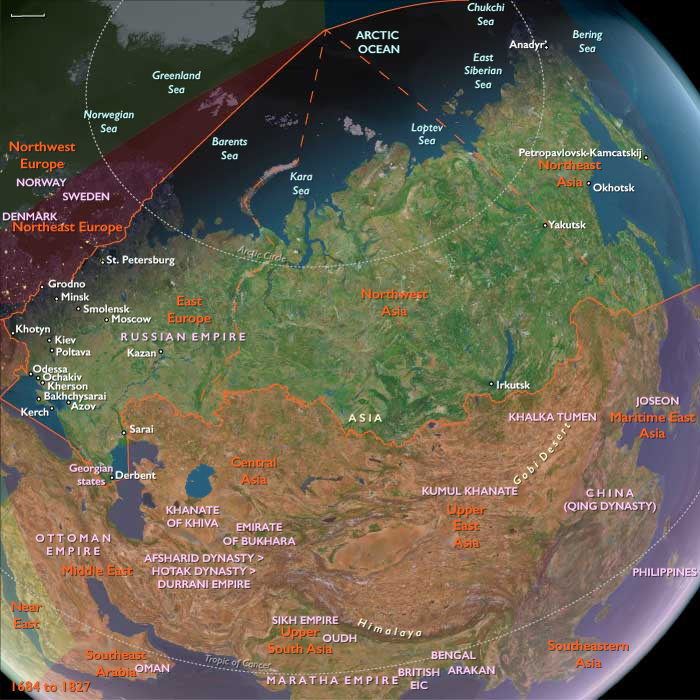
Subregions
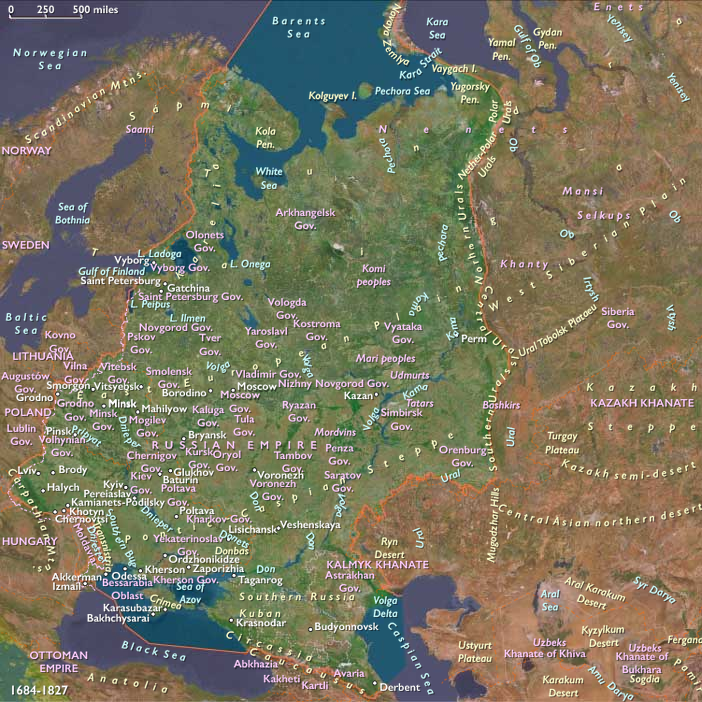
Years: 1768 - 1779
Groups
Topics
Commodoties
Subjects
Regions
Subregions