
East Europe (1708–1719 CE): Military Triumphs and …
Years: 1708 - 1719
East Europe (1708–1719 CE): Military Triumphs and Institutional Reforms
Political and Military Developments
Victory in the Great Northern War
From 1708 to 1719 CE, Peter the Great achieved decisive victories in the Great Northern War, most notably the Battle of Poltava in 1709. This pivotal victory dramatically shifted the balance of power in favor of Russia, significantly diminishing Sweden's regional dominance.
Expansion and Administrative Reforms
Peter intensified administrative reforms, further centralizing government functions and introducing new bureaucratic institutions. These measures streamlined governance, improved efficiency, and solidified state control over vast territories.
Diplomatic Achievements
Diplomatic relations with European powers expanded and strengthened, with Russia increasingly recognized as a major European state. Strategic alliances were reinforced, aiding Russia's diplomatic leverage across the continent.
Economic and Technological Developments
Economic Expansion and Industrial Growth
Economic modernization advanced, highlighted by substantial growth in manufacturing, particularly in metallurgy, shipbuilding, and textile industries. Enhanced trade networks facilitated further economic prosperity.
Military and Technological Innovations
Continued military reforms and technological advancements, including improved artillery and naval capacities, significantly boosted Russia's military effectiveness. Robust fortifications and strategic infrastructure upgrades secured territorial holdings.
Cultural and Artistic Developments
Flourishing Westernization
The westernization of Russian culture deepened, with significant architectural projects and artistic endeavors reflecting European influences. Cultural patronage under Peter promoted sophisticated European-style developments.
Intellectual Vibrancy and Scholarship
Intellectual and literary activities flourished, reflecting deeper engagement with European Enlightenment ideas. Academic institutions expanded, and scholarly production grew significantly, enriching Russia’s intellectual and cultural landscape.
Settlement Patterns and Urban Development
Urban Expansion and Development
Urban growth accelerated, particularly in Saint Petersburg, Peter's strategically planned capital, which rapidly became a major political, economic, and cultural center. Infrastructure improvements and urban planning projects expanded significantly.
Strategic Fortification and Infrastructure
Continuous enhancement of urban and territorial fortifications strengthened regional security, reflecting Russia’s growing military and administrative sophistication.
Social and Religious Developments
Social Structure and Integration
Social reforms intensified, promoting greater integration and Westernization of societal structures. Efforts continued to incorporate diverse ethnic and regional groups, enhancing overall cohesion and administrative unity.
Reformation of the Orthodox Church
The Orthodox Church experienced further state-led reforms aimed at aligning religious institutions closely with state objectives. This restructuring significantly reshaped its societal role and institutional influence.
Long-Term Consequences and Historical Significance
The era from 1708 to 1719 CE represented a critical phase in Russia's ascent as a European power, driven by military victories, administrative centralization, economic growth, and deepening cultural transformation. These developments had enduring impacts on Russia's future trajectory, shaping its modern political, economic, and cultural identity.
People
Groups
- Christians, Eastern Orthodox
- Sweden, (second) Kingdom of
- Denmark-Norway, Kingdom of
- Russia, Tsardom of
- Polish-Lithuanian Commonwealth (Commonwealth of the Two Nations)
Topics
Subjects
Regions
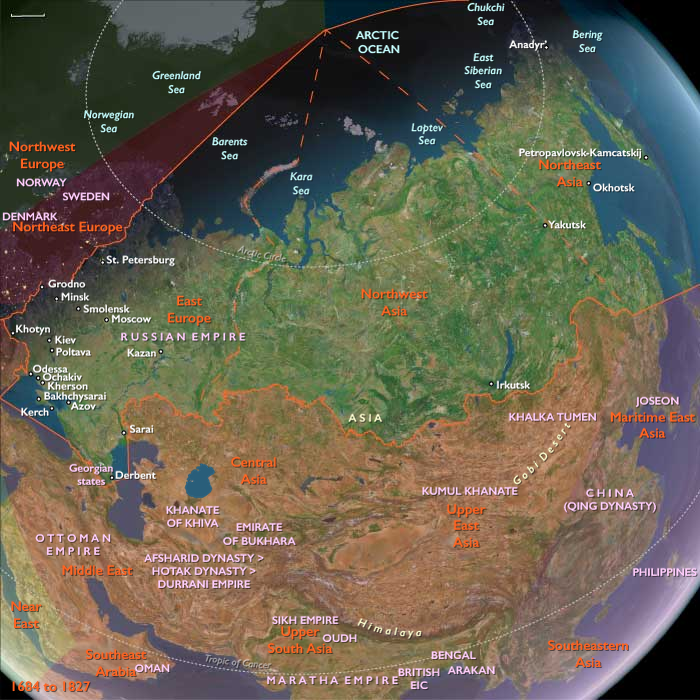
Subregions
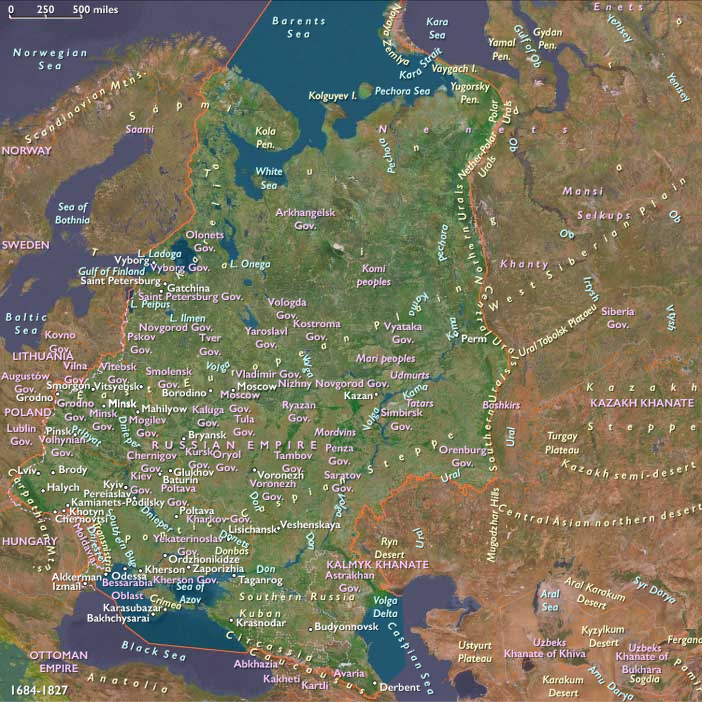
Related Events
Showing 10 events out of 28695 total
Years: 1708 - 1719
People
Groups
- Christians, Eastern Orthodox
- Sweden, (second) Kingdom of
- Denmark-Norway, Kingdom of
- Russia, Tsardom of
- Polish-Lithuanian Commonwealth (Commonwealth of the Two Nations)
Topics
Subjects
Regions
Subregions