
East Europe (1696–1707 CE): Consolidation of Reforms …
Years: 1696 - 1707
East Europe (1696–1707 CE): Consolidation of Reforms and Territorial Expansion
Political and Military Developments
Continued Leadership of Peter the Great
From 1696 to 1707 CE, Peter the Great solidified his leadership, implementing profound political, military, and social reforms designed to modernize Russia. His centralization efforts strengthened administrative control and further reinforced state authority.
The Great Northern War and Territorial Gains
During this period, Russia became actively involved in the early phases of the Great Northern War against Sweden (1700–1721). Initial victories and strategic maneuvers significantly expanded Russia’s influence and territorial holdings in the Baltic region.
Diplomatic Realignment and International Alliances
Peter maintained strategic alliances, particularly with Denmark and Poland-Lithuania, against Sweden. His diplomatic skills advanced Russia’s status on the European stage, positioning it as an emerging power.
Economic and Technological Developments
Economic Reforms and Expansion
Peter further advanced economic modernization, promoting industrial growth, enhanced trade networks, and introducing progressive economic policies. These reforms facilitated greater integration with Western European economies.
Military and Technological Innovations
Significant developments continued in military organization, naval expansion, and fortifications. Technological advancements included improved weaponry, shipbuilding techniques, and fortification strategies, essential for military successes.
Cultural and Artistic Developments
Westernization of Russian Culture
Peter’s era saw deeper integration of Western European influences into Russian cultural life. New architectural styles flourished, and European artistic and educational trends were actively promoted, significantly reshaping cultural norms.
Intellectual Expansion and Literary Activity
The period witnessed growing intellectual vibrancy, with an increased flow of ideas from Europe. Literary production expanded, incorporating new Western-inspired themes and formats, enriching Russia’s intellectual landscape.
Settlement Patterns and Urban Development
Rapid Urban Growth and Modernization
Cities, particularly Saint Petersburg, newly established in 1703, underwent rapid growth and modernization, reflecting Peter’s strategic vision. Moscow and other urban centers similarly expanded, benefiting from improved infrastructure and planning.
Strategic Fortification Enhancements
Urban and territorial fortifications were continually improved, ensuring robust defensive capabilities and providing security against external threats during ongoing military campaigns.
Social and Religious Developments
Social Reforms and Integration
Social structures continued evolving under Peter’s reforms, increasingly influenced by Western European models. Efforts toward integration and administrative inclusion of diverse ethnic groups persisted, promoting societal harmony and cohesion.
Orthodox Church under State Control
The relationship between the Orthodox Church and state continued shifting towards greater state oversight. Peter’s reforms sought to align religious institutions with state goals, altering the Church’s traditional role significantly.
Long-Term Consequences and Historical Significance
The period from 1696 to 1707 CE marked further consolidation of Peter the Great’s transformative reforms and substantial territorial expansion. These developments solidified Russia’s emergence as a significant European power, profoundly impacting its future political, economic, and cultural trajectory.den
People
Groups
- Christians, Eastern Orthodox
- Sweden, (second) Kingdom of
- Denmark-Norway, Kingdom of
- Russia, Tsardom of
- Polish-Lithuanian Commonwealth (Commonwealth of the Two Nations)
Topics
Subjects
Regions
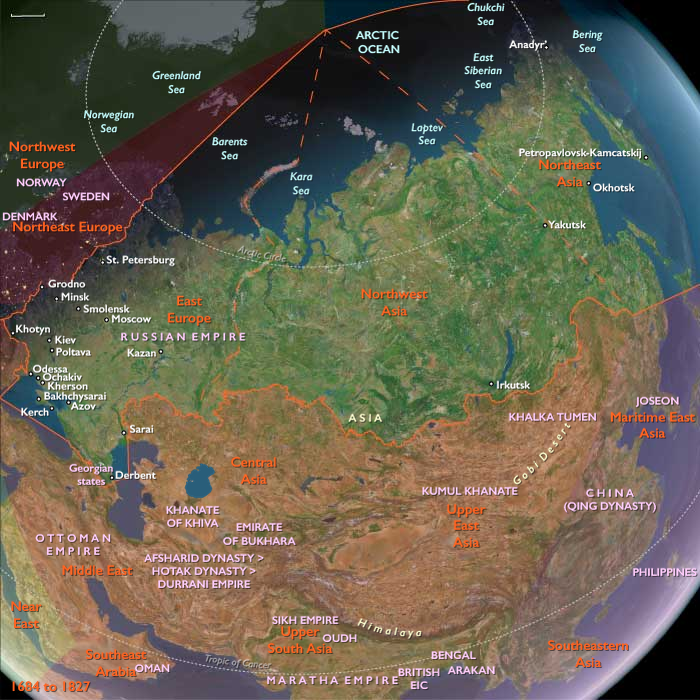
Subregions
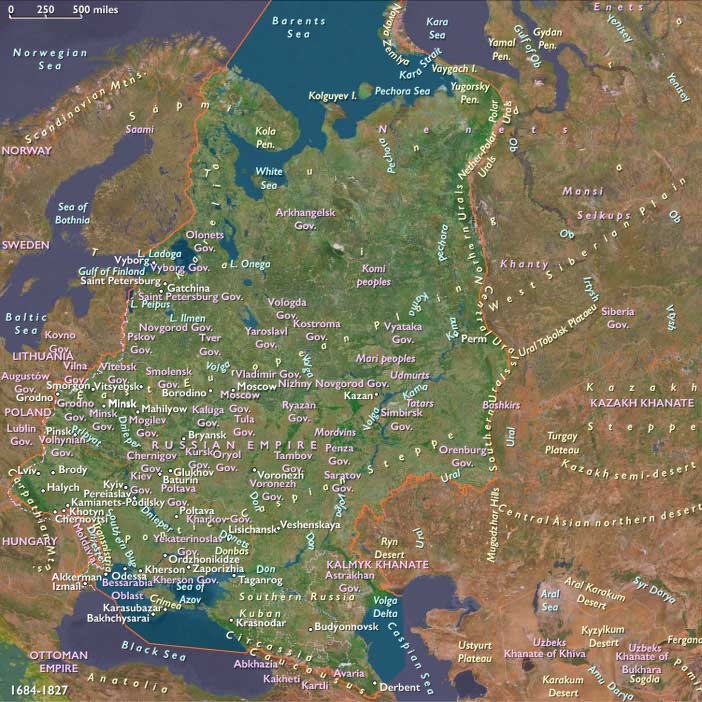
Years: 1696 - 1707
People
Groups
- Christians, Eastern Orthodox
- Sweden, (second) Kingdom of
- Denmark-Norway, Kingdom of
- Russia, Tsardom of
- Polish-Lithuanian Commonwealth (Commonwealth of the Two Nations)
Topics
Subjects
Regions
Subregions