
East Europe (1636–1647 CE): Romanov Stability and …
Years: 1636 - 1647
East Europe (1636–1647 CE): Romanov Stability and Emerging Challenges
Political and Military Developments
Continued Centralization under the Romanovs
Between 1636 and 1647 CE, Muscovy continued to solidify political centralization under the Romanov dynasty. Administrative reforms further streamlined governance, reinforcing Tsar Michael Romanov’s control and fostering political stability.
Diplomatic Maneuvering and Foreign Policy
Muscovy's diplomatic relations remained carefully balanced, especially with neighbors such as Poland-Lithuania and Sweden. Diplomatic skill and strategic alliances kept regional tensions manageable, though challenges persisted.
Strengthening Military Capabilities
Efforts persisted to enhance military capabilities and fortifications, crucial for maintaining territorial integrity and regional security. Advances in military technology and tactics improved Muscovy's defensive preparedness.
Economic and Technological Developments
Economic Expansion and Stability
Economic growth continued steadily, with prosperous trade and expanding urban markets. Increased trade activity, particularly along major routes, supported economic resilience and urban prosperity.
Technological Progress and Infrastructure
Technological advancements persisted, notably in urban infrastructure and military fortifications. Improved transportation networks and fortified cities strengthened trade security and regional stability.
Cultural and Artistic Developments
Flourishing Cultural Expressions
Cultural patronage by the Romanovs remained robust, promoting significant developments in architecture, religious art, and secular culture. This period further enhanced Muscovy’s distinct cultural heritage.
Intellectual and Literary Activity
Scholarly and literary endeavors continued vigorously, with chroniclers and intellectuals actively recording political events, social changes, and cultural achievements, enriching Muscovy's historical legacy.
Settlement Patterns and Urban Development
Sustained Urban Growth
Cities experienced ongoing expansion, driven by strategic urban planning and infrastructural improvements. Moscow and other key urban centers benefited significantly from demographic growth and economic activity.
Reinforcement of Urban Defenses
Fortification improvements continued, ensuring robust urban defenses and regional security. Strategic fortifications played a critical role in protecting urban centers from potential external and internal threats.
Social and Religious Developments
Social Cohesion and Stability
Social cohesion strengthened further, facilitated by administrative reforms and inclusive policies aimed at integrating diverse ethnic communities into broader Muscovite society.
Continued Influence of the Orthodox Church
The Orthodox Church maintained its influential role, significantly shaping educational standards, community cohesion, and moral values, thereby contributing to overall societal stability and cultural continuity.
Long-Term Consequences and Historical Significance
The era from 1636 to 1647 CE marked sustained political centralization, economic prosperity, and cultural achievements under the Romanovs. These developments set the stage for future challenges and opportunities, reinforcing the foundations of the evolving Russian state.
People
Groups
- Christians, Eastern Orthodox
- Moscow, Grand Principality of
- Crimean Khanate
- Sweden, (second) Kingdom of
- Polish-Lithuanian Commonwealth (Commonwealth of the Two Nations)
Topics
Subjects
Regions
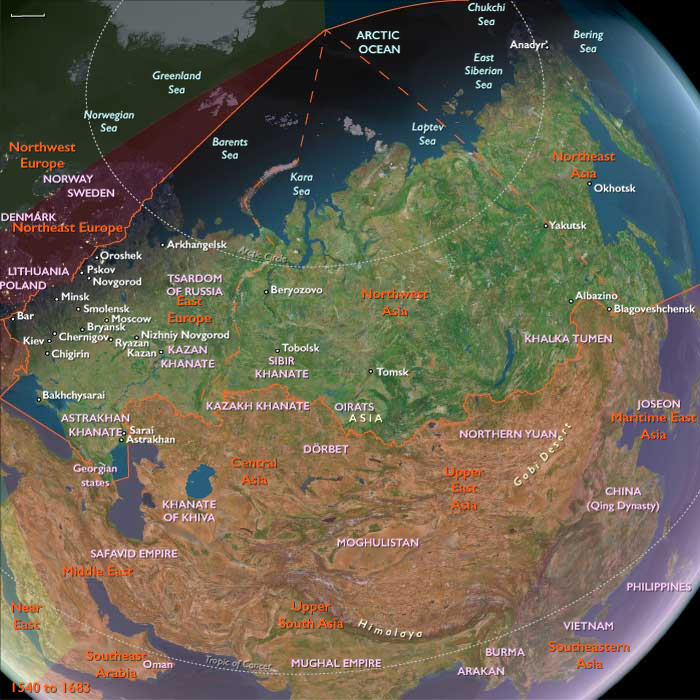
Subregions
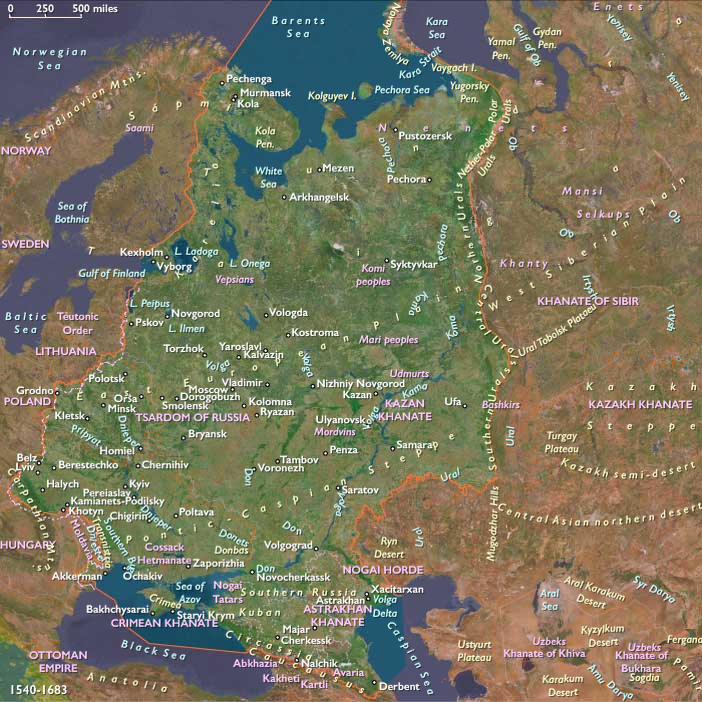
Related Events
Showing 10 events out of 32410 total
Years: 1636 - 1647
People
Groups
- Christians, Eastern Orthodox
- Moscow, Grand Principality of
- Crimean Khanate
- Sweden, (second) Kingdom of
- Polish-Lithuanian Commonwealth (Commonwealth of the Two Nations)
Topics
Subjects
Regions
Subregions