
East Europe (1612–1623 CE): Restoration of Stability …
Years: 1612 - 1623
East Europe (1612–1623 CE): Restoration of Stability and the Romanov Ascendancy
Political and Military Developments
End of the Time of Troubles
From 1612 to 1623 CE, Muscovy emerged from the chaotic "Time of Troubles," marked by the expulsion of foreign forces and restoration efforts by national militia led by Dmitry Pozharsky and Kuzma Minin. The political crisis gradually subsided, paving the way for renewed stability.
Ascension of the Romanov Dynasty
In 1613, the Zemsky Sobor (Assembly of the Land) elected Michael Romanov as tsar, establishing the Romanov dynasty. This event marked a significant turning point, ushering in an era of political stabilization, administrative reforms, and central authority reinforcement.
Territorial Management and Security
Muscovy strengthened its military defenses and administrative controls over regions destabilized during previous conflicts. Security measures were enhanced, and diplomatic relations with neighboring states, especially Poland-Lithuania and Sweden, were cautiously managed to avoid further conflicts.
Economic and Technological Developments
Economic Recovery and Trade Revival
Economic conditions improved significantly as stability returned. Trade routes reopened, and commerce revitalized urban economies, notably in Moscow and other significant trade hubs. Efforts were made to rehabilitate agricultural productivity and infrastructure.
Military and Infrastructure Innovations
Technological advancements, particularly in military fortifications and infrastructure, continued to enhance regional security and territorial control. Military tactics and siege capabilities were refined to prevent future instability.
Cultural and Artistic Developments
Cultural Revival and Patronage
Cultural activities regained momentum, benefiting from renewed royal and aristocratic patronage. Architectural projects flourished, and religious and secular arts experienced a resurgence, contributing to Muscovy’s renewed cultural vitality.
Intellectual and Literary Productivity
Intellectual activities, including chronicling and scholarly documentation, flourished during this recovery period. These endeavors recorded and analyzed political and social developments, reinforcing historical identity and cultural continuity.
Settlement Patterns and Urban Development
Urban Regeneration and Expansion
Cities, particularly Moscow, underwent significant regeneration and expansion, supported by strategic urban planning and improved infrastructure. Population growth resumed, and administrative effectiveness improved.
Strengthening Urban Fortifications
Efforts continued to strengthen and expand urban fortifications, providing robust security and stability essential for urban recovery and growth.
Social and Religious Developments
Restoring Social Cohesion
Societal cohesion steadily improved as political stability returned. Integration of diverse ethnic groups continued, facilitating administrative effectiveness and social harmony.
Orthodox Church’s Role in Rebuilding
The Orthodox Church played a critical role in rebuilding efforts, guiding moral recovery, supporting educational initiatives, and strengthening community structures, significantly aiding societal stability and cultural restoration.
Long-Term Consequences and Historical Significance
The era from 1612 to 1623 CE represented a significant recovery period for Muscovy, marked by the establishment of the Romanov dynasty and renewed political and social stability. These developments laid essential foundations for future territorial expansion, administrative reforms, and cultural flourishing in Russia.
People
Groups
- Christians, Eastern Orthodox
- Moscow, Grand Principality of
- Crimean Khanate
- Sweden, (second) Kingdom of
- Polish-Lithuanian Commonwealth (Commonwealth of the Two Nations)
Topics
Subjects
Regions
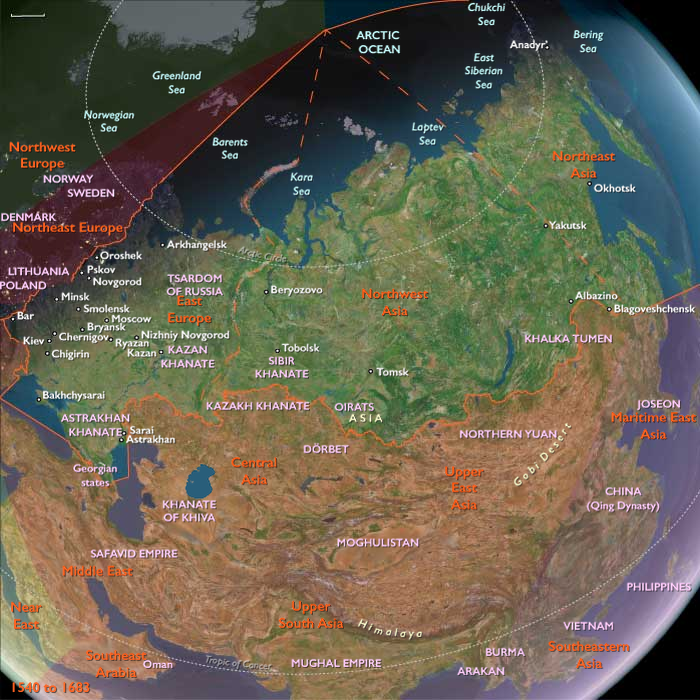
Subregions
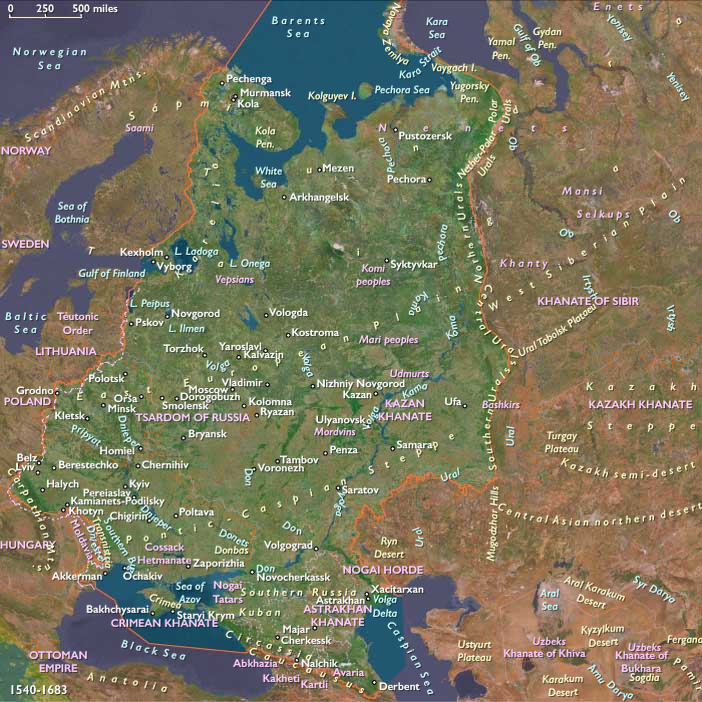
Related Events
Showing 10 events out of 33331 total
Years: 1612 - 1623
People
Groups
- Christians, Eastern Orthodox
- Moscow, Grand Principality of
- Crimean Khanate
- Sweden, (second) Kingdom of
- Polish-Lithuanian Commonwealth (Commonwealth of the Two Nations)
Topics
Subjects
Regions
Subregions