
East Europe (1324–1335 CE): Increasing Muscovite Autonomy …
Years: 1324 - 1335
East Europe (1324–1335 CE): Increasing Muscovite Autonomy and Regional Dynamics
Political and Military Developments
Golden Horde's Shifting Control
From 1324 to 1335 CE, although the Golden Horde maintained nominal authority, internal struggles within the Horde began affecting its governance. This slight weakening allowed local principalities to exercise greater autonomy, notably in fiscal and administrative matters.
Growth of Muscovite Autonomy
Moscow significantly increased its independence, leveraging internal Horde dynamics and strengthening its governance structures. Muscovite rulers enhanced their political influence, gradually preparing the stage for future full autonomy.
Regional and Ethnic Interactions
Interactions among diverse ethnic groups, including the Mari, Mordvins, Udmurts, Komi, and Vepsians, intensified. These groups further integrated into regional economic and political frameworks, enhancing Muscovy's demographic and cultural landscape.
Economic and Technological Developments
Robust Trade and Economic Independence
Eurasian trade networks continued to thrive, though Muscovy and other regional powers started seeking greater economic independence. Urban centers like Moscow, Tver, and Novgorod benefited substantially from continued commerce and emerging local trade systems.
Advances in Military and Defense Technology
Further technological advances in military equipment and fortification techniques were implemented, building upon earlier Mongol influences. These developments improved Muscovy's defensive and offensive capabilities.
Cultural and Artistic Developments
Cultural Diversification and Synthesis
Cultural diversity deepened, with increasing integration of ethnic artistic traditions. Architectural styles, iconography, and material culture reflected a rich synthesis of Rus', Mongol, and local ethnic influences.
Literary Continuation and Intellectual Endeavors
Chroniclers continued their diligent documentation of historical events, religious traditions, and regional developments, contributing to ongoing literary and intellectual vitality.
Settlement Patterns and Urban Development
Expansion and Stability of Urban Centers
Cities like Moscow, Novgorod, and Vladimir further expanded, reflecting continued economic prosperity and improved governance. Urban infrastructure grew notably, supporting demographic increases and regional stability.
Strengthened Defensive Infrastructure
Urban fortifications expanded and improved, responding strategically to potential threats and enhancing regional security.
Social and Religious Developments
Social Stratification and Ethnic Integration
Societal structures grew increasingly diverse, incorporating various ethnic groups into a broader regional framework. Aristocratic families maintained and expanded their influence, accommodating ethnic diversity within governance structures.
Orthodox Church's Continuing Influence
The Orthodox Church maintained its prominent role, providing social cohesion, cultural continuity, and moral authority. Its influence remained strong in education, community organization, and diplomatic mediation.
Long-Term Consequences and Historical Significance
The period from 1324 to 1335 CE marked a pivotal phase of increased Muscovite autonomy, evolving regional dynamics, and deepening ethnic integration. These developments crucially influenced the trajectory toward Muscovite independence and regional unity.
Groups
- Komi peoples
- Mordvins
- Veps, or Vepsians
- Mari people
- Polatsk, Principality of
- Novgorod, Principality of
- Smolensk, Principality of
- Christians, Eastern Orthodox
- Mongols
- Udmurt people
- Ryazan, Principality of
- Vladimir-Suzdal, Great Principality of
- Galicia–Volhynia, Principality of
- Mongol Empire
- Golden Horde, Khanate of the (Mongol Khanate)
- Moscow, Principality of
Commodoties
- Weapons
- Hides and feathers
- Gem materials
- Domestic animals
- Grains and produce
- Ceramics
- Strategic metals
- Slaves
- Sweeteners
- Beer, wine, and spirits
Subjects
Regions
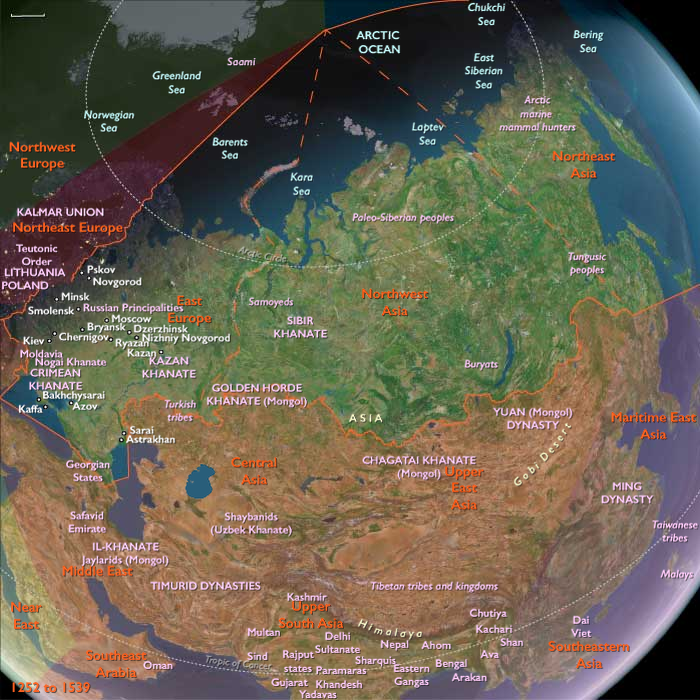
Subregions
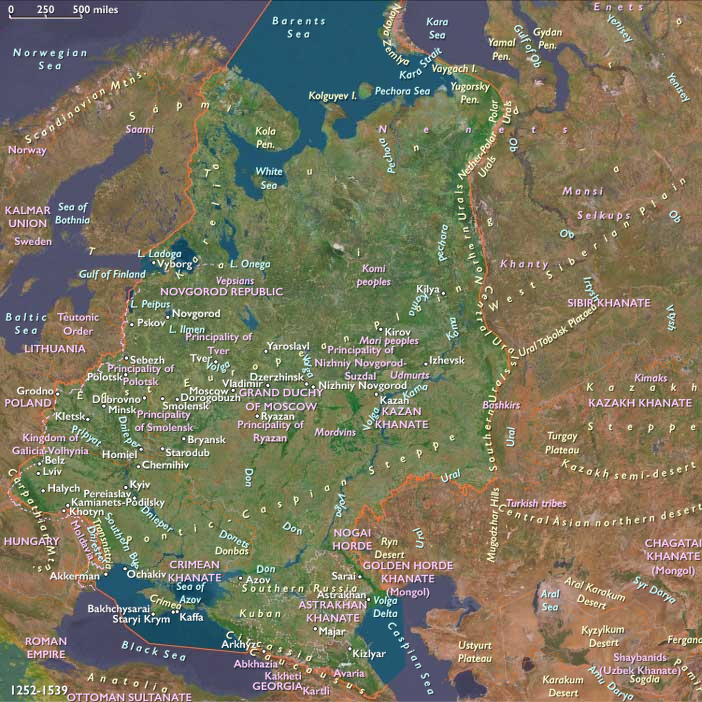
Years: 1324 - 1335
Groups
- Komi peoples
- Mordvins
- Veps, or Vepsians
- Mari people
- Polatsk, Principality of
- Novgorod, Principality of
- Smolensk, Principality of
- Christians, Eastern Orthodox
- Mongols
- Udmurt people
- Ryazan, Principality of
- Vladimir-Suzdal, Great Principality of
- Galicia–Volhynia, Principality of
- Mongol Empire
- Golden Horde, Khanate of the (Mongol Khanate)
- Moscow, Principality of
Commodoties
- Weapons
- Hides and feathers
- Gem materials
- Domestic animals
- Grains and produce
- Ceramics
- Strategic metals
- Slaves
- Sweeteners
- Beer, wine, and spirits
Subjects
Regions
Subregions