
East Europe (1288–1299 CE): Consolidation of Mongol …
Years: 1288 - 1299
East Europe (1288–1299 CE): Consolidation of Mongol Rule and Muscovite Influence
Political and Military Developments
Sustained Golden Horde Authority
From 1288 to 1299 CE, the Golden Horde continued to assert effective control over East Europe, managing regional governance through tributary systems and local princes. This stable, albeit oppressive, structure allowed the Horde to maintain its influence while relying heavily on compliant local leadership.
Expansion and Strengthening of Moscow
Moscow further strengthened its position during this era, effectively leveraging its cooperative relationship with the Mongol rulers to expand territorial control and consolidate internal authority. Moscow's princes gained prominence, positioning the principality as an increasingly influential political entity.
Economic and Technological Developments
Prosperity through Eurasian Trade
Trade across Eurasia continued flourishing, supported by the Pax Mongolica. East European cities saw increased prosperity through exchanges of luxury commodities and practical goods, significantly contributing to urban economic stability and growth.
Military and Technological Integration
Muscovite and other regional principalities further incorporated Mongol military strategies and technological innovations, particularly in cavalry warfare, siege engineering, and defensive fortifications, enhancing their regional military effectiveness.
Cultural and Artistic Developments
Heightened Cultural Synthesis
The intermingling of Mongol and local cultural traditions deepened, resulting in distinctive East European artistic and architectural expressions. Iconography, religious structures, and material culture increasingly reflected this cultural blend.
Continued Intellectual and Literary Activity
Literary and intellectual endeavors persisted robustly, with chroniclers diligently preserving historical, religious, and genealogical records. These activities served as vital efforts in maintaining Rus' cultural identity amidst foreign dominance.
Settlement Patterns and Urban Development
Urban Growth and Economic Vitality
Moscow and other significant urban centers experienced continued demographic and economic growth. Urban stability was reinforced through improved infrastructure and commerce, facilitating steady expansion and development.
Enhanced Defensive Infrastructure
Cities consistently upgraded their defensive fortifications, adapting to the strategic demands of the region. These enhancements helped safeguard economic stability and provided essential protection from regional conflicts and external threats.
Social and Religious Developments
Aristocratic Authority and Influence
Local aristocrats solidified their positions, navigating the complexities of Mongol governance to strengthen their own power bases. These elites increasingly dominated social, political, and economic spheres.
Centrality of the Orthodox Church
The Orthodox Church retained its influential role as a stabilizing and cohesive force within society. It continued to lead educational efforts, guide cultural practices, and preserve societal traditions under the prevailing political conditions.
Long-Term Consequences and Historical Significance
The period from 1288 to 1299 CE was crucial for reinforcing Mongol control mechanisms and advancing Moscow's emerging dominance in East Europe. The developments of this era laid key foundations for future regional autonomy and identity formation.
Groups
- Polatsk, Principality of
- Novgorod, Principality of
- Smolensk, Principality of
- Christians, Eastern Orthodox
- Mongols
- Ryazan, Principality of
- Vladimir-Suzdal, Great Principality of
- Galicia–Volhynia, Principality of
- Mongol Empire
- Golden Horde, Khanate of the (Mongol Khanate)
- Moscow, Principality of
Commodoties
- Weapons
- Hides and feathers
- Gem materials
- Domestic animals
- Grains and produce
- Ceramics
- Strategic metals
- Slaves
- Sweeteners
- Beer, wine, and spirits
Subjects
Regions
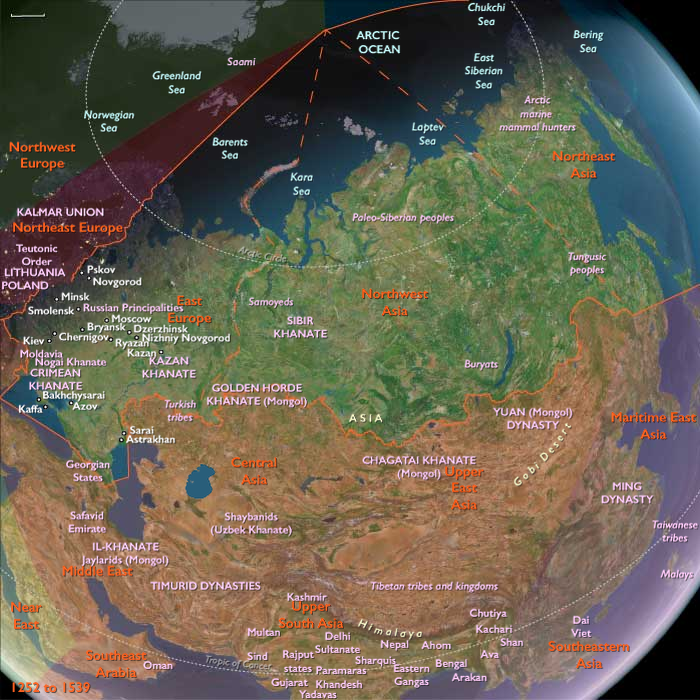
Subregions
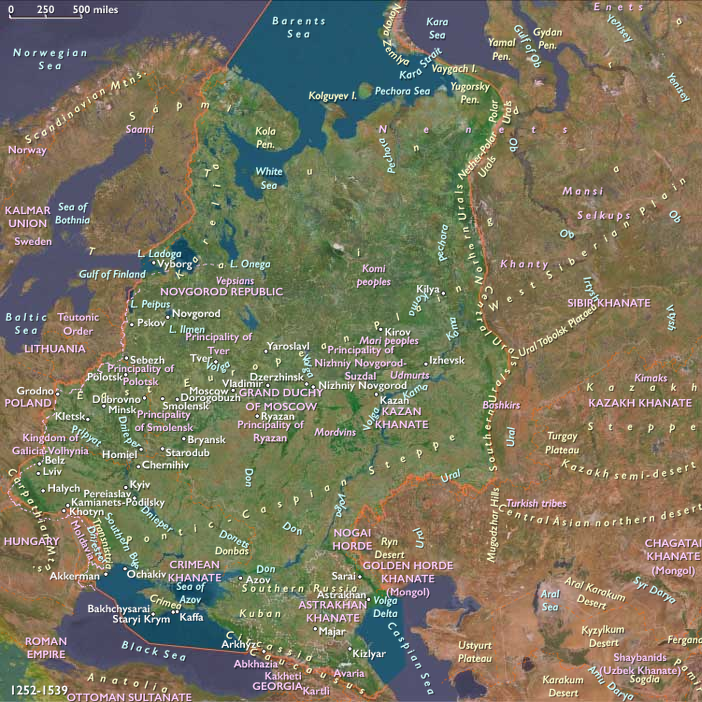
Related Events
Showing 10 events out of 45370 total
Years: 1288 - 1299
Groups
- Polatsk, Principality of
- Novgorod, Principality of
- Smolensk, Principality of
- Christians, Eastern Orthodox
- Mongols
- Ryazan, Principality of
- Vladimir-Suzdal, Great Principality of
- Galicia–Volhynia, Principality of
- Mongol Empire
- Golden Horde, Khanate of the (Mongol Khanate)
- Moscow, Principality of
Commodoties
- Weapons
- Hides and feathers
- Gem materials
- Domestic animals
- Grains and produce
- Ceramics
- Strategic metals
- Slaves
- Sweeteners
- Beer, wine, and spirits
Subjects
Regions
Subregions