
East Europe (1276–1287 CE): Muscovite Expansion and …
Years: 1276 - 1287
East Europe (1276–1287 CE): Muscovite Expansion and Mongol Consolidation
Political and Military Developments
Continued Mongol Authority
Between 1276 and 1287 CE, the Golden Horde further cemented its dominance over East European territories, refining its tribute and vassalage system. The Mongol rulers maintained control through local princes who managed regional affairs under Mongol oversight.
Growing Power of Moscow
During this period, the Principality of Moscow steadily expanded its territory and political influence by effectively cooperating with the Golden Horde. Moscow's princes notably increased their authority, laying a stronger foundation for future autonomy and regional control.
Economic and Technological Developments
Enhanced Eurasian Commerce
Trade networks connecting East Europe with Asia and the Middle East continued to thrive, with increased volumes of silk, spices, precious metals, and other luxury goods enriching urban centers. Moscow, Novgorod, and other cities significantly benefited from these expanded economic activities.
Further Adoption of Military Technology
Local principalities continued to integrate Mongol military tactics, further developing their cavalry, siege warfare, and defensive infrastructure. These adaptations provided East European territories with improved defense and military capability.
Cultural and Artistic Developments
Deepening Cultural Exchange
Artistic and cultural exchanges intensified, further merging Rus' and Mongol aesthetics. Distinctive styles emerged, evident in architecture, decorative arts, and religious iconography, reflecting the complex intercultural dynamics of the period.
Literary and Intellectual Growth
Rus' literary traditions flourished, as chronicles and religious texts continued to be diligently produced. Intellectual activity aimed at preserving cultural identity and historical memory amidst Mongol oversight.
Settlement Patterns and Urban Development
Urban Consolidation and Expansion
Urban centers, especially Moscow, experienced continued growth, both economically and demographically. This urban consolidation reflected stable governance, strategic economic planning, and successful integration within Mongol-administered systems.
Expansion of Defensive Measures
The strengthening of fortifications and defensive infrastructure remained critical, as urban centers reinforced their protective measures to mitigate ongoing regional tensions and ensure stability.
Social and Religious Developments
Strengthening of Aristocratic Power
Local aristocratic families entrenched their roles and power further within the Mongol governance system. These families increasingly influenced political, economic, and social dynamics, consolidating their regional power.
Orthodox Church and Social Stability
The Orthodox Church maintained its pivotal role in societal cohesion, education, and cultural continuity. Its influence extended beyond spiritual matters into areas of governance and community leadership.
Long-Term Consequences and Historical Significance
The era from 1276 to 1287 CE marked significant political and economic developments, particularly through Moscow's territorial and political expansion under Mongol authority. These years laid vital groundwork for future political autonomy and regional unity in East Europe.
People
Groups
- Polatsk, Principality of
- Novgorod, Principality of
- Kievan Rus', or Kiev, Great Principality of
- Smolensk, Principality of
- Christians, Eastern Orthodox
- Mongols
- Vladimir-Suzdal, Great Principality of
- Galicia–Volhynia, Principality of
- Mongol Empire
- Golden Horde, Khanate of the (Mongol Khanate)
- Moscow, Principality of
Commodoties
- Weapons
- Hides and feathers
- Gem materials
- Domestic animals
- Grains and produce
- Ceramics
- Strategic metals
- Slaves
- Sweeteners
- Beer, wine, and spirits
Subjects
Regions
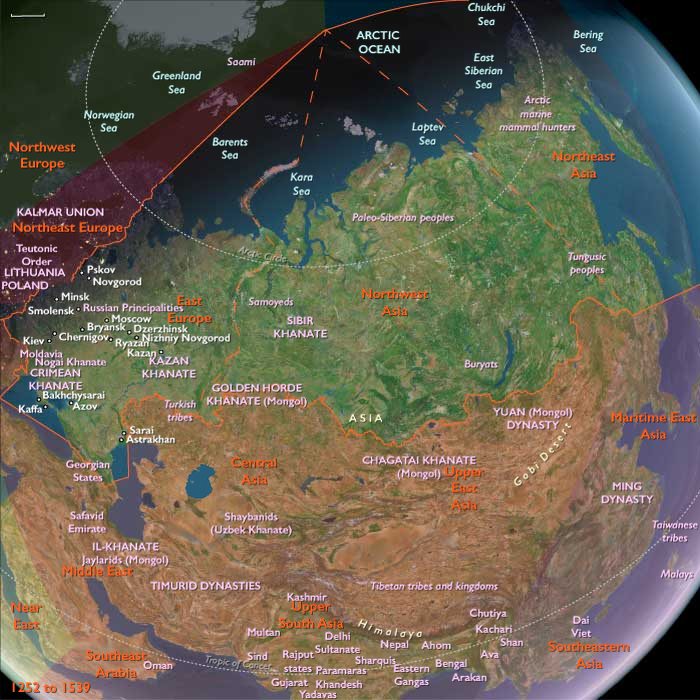
Subregions
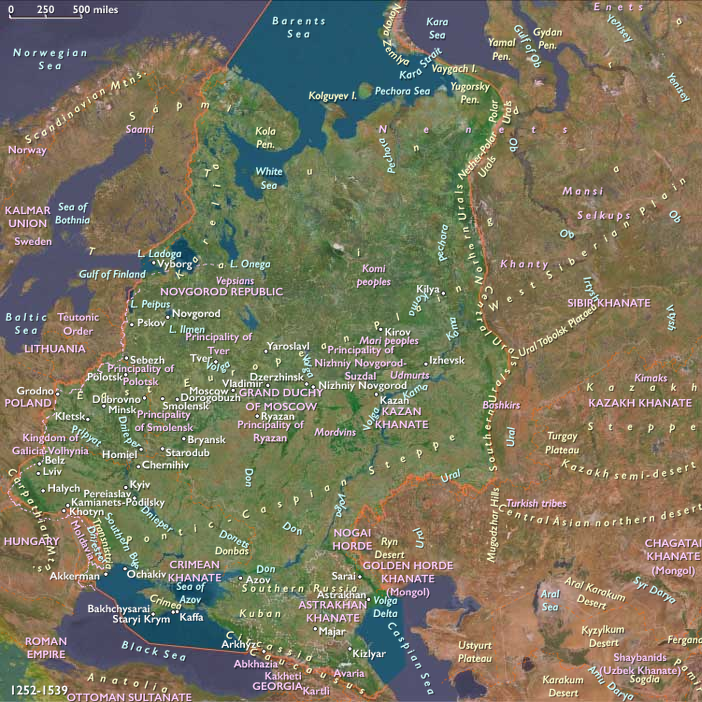
Years: 1276 - 1287
People
Groups
- Polatsk, Principality of
- Novgorod, Principality of
- Kievan Rus', or Kiev, Great Principality of
- Smolensk, Principality of
- Christians, Eastern Orthodox
- Mongols
- Vladimir-Suzdal, Great Principality of
- Galicia–Volhynia, Principality of
- Mongol Empire
- Golden Horde, Khanate of the (Mongol Khanate)
- Moscow, Principality of
Commodoties
- Weapons
- Hides and feathers
- Gem materials
- Domestic animals
- Grains and produce
- Ceramics
- Strategic metals
- Slaves
- Sweeteners
- Beer, wine, and spirits
Subjects
Regions
Subregions