
East Central Europe (1000–1011 CE): Polish Royal …
Years: 1000 - 1011
East Central Europe (1000–1011 CE): Polish Royal Recognition, Foundation of the Hungarian Kingdom, and Imperial Influence under Otto III and Henry II
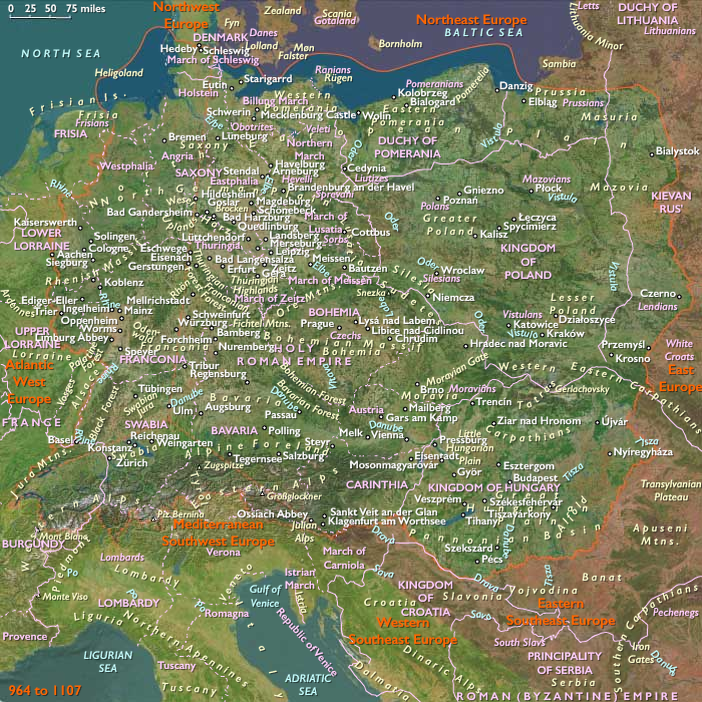
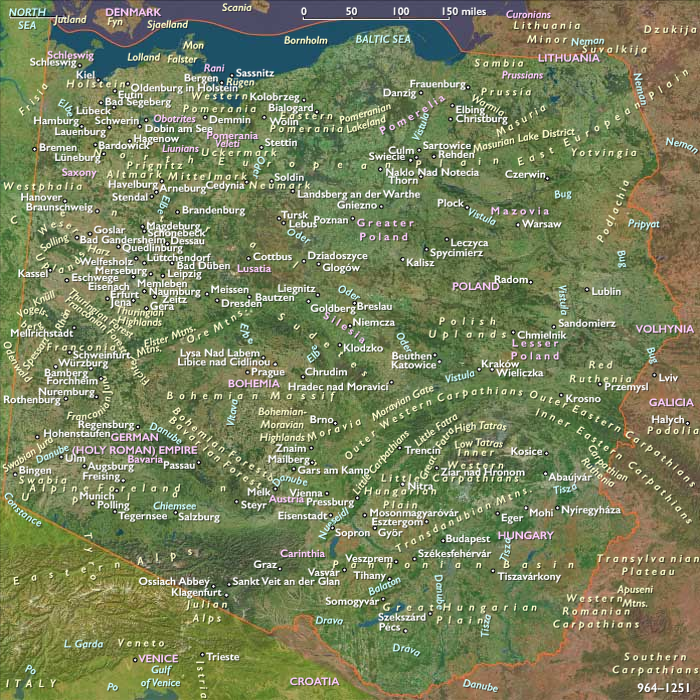
Between 1000 and 1011 CE, East Central Europe—encompassing present-day Poland, Czechia, Slovakia, Hungary, and the eastern parts of Germany and Austria east of 10°E and north of the previously defined southeastern boundary—experienced pivotal transformations. This era witnessed the formal recognition of Polish sovereignty with Bolesław I’s coronation-like elevation, the foundation and official Christianization of the Kingdom of Hungary under Stephen I, and sustained imperial influence from the late Ottonian emperors, particularly Otto III and Henry II. These critical events fundamentally reshaped the region’s medieval political and cultural landscape.
Political and Military Developments
Poland’s Royal Recognition under Bolesław I
-
In 1000 CE, Bolesław I "the Brave" welcomed Emperor Otto III at the significant Congress of Gniezno, gaining imperial recognition for Poland’s autonomy and an independent ecclesiastical hierarchy, significantly enhancing his royal authority, prestige, and legitimacy throughout Europe.
Foundation of the Kingdom of Hungary under Stephen I
-
On December 25, 1000 CE, Stephen I (r. 997–1038), Géza’s son, was crowned as Hungary’s first king by a papal envoy, officially establishing the Kingdom of Hungary. His coronation solidified centralized Christian authority and marked a decisive shift from tribal confederation to a structured Christian monarchy.
Imperial Influence under Otto III and Henry II
-
Emperor Otto III (983–1002) pursued policies reinforcing imperial authority and Christianization across eastern frontiers, maintaining diplomatic relationships with both Poland and Hungary. After Otto’s death (1002), Henry II (1002–1024) continued these policies, aiming to secure imperial dominance in East Central Europe and maintain influence over Bohemia and Poland.
Bohemian Stability and Přemyslid Authority
-
Bohemia, under the Přemyslid duke Boleslaus III (r. 999–1002, 1003) and subsequently Jaromír (1003–1012, intermittently), faced internal dynastic struggles and external pressure from Poland and the Holy Roman Empire, affecting its regional influence.
Economic and Technological Developments
Flourishing of Trade and Economic Stability
-
Political stability, particularly in Poland and Hungary, fostered robust trade networks. Trade flourished with the exchange of metals, textiles, agricultural produce, and luxury goods, enhancing regional prosperity and urban growth.
Continued Expansion of Fortifications and Towns
-
Major investments in fortified towns and royal administrative centers continued across Poland (Gniezno, Kraków), Hungary (Esztergom, Székesfehérvár), and Bohemia (Prague), significantly improving infrastructure, administrative efficiency, and economic stability.
Cultural and Artistic Developments
Polish Cultural Renaissance and Ecclesiastical Independence
-
Following the Congress of Gniezno (1000), Poland experienced a cultural and religious renaissance, with expanded ecclesiastical institutions, cathedral construction, and significant artistic patronage solidifying Polish national and religious identity.
Hungarian Christian and Royal Culture under Stephen I
-
King Stephen I actively fostered Christian culture by founding monasteries, cathedrals, and bishoprics. His reign established the lasting cultural, religious, and royal traditions central to Hungarian identity.
Imperial Ottonian Artistic Influence
-
Otto III and Henry II continued the Ottonian tradition of ecclesiastical and artistic patronage, influencing Bohemia, Poland, and Hungary through cultural exchanges, manuscripts, architecture, and imperial symbolism.
Settlement and Urban Development
Expansion of Polish Royal Cities
-
Under Bolesław I, Polish urban centers—particularly Gniezno, Kraków, and Poznań—expanded significantly as key political, ecclesiastical, and economic hubs, solidifying early Polish urbanization patterns.
Hungarian Urban and Administrative Foundations
-
King Stephen I extensively developed Hungarian administrative and ecclesiastical centers, notably Esztergom and Székesfehérvár, centralizing royal power and initiating enduring urban traditions.
Bohemian Urban Stability
-
Despite dynastic instability, Bohemian towns, especially Prague, continued urban and ecclesiastical expansion, remaining influential administrative and cultural centers.
Social and Religious Developments
Christianization and Ecclesiastical Expansion
-
Christianity became fully established as the dominant religious and societal structure in Poland and Hungary, profoundly reshaping social organization, governance, and regional identity.
Dynastic Consolidation and Aristocratic Influence
-
Royal and aristocratic structures solidified in Poland and Hungary, establishing stable dynastic succession, centralized governance, and defined social hierarchies critical for future medieval society.
Long-Term Consequences and Historical Significance
The period 1000–1011 CE represented a decisive era in East Central European history. Poland’s recognition as a significant independent Christian power, Hungary’s foundation as a structured Christian kingdom, and sustained Ottonian imperial influence dramatically reshaped political alignments, cultural identities, and religious institutions. These foundational developments significantly influenced the region’s historical trajectory throughout the High Middle Ages.
People
Groups
- Polytheism (“paganism”)
- Franks
- Saxons
- Germans
- Hungarian people
- Wends, or Sorbs (West Slavs)
- Christianity, Chalcedonian
- Bavarians (West Germanic tribe)
- Polans, Western (West Slavic tribe)
- Thuringia, Duchy of
- Thuringia, (Frankish) Duchy of
- Carantania
- Carantanians
- Frankish, or Carolingian (Roman) Empire
- Saxony, Duchy of
- Moravia, Great, Kingdom of
- Francia Orientalis (East Francia), Kingdom of
- Roman Empire, Eastern: Macedonian dynasty
- Bohemia, Duchy of
- Hungary, Principality of
- Bavaria, Ottonian Duchy of
- Holy Roman Empire
- Germany, Kingdom of (within the Holy Roman Empire)
- German, or Ottonian (Roman) Empire
- Austria, Margravate of
Topics
Commodoties
Subjects
Regions
Subregions
Years: 1000 - 1011
People
Groups
- Polytheism (“paganism”)
- Franks
- Saxons
- Germans
- Hungarian people
- Wends, or Sorbs (West Slavs)
- Christianity, Chalcedonian
- Bavarians (West Germanic tribe)
- Polans, Western (West Slavic tribe)
- Thuringia, Duchy of
- Thuringia, (Frankish) Duchy of
- Carantania
- Carantanians
- Frankish, or Carolingian (Roman) Empire
- Saxony, Duchy of
- Moravia, Great, Kingdom of
- Francia Orientalis (East Francia), Kingdom of
- Roman Empire, Eastern: Macedonian dynasty
- Bohemia, Duchy of
- Hungary, Principality of
- Bavaria, Ottonian Duchy of
- Holy Roman Empire
- Germany, Kingdom of (within the Holy Roman Empire)
- German, or Ottonian (Roman) Empire
- Austria, Margravate of
Topics
Commodoties
Subjects
Regions
Subregions