
East Central Europe (928–939 CE): Saxon Victories …
Years: 928 - 939
East Central Europe (928–939 CE): Saxon Victories over the Magyars, Bohemian Consolidation under Wenceslaus and Boleslaus, and Emerging Polish Tribes
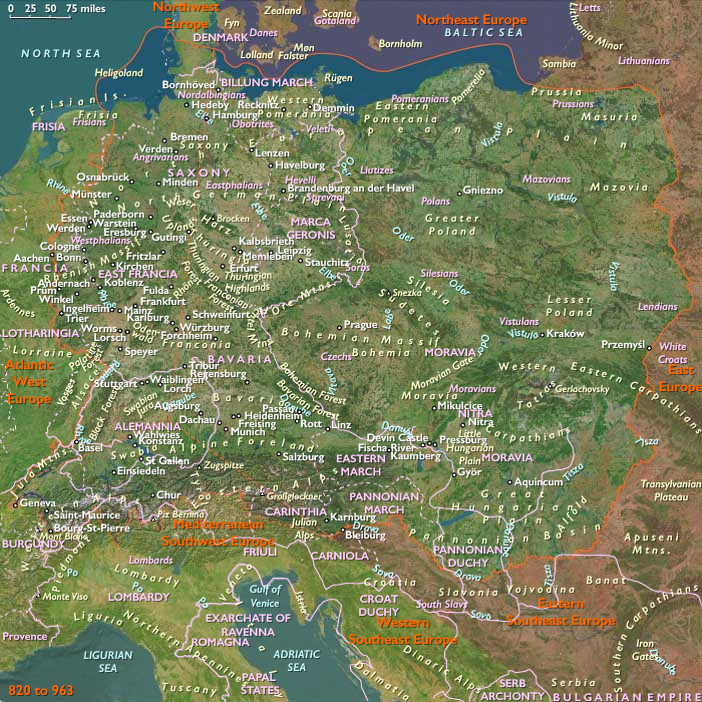
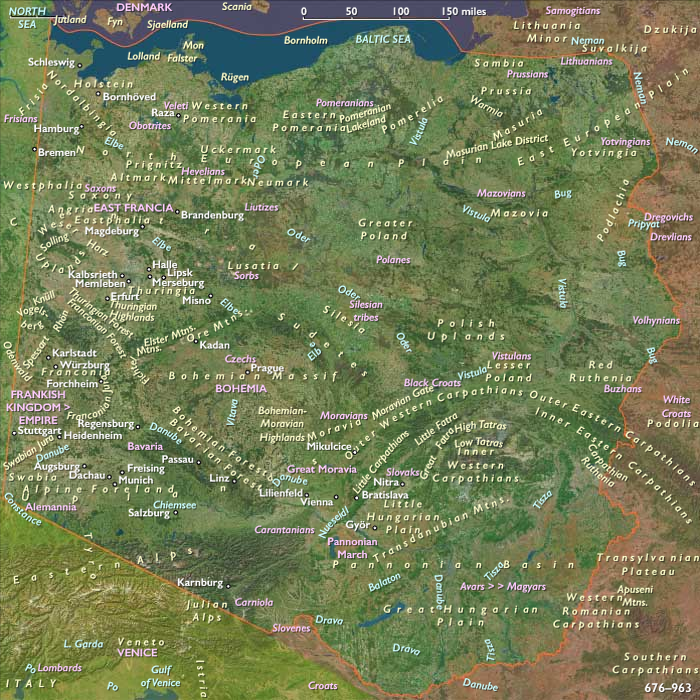
Between 928 and 939 CE, East Central Europe—comprising modern-day Poland, Czechia, Slovakia, Hungary, and eastern portions of Germany and Austria east of 10°E and north of a line from approximately 48.2°N at 10°E to the Austro-Slovenian border near 46.7°N, 15.4°E—entered a crucial phase characterized by successful Saxon resistance to Magyar incursions under Henry the Fowler, political consolidation and conflict in Bohemia under the Přemyslid rulers Wenceslaus I and Boleslaus I, and the early formation of distinct tribal centers in what would later become Poland. These developments significantly reshaped regional dynamics, establishing clearer political entities and cultural identities that profoundly influenced subsequent historical trajectories.
Political and Military Developments
Henry the Fowler’s Saxon Victories over the Magyars
-
In 933 CE, Henry the Fowler (r. 919–936) decisively defeated Magyar forces at the Battle of Riade, significantly curbing Magyar raids and solidifying Saxony’s military strength. His victories fortified East Francia’s eastern frontier, bolstering regional stability and setting a critical precedent for future Saxon dominance.
Přemyslid Consolidation and Internal Struggle in Bohemia
-
Bohemia witnessed critical political consolidation under the Přemyslids. Duke Wenceslaus I (Saint Wenceslaus, d. 935) significantly strengthened centralized authority but was assassinated by his brother, Boleslaus I the Cruel (r. 935–972), who consolidated his power through aggressive political and military strategies, expanding Bohemian territory and asserting independence from external powers.
Emergence of Early Polish Tribal Entities
-
Early tribal centers emerged distinctly in regions of modern-day Poland, notably around the Polans and other Slavic groups. While still fragmented, these early political structures laid essential groundwork for subsequent Polish state formation.
Economic and Technological Developments
Revival of Regional Economic Activity
-
With increased security from Saxon victories, regional trade networks regained stability, enhancing commerce and exchange between Saxony, Bavaria, Bohemia, and emergent Polish centers, notably involving agricultural products, metals, and manufactured goods.
Defensive and Administrative Infrastructure Improvements
-
Henry the Fowler extensively developed fortified towns and frontier defenses, notably in Saxony and Bavaria, significantly improving regional security, facilitating economic activity, and laying the foundations for organized medieval urban life.
Cultural and Artistic Developments
Saxon Cultural Flourishing under Henry
-
Henry the Fowler’s reign fostered significant cultural achievements through ecclesiastical patronage, monastery foundations, and manuscript production, solidifying Saxony’s cultural prominence within East Francia.
Přemyslid Cultural Identity in Bohemia
-
Under Wenceslaus and Boleslaus, Bohemian cultural and ecclesiastical identity strengthened considerably, notably through the promotion of Slavic-Christian traditions and artistic patronage, laying cultural foundations that profoundly shaped Bohemian identity.
Formation of Early Polish Cultural Centers
-
Early Polish tribes began developing distinct cultural identities through local traditions, settlement practices, and artisanal production, establishing cultural groundwork for future Polish states.
Settlement and Urban Development
Saxon Fortified Towns and Military Infrastructure
-
Henry the Fowler’s fortification strategy significantly enhanced urbanization and settlement structures, notably in Saxony and along East Francia’s eastern frontier, laying critical foundations for medieval towns.
Bohemian Urban and Administrative Consolidation
-
Prague and other Bohemian centers experienced significant growth under Přemyslid rule, becoming administrative, religious, and commercial hubs central to the duchy’s expanding influence.
Emergence of Polish Tribal Settlements
-
Early tribal settlements in Poland, particularly among the Polans, saw steady growth, laying the early settlement patterns and political organization crucial to future Polish territorial consolidation.
Social and Religious Developments
Christian Expansion and Ecclesiastical Influence
-
Christianity continued expanding across Saxony, Bohemia, and emerging Polish centers. Ecclesiastical institutions significantly influenced social structures, governance, and cultural integration.
Formation of Dynastic and Aristocratic Hierarchies
-
Saxony under Henry, Bohemia under the Přemyslids, and emerging Polish tribes developed distinct aristocratic hierarchies, reinforcing dynastic leadership structures that profoundly influenced later medieval governance.
Long-Term Consequences and Historical Significance
The era 928–939 CE was decisive for East Central Europe, marking the beginning of Saxon military dominance over the Magyars, solidifying Přemyslid power in Bohemia, and establishing formative political and cultural identities among Polish tribes. These critical developments set enduring political structures, cultural traditions, and demographic patterns, laying essential foundations for subsequent historical developments in medieval East Central Europe.
People
Groups
- Polytheism (“paganism”)
- Franks
- Saxons
- Germans
- Hungarian people
- Wends, or Sorbs (West Slavs)
- Christianity, Chalcedonian
- Bavarians (West Germanic tribe)
- Polans, Western (West Slavic tribe)
- Thuringia, Duchy of
- Thuringia, (Frankish) Duchy of
- Carantania
- Carantanians
- Frankish, or Carolingian (Roman) Empire
- Saxony, Duchy of
- Moravia, Great, Kingdom of
- Francia Orientalis (East Francia), Kingdom of
- Roman Empire, Eastern: Macedonian dynasty
- Bohemia, Duchy of
- Hungary, Principality of
- Bavaria, Luitpolding Duchy of
- Bavaria, Ottonian Duchy of
Topics
Commodoties
Subjects
Regions
Subregions
Related Events
Showing 5 events out of 5 total
Years: 928 - 939
People
Groups
- Polytheism (“paganism”)
- Franks
- Saxons
- Germans
- Hungarian people
- Wends, or Sorbs (West Slavs)
- Christianity, Chalcedonian
- Bavarians (West Germanic tribe)
- Polans, Western (West Slavic tribe)
- Thuringia, Duchy of
- Thuringia, (Frankish) Duchy of
- Carantania
- Carantanians
- Frankish, or Carolingian (Roman) Empire
- Saxony, Duchy of
- Moravia, Great, Kingdom of
- Francia Orientalis (East Francia), Kingdom of
- Roman Empire, Eastern: Macedonian dynasty
- Bohemia, Duchy of
- Hungary, Principality of
- Bavaria, Luitpolding Duchy of
- Bavaria, Ottonian Duchy of
Topics
Commodoties
Subjects
Regions
Subregions