
East Central Europe (220–231 CE): Emerging Frontier …
Years: 220 - 231
East Central Europe (220–231 CE): Emerging Frontier Pressures and Shifting Tribal Dynamics
Between 220 and 231 CE, East Central Europe—encompassing Poland, Czechia, Slovakia, Hungary, and those portions of Germany and Austria lying east of 10°E and north of a line stretching from roughly 48.2°N at 10°E southeastward to the Austro-Slovenian border near 46.7°N, 15.4°E—experienced growing pressures along the Roman frontier. The previously stable frontier under the Severan dynasty (193–235 CE) began encountering signs of strain due to increasing internal Roman instability, shifting tribal alliances, and intensified diplomatic complexity among Germanic and Sarmatian neighbors, including the Marcomanni, Quadi, Iazyges, and other emerging groups.
Political and Military Developments
Emerging Frontier Challenges
-
After the stable reigns of Severan emperors, Roman provinces along the Danube—Pannonia Superior, Pannonia Inferior, and Noricum—began experiencing heightened pressures from neighboring tribal communities.
-
Internal political uncertainty within the Roman Empire under emperors like Elagabalus (218–222 CE) and Severus Alexander (222–235 CE) weakened Roman frontier administration, increasing vulnerabilities.
Increased Diplomatic Complexity
-
Diplomatic interactions became increasingly complex, with tribes such as the Marcomanni, Quadi, and Iazyges adopting more assertive postures, seeking advantageous terms as Roman strength appeared uncertain.
-
New tribal alliances and power shifts among Germanic and Sarmatian groups gradually reshaped frontier relationships, creating a more fluid diplomatic landscape.
Economic and Technological Developments
Moderate Economic Strain
-
While cross-border trade continued, the region’s economic prosperity faced moderate disruptions resulting from growing frontier uncertainties and occasional tribal tensions. Roman goods (metalwork, pottery, textiles, glass) remained central in trade exchanges but required increased military escort or protection, reflecting new regional challenges.
Continued Frontier Infrastructure
-
Despite challenges, the Romans maintained and continued strengthening their defensive frontier infrastructure—fortifications, roads, and communications—though at a reduced pace compared to previous eras.
Cultural and Artistic Developments
Adapting Cultural Expressions
-
Cultural and artistic activities reflected changing regional dynamics, with increased emphasis on defensive, military, and protective motifs in artifacts. Artisans adapted to uncertainties, producing durable, practical, and defensively oriented objects.
Persistent Cultural Integration
-
Roman and tribal communities continued cultural interactions despite emerging challenges, maintaining productive exchanges and synthesis in craftsmanship and material culture.
Settlement and Urban Development
Frontier Fortification Adjustments
-
Roman frontier towns (Carnuntum, Vindobona, Aquincum) experienced modest expansion and further fortification adjustments, responding to increased frontier threats and uncertainty.
Adaptive Tribal Settlements
-
Germanic and Sarmatian communities adjusted settlement patterns, fortifying and strategically positioning villages to better respond to potential instability and future conflicts.
Social and Religious Developments
Strengthened Tribal Leadership
-
Tribal leadership became increasingly assertive and militarily focused in response to emerging Roman weaknesses and frontier uncertainties. Warrior elites gained prominence through preparations for potential future conflict.
Religious Practices Reflecting Uncertainty
-
Tribal religious practices emphasized protective rites and communal solidarity rituals, responding culturally to the growing instability and uncertainty along the frontier.
Long-Term Consequences and Historical Significance
The period from 220 to 231 CE signaled an important shift in East Central Europe, marking the gradual erosion of Severan-era stability and the beginnings of a new phase of frontier challenges. Increased internal Roman instability and shifting tribal dynamics began reshaping the region’s political, economic, and social conditions, setting the stage for intensified frontier pressures and tribal migrations that would profoundly influence subsequent eras.
People
Groups
- Iazyges, or Iazygians
- Marcomanni (Germanic tribe)
- Lombards (West Germanic tribe)
- Germans
- Quadi (Germanic tribe)
- Noricum (Roman province)
- Roman Empire (Rome): Nerva-Antonine dynasty
- Pannonia Superior (Roman province)
- Pannonia Inferior (Roman province)
Topics
Commodoties
Subjects
Regions
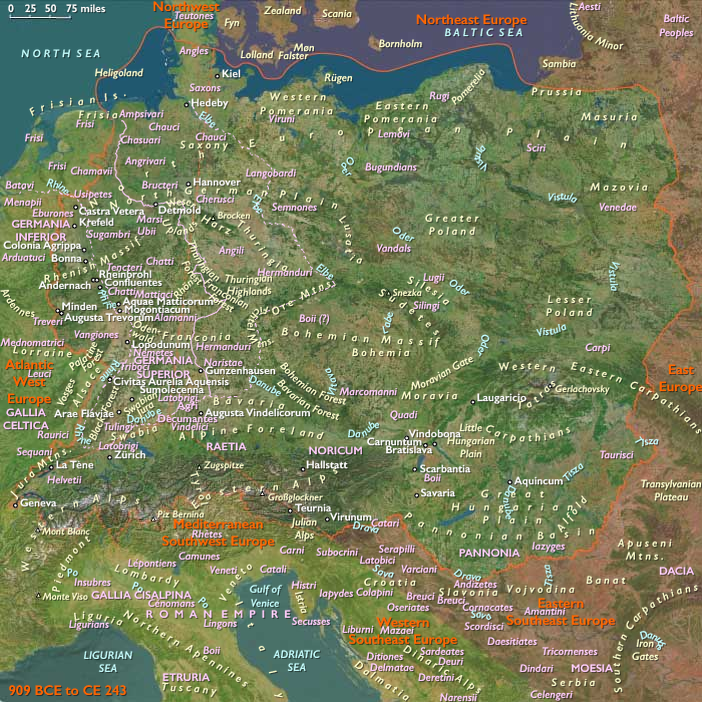
Subregions
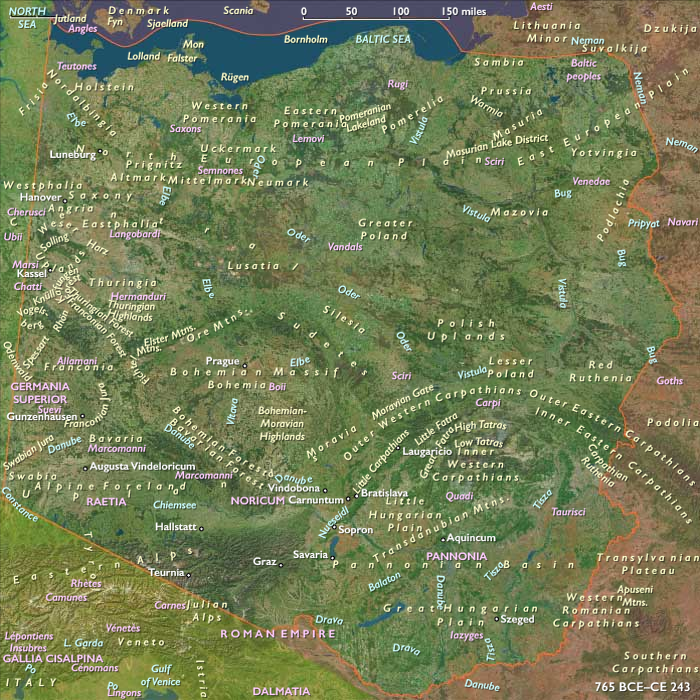
Related Events
Showing 10 events out of 60673 total
Years: 220 - 231
People
Groups
- Iazyges, or Iazygians
- Marcomanni (Germanic tribe)
- Lombards (West Germanic tribe)
- Germans
- Quadi (Germanic tribe)
- Noricum (Roman province)
- Roman Empire (Rome): Nerva-Antonine dynasty
- Pannonia Superior (Roman province)
- Pannonia Inferior (Roman province)
Topics
Commodoties
Subjects
Regions
Subregions