
East Central Europe (1204–1215 CE): Andrew II’s …
Years: 1204 - 1215
East Central Europe (1204–1215 CE): Andrew II’s Hungarian Ascendancy, Bohemian Royal Consolidation under Ottokar I, Polish Regional Power under Henry the Bearded, and Austria’s Stability under Leopold VI
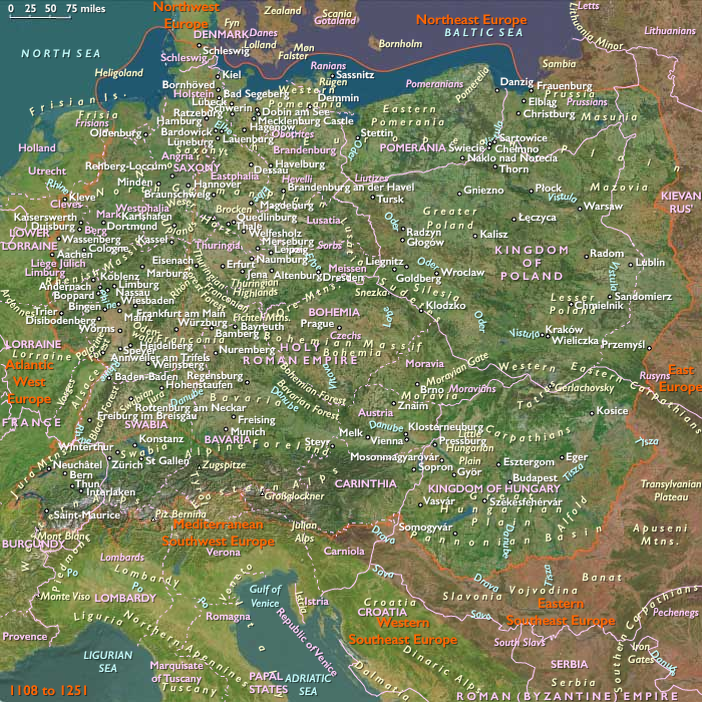
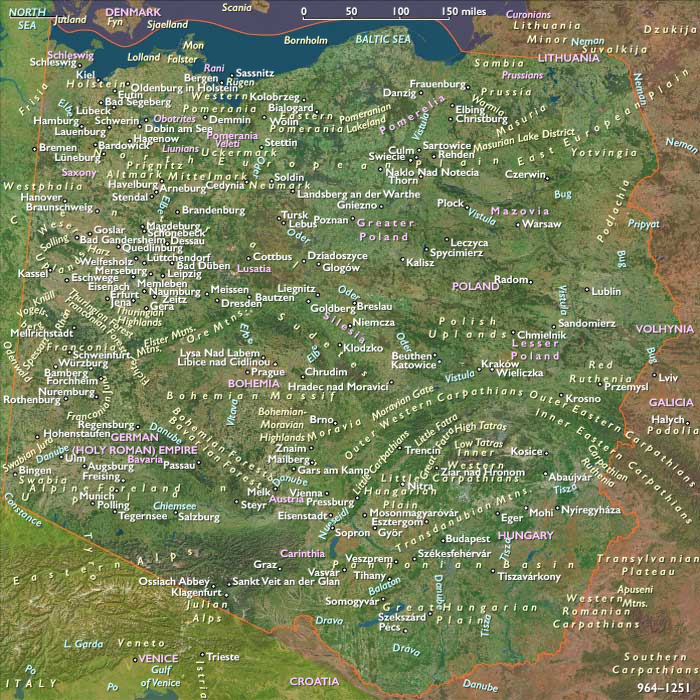
Between 1204 and 1215 CE, East Central Europe—including modern-day Poland, Czechia, Slovakia, Hungary, and eastern regions of Germany and Austria east of 10°E and north of the defined southeastern boundary—experienced significant political realignments, territorial consolidation, and cultural developments. Hungary entered a vibrant era under King Andrew II, Bohemia solidified Přemyslid royal authority under Ottokar I, Poland’s fragmentation continued but saw growing regional strength under Henry the Bearded in Silesia, and Austria prospered under Leopold VI of the Babenberg dynasty. These developments significantly influenced regional stability, economic expansion, and cultural flourishing.
Political and Military Developments
Hungarian Stability and Expansion under Andrew II
-
In 1205, following King Emeric’s death, his brother Andrew II (r. 1205–1235) ascended Hungary’s throne, ushering in a politically active and culturally vibrant reign. Andrew pursued ambitious foreign and domestic policies, seeking greater political influence across East Central Europe and actively engaging in Crusades.
-
His governance significantly strengthened Hungary’s regional standing, despite occasional internal disputes and aristocratic challenges.
Bohemian Royal Authority Strengthened under Ottokar I
-
King Ottokar I Přemysl (r. 1197–1230) reinforced royal authority, stabilizing Bohemia after previous dynastic conflicts. His strong leadership earned recognition of hereditary royal status from the Holy Roman Empire in the Golden Bull of Sicily (1212), enhancing Přemyslid autonomy and political prestige.
-
Ottokar’s reign marked significant administrative reform, territorial consolidation, and increased Bohemian political influence within imperial affairs.
Polish Fragmentation and Silesian Power under Henry the Bearded
-
Poland’s political fragmentation persisted with principalities operating autonomously. The most prominent was Silesia under Duke Henry I the Bearded (r. 1201–1238), who consolidated power, enhanced economic prosperity, and fostered diplomatic alliances.
-
Henry’s leadership elevated Silesia as the strongest of Poland’s regional duchies, significantly influencing broader Polish and Central European politics.
Austrian Stability and Prosperity under Leopold VI
-
Duke Leopold VI of Austria (r. 1198–1230) ensured political stability, territorial security, and economic prosperity within Austria. His rule strengthened urban centers, fortified regional influence, and reinforced Austria’s prominence in the Holy Roman Empire.
-
Leopold VI actively supported crusading efforts, fostering diplomatic relations across Europe and enhancing Austria’s international prestige.
Imperial Authority under Otto IV and Frederick II
-
The period featured contested imperial succession between Otto IV (r. 1198–1215) and Frederick II (r. 1212–1250), affecting regional politics. East Central European rulers navigated shifting imperial alliances, notably Bohemia under Ottokar I, whose support for Frederick II strengthened his position and royal autonomy.
Economic and Technological Developments
Prosperous Regional Economies and Expanded Trade
-
Economic prosperity continued through robust trade networks connecting Baltic, Western Europe, and Mediterranean markets. Major urban centers—Prague, Vienna, Esztergom, Kraków, and Wrocław—thrived commercially, becoming vital hubs of regional trade.
Agricultural Innovations and Population Growth
-
Agricultural productivity increased due to widespread adoption of advanced techniques, such as improved plows, crop rotation, and land management practices, supporting significant urbanization and population expansion.
Cultural and Artistic Developments
Hungarian Cultural and Artistic Flourishing under Andrew II
-
Andrew II patronized extensive ecclesiastical foundations, artistic endeavors, and intellectual developments, greatly enhancing Hungarian cultural life. Manuscript production, ecclesiastical architecture, and scholarly activities flourished, influenced by Western European and Byzantine traditions.
Bohemian Intellectual and Cultural Revival under Ottokar I
-
Bohemia’s cultural prominence significantly increased, particularly in Prague, driven by royal patronage of monastic scholarship, manuscript illumination, and architectural projects. Prague became an influential cultural and intellectual center within Central Europe.
Silesian Cultural and Economic Vitality under Henry the Bearded
-
Duke Henry the Bearded fostered cultural and economic vitality in Silesia, promoting monasteries, urban development, and artistic patronage. His support solidified Silesia’s role as a prominent cultural and commercial region within fragmented Poland.
Settlement and Urban Development
Urban Expansion in Hungary under Andrew II
-
Hungarian urban centers, notably Esztergom and Buda, expanded significantly, benefiting from improved fortifications, administrative organization, and flourishing commerce. This urban development reflected Andrew’s effective governance and economic policies.
Bohemian Town Consolidation and Growth
-
Under Ottokar I, Prague and other Bohemian urban centers experienced notable growth, infrastructure improvements, and commercial expansion. Prague’s prominence as a regional economic and administrative center was significantly enhanced.
Austrian Urban Prosperity and Infrastructure Development
-
Austria’s towns, particularly Vienna, experienced considerable prosperity under Leopold VI, supported by infrastructure enhancements, fortified settlements, and growing regional trade connections, reinforcing Austria’s economic strength and political influence.
Social and Religious Developments
Expansion and Strengthening of Ecclesiastical Structures
-
Ecclesiastical institutions expanded significantly, shaping regional governance, education, and cultural identities. Monasteries and bishoprics played critical roles in societal cohesion, intellectual development, and cultural continuity across East Central Europe.
Dynastic and Aristocratic Governance Structures
-
Aristocratic authority and dynastic leadership remained pivotal. Hungarian royal strength under Andrew II, Přemyslid consolidation in Bohemia, Austrian stability under Leopold VI, and Silesian prominence under Henry the Bearded emphasized the critical role of nobility and dynastic influence in regional governance.
Long-Term Consequences and Historical Significance
The era 1204–1215 CE represented a decisive period of regional consolidation and political realignment in East Central Europe. Andrew II’s reign solidified Hungarian regional prominence, Ottokar I secured lasting Přemyslid royal authority and autonomy in Bohemia, Henry the Bearded elevated Silesia within fragmented Poland, and Austria prospered under Leopold VI’s strong rule. These developments significantly shaped regional political identities, economic patterns, and cultural traditions, profoundly influencing East Central Europe’s medieval trajectory and future historical developments.
People
- Andrew II of Hungary
- Emeric I
- Frederick I
- Frederick II
- Henry I the Bearded
- Henry VI, Holy Roman Emperor
- Leopold VI
- Otto IV of Brunswick
- Ottokar I of Bohemia
Groups
- Polytheism (“paganism”)
- Franks
- Saxons
- Germans
- Hungarian people
- Wends, or Sorbs (West Slavs)
- Christianity, Chalcedonian
- Bavarians (West Germanic tribe)
- Polans, Western (West Slavic tribe)
- Thuringia, Duchy of
- Carantania
- Carantanians
- Saxony, Duchy of
- Bavaria, Ottonian Duchy of
- Germany, Kingdom of (within the Holy Roman Empire)
- German, or Ottonian (Roman) Empire
- Holy Roman Empire
- Austria, Margravate of
- Czechs [formerly Bohemians] (West Slavs)
- Slovaks (West Slavs)
- Carinthia, Duchy of
- Hungary, Kingdom of
- Poland of the first Piasts, Kingdom of
- Poland, Greater
- Austria, Archduchy of
- Bohemia, Kingdom of
- Bohemia, Duchy of
Topics
Commodoties
Subjects
Regions
Subregions
Years: 1204 - 1215
People
- Andrew II of Hungary
- Emeric I
- Frederick I
- Frederick II
- Henry I the Bearded
- Henry VI, Holy Roman Emperor
- Leopold VI
- Otto IV of Brunswick
- Ottokar I of Bohemia
Groups
- Polytheism (“paganism”)
- Franks
- Saxons
- Germans
- Hungarian people
- Wends, or Sorbs (West Slavs)
- Christianity, Chalcedonian
- Bavarians (West Germanic tribe)
- Polans, Western (West Slavic tribe)
- Thuringia, Duchy of
- Carantania
- Carantanians
- Saxony, Duchy of
- Bavaria, Ottonian Duchy of
- Germany, Kingdom of (within the Holy Roman Empire)
- German, or Ottonian (Roman) Empire
- Holy Roman Empire
- Austria, Margravate of
- Czechs [formerly Bohemians] (West Slavs)
- Slovaks (West Slavs)
- Carinthia, Duchy of
- Hungary, Kingdom of
- Poland of the first Piasts, Kingdom of
- Poland, Greater
- Austria, Archduchy of
- Bohemia, Kingdom of
- Bohemia, Duchy of
Topics
Commodoties
Subjects
Regions
Subregions