
East Central Europe (1108–1119 CE): Polish Reunification …
Years: 1108 - 1119
East Central Europe (1108–1119 CE): Polish Reunification under Bolesław III, Hungarian Stabilization under Coloman, and Bohemian Dynastic Consolidation
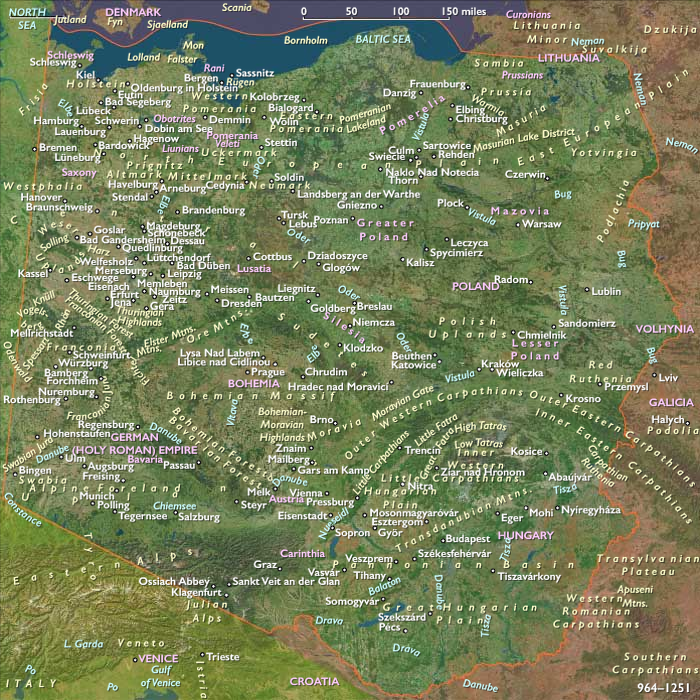
Between 1108 and 1119 CE, East Central Europe—encompassing modern-day Poland, Czechia, Slovakia, Hungary, and the eastern portions of Germany and Austria east of 10°E and north of the defined southeastern boundary—experienced critical political realignments, territorial stabilizations, and continued integration into broader European structures. This era marked the decisive reunification and strengthening of Poland under Bolesław III Wrymouth, continued stability and territorial consolidation of Hungary under Coloman the Learned, and steady dynastic consolidation in Bohemia under the Přemyslid dynasty. These developments laid the foundation for political cohesion and regional stability throughout the twelfth century.
Political and Military Developments
Polish Reunification and Territorial Expansion under Bolesław III
-
Bolesław III Wrymouth (r. 1102–1138) decisively ended Poland's earlier dynastic fragmentation by defeating and expelling his half-brother Zbigniew (1108), reunifying the kingdom under strong centralized authority.
-
He successfully expanded Polish territory northward into Pomerania (1116–1119), securing Poland’s access to the Baltic Sea and significantly strengthening royal power and territorial integrity.
Hungarian Stability and Administration under Coloman the Learned
-
Coloman of Hungary (r. 1095–1116) continued his effective governance, consolidating royal authority over Croatia and reinforcing legal and administrative reforms that brought sustained peace and prosperity to Hungary.
-
His death in 1116 led to succession by his son, Stephen II, who maintained Hungarian stability and continued internal consolidation efforts.
Bohemian Dynastic Consolidation and Stability
-
Bohemia under the Přemyslids maintained stable governance during this period, with Duke Vladislaus I (r. 1109–1125) succeeding Svatopluk (1107–1109), ensuring continuity and reinforcing Bohemia’s strategic relationship with the Holy Roman Empire.
-
The Přemyslids strengthened political institutions and expanded their influence regionally through diplomatic alliances and careful imperial alignment.
Imperial Influence of the Salian Dynasty
-
The Holy Roman Empire, under Emperor Henry V (r. 1106–1125), continued influencing East Central European politics, particularly impacting dynastic successions and alliances in Bohemia and neighboring territories.
Economic and Technological Developments
Polish Economic Revival under Bolesław III
-
The reunification and territorial expansion under Bolesław III revitalized Polish economic life, facilitating expanded trade, agricultural production, and commerce along Baltic and continental trade routes.
Continued Hungarian Prosperity
-
Under Coloman and his successor Stephen II, Hungary enjoyed sustained economic prosperity, supported by active trade connections with Byzantium, Venice, and Western Europe, boosting urban growth and stability.
Stable Bohemian Economic Growth
-
Bohemia experienced steady economic prosperity and urban development under Přemyslid stability, particularly in Prague and regional towns, benefiting from sustained trade and increased agricultural productivity.
Cultural and Artistic Developments
Cultural Patronage under Coloman and Stephen II in Hungary
-
The reigns of Coloman and Stephen II supported cultural and religious patronage, evident in ecclesiastical building programs, religious manuscript production, and scholarly pursuits, enriching Hungary’s intellectual and artistic landscape.
Polish Ecclesiastical Expansion
-
Bolesław III significantly expanded ecclesiastical patronage and foundations, notably through missionary efforts in newly conquered Pomeranian territories, solidifying Poland’s integration into Latin Christendom.
Continued Bohemian Cultural Flourishing
-
The Přemyslid rulers continued supporting cultural and artistic endeavors, promoting religious institutions, manuscript illumination, and architectural projects that enhanced Bohemia’s cultural prestige within imperial Europe.
Settlement and Urban Development
Polish Urban and Administrative Expansion
-
Poland saw significant urban growth under Bolesław III, particularly in Kraków, Gniezno, and newly integrated Baltic territories, strengthening administrative structures, fortifications, and trade networks.
Hungarian Urban Stability and Growth
-
Urban centers in Hungary, such as Esztergom and Székesfehérvár, continued flourishing under Coloman’s stable governance, reinforced by robust administrative organization and thriving commerce.
Bohemian Urban Fortification and Growth
-
Bohemian cities, notably Prague, maintained steady growth, urban fortification, and infrastructure development under Přemyslid rule, ensuring political stability and regional economic integration.
Social and Religious Developments
Expansion and Reinforcement of Christianity
-
Christianity’s dominance was solidified across the region, particularly through missionary activities in Poland’s Baltic territories, ecclesiastical institutions in Hungary, and sustained religious growth in Bohemia.
Strengthening of Dynastic and Aristocratic Structures
-
The period saw strengthened royal and dynastic authority, exemplified by Bolesław III’s centralized governance in Poland, stable royal succession in Hungary, and Přemyslid consolidation in Bohemia. These structures increasingly defined medieval political and societal hierarchies.
Long-Term Consequences and Historical Significance
The era 1108–1119 CE established essential foundations for medieval stability in East Central Europe. Poland’s reunification under Bolesław III decisively shaped its territorial and political integrity, Hungary under Coloman and Stephen II maintained steady prosperity and administrative coherence, and Bohemia continued dynastic stability under the Přemyslids. Collectively, these developments significantly shaped regional identities, governance models, cultural traditions, and societal structures, profoundly influencing East Central Europe’s trajectory throughout the medieval period.
People
- Boleslaw III Wrymouth
- Coloman
- Henry V, Holy Roman Emperor
- Stephen II of Hungary
- Svatopluk
- Vladislaus I
- Vratislaus II of Bohemia
- Wladyslaw I Herman
- Zbigniew of Poland
Groups
- Polytheism (“paganism”)
- Franks
- Saxons
- Germans
- Hungarian people
- Wends, or Sorbs (West Slavs)
- Christianity, Chalcedonian
- Bavarians (West Germanic tribe)
- Polans, Western (West Slavic tribe)
- Thuringia, Duchy of
- Carantania
- Carantanians
- Saxony, Duchy of
- Bavaria, Ottonian Duchy of
- Germany, Kingdom of (within the Holy Roman Empire)
- German, or Ottonian (Roman) Empire
- Holy Roman Empire
- Austria, Margravate of
- Czechs [formerly Bohemians] (West Slavs)
- Slovaks (West Slavs)
- Carinthia, Duchy of
- Hungary, Kingdom of
- Poland of the first Piasts, Kingdom of
- Bohemia, Duchy of
Topics
Commodoties
Subjects
Regions

Subregions
Related Events
Showing 1 events out of 1 total
Years: 1108 - 1119
People
- Boleslaw III Wrymouth
- Coloman
- Henry V, Holy Roman Emperor
- Stephen II of Hungary
- Svatopluk
- Vladislaus I
- Vratislaus II of Bohemia
- Wladyslaw I Herman
- Zbigniew of Poland
Groups
- Polytheism (“paganism”)
- Franks
- Saxons
- Germans
- Hungarian people
- Wends, or Sorbs (West Slavs)
- Christianity, Chalcedonian
- Bavarians (West Germanic tribe)
- Polans, Western (West Slavic tribe)
- Thuringia, Duchy of
- Carantania
- Carantanians
- Saxony, Duchy of
- Bavaria, Ottonian Duchy of
- Germany, Kingdom of (within the Holy Roman Empire)
- German, or Ottonian (Roman) Empire
- Holy Roman Empire
- Austria, Margravate of
- Czechs [formerly Bohemians] (West Slavs)
- Slovaks (West Slavs)
- Carinthia, Duchy of
- Hungary, Kingdom of
- Poland of the first Piasts, Kingdom of
- Bohemia, Duchy of
Topics
Commodoties
Subjects
Regions
Subregions