
East Central Europe (1096–1107 CE): Coloman’s Hungarian …
Years: 1096 - 1107
East Central Europe (1096–1107 CE): Coloman’s Hungarian Consolidation, Polish Fragmentation under Władysław I and Zbigniew, and Bohemian Stability under Bretislav II
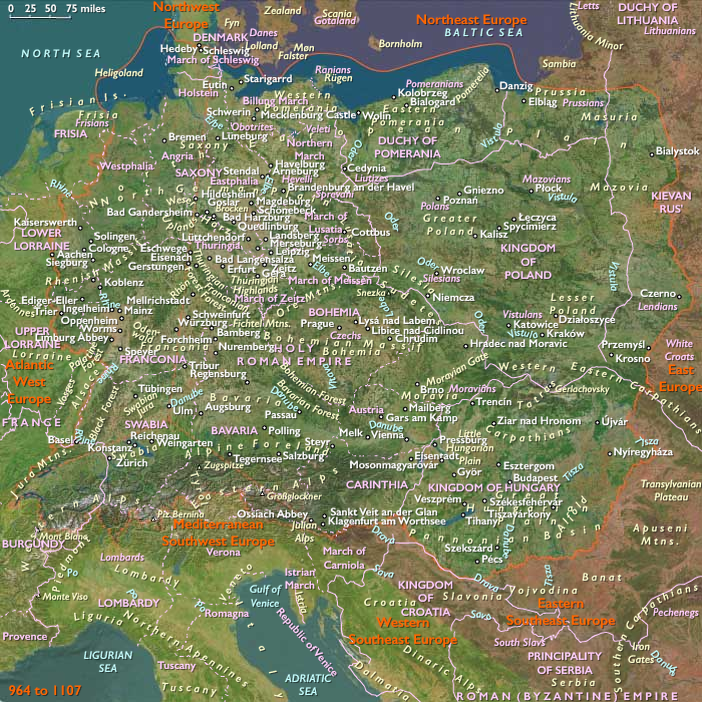
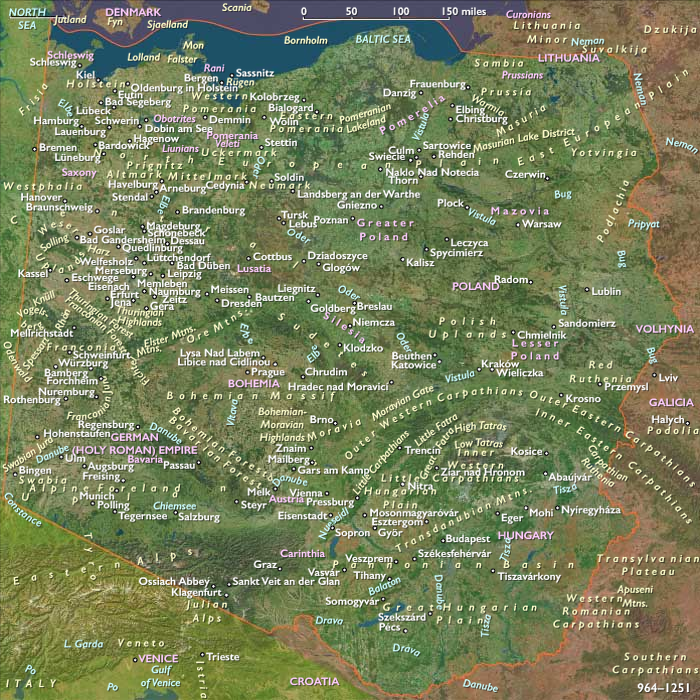
Between 1096 and 1107 CE, East Central Europe—comprising modern-day Poland, Czechia, Slovakia, Hungary, and the eastern portions of Germany and Austria east of 10°E and north of the defined southeastern boundary—experienced critical political, dynastic, and cultural shifts. King Coloman the Learned solidified Hungarian stability and expanded royal authority, Poland remained politically fragmented under the rule of Władysław I Herman and his sons, and Bohemia enjoyed stability and regional influence under Bretislav II. These developments reshaped regional dynamics and set lasting precedents for future medieval statehood.
Political and Military Developments
Hungarian Consolidation and Expansion under Coloman
-
Coloman the Learned (r. 1095–1116) secured internal peace in Hungary after Ladislaus I’s successful reign. He expanded Hungarian influence, notably annexing Croatia (1102), effectively ruling it as part of a personal union. His reforms strengthened legal structures, royal administration, and military capabilities.
Polish Dynastic Fragmentation and Rivalries
-
After Władysław I Herman’s death in 1102, Poland experienced intensified internal conflicts between his sons, Zbigniew and Bolesław III Wrymouth, leading to fragmented territories, internal instability, and weakened royal authority throughout this period.
Stability and Influence of Bohemia under Bretislav II
-
Duke Bretislav II of Bohemia (r. 1092–1100) maintained Přemyslid stability and aligned Bohemia with imperial interests, reinforcing its regional status. His reign was marked by strengthened governance, improved administrative efficiency, and enhanced regional diplomacy.
Imperial Influence under Henry IV and Henry V
-
The Holy Roman Emperors Henry IV and his son Henry V (from 1106) maintained active involvement in East Central European affairs, shaping alliances, succession disputes, and regional power dynamics, especially influencing Bohemia’s strategic alignment.
Economic and Technological Developments
Hungarian Prosperity and Economic Expansion
-
Under Coloman’s reign, Hungary’s economic prosperity grew significantly, benefiting from expanded trade with Byzantium, Venice, and Central European markets. Urban centers flourished, bolstered by increased commercial activity and improved infrastructure.
Polish Economic Disruption and Localized Recovery
-
Poland’s internal dynastic struggles temporarily disrupted economic activity, yet key urban centers (Kraków, Gniezno) continued local recovery, maintaining trade and commerce despite instability.
Continued Bohemian Urban and Economic Growth
-
Prague and other Bohemian towns remained economically robust under Bretislav II, benefiting from stable governance, increased trade, and enhanced urban infrastructure.
Cultural and Artistic Developments
Hungarian Cultural Renaissance under Coloman
-
Coloman the Learned, renowned for his intellectual interests, actively promoted ecclesiastical institutions, supported literary and scholarly activities, and initiated cultural projects, fostering a Hungarian cultural revival and intellectual flourishing.
Bohemian Ecclesiastical and Cultural Vitality
-
Bretislav II’s patronage supported ecclesiastical building programs, monastic foundations, and manuscript production, significantly enriching Bohemia’s cultural and religious life, particularly in Prague.
Polish Cultural Continuity amid Political Instability
-
Despite political fragmentation, Polish monasteries, ecclesiastical institutions, and cultural centers preserved scholarly traditions and cultural identity, providing continuity during ongoing turmoil.
Settlement and Urban Development
Expansion of Hungarian Urban Centers
-
Coloman actively supported urban growth in key Hungarian cities, notably Esztergom, Székesfehérvár, and Zagreb, strengthening administrative efficiency, economic vitality, and regional governance.
Continued Bohemian Urban Prosperity
-
Prague and other Bohemian urban centers experienced continued growth and fortification under Bretislav II, reinforcing their economic and political roles.
Polish Urban Resilience amid Dynastic Strife
-
Major Polish cities, including Kraków and Gniezno, showed resilience and maintained incremental development, ensuring continued administrative and economic significance despite political challenges.
Social and Religious Developments
Consolidation of Ecclesiastical Authority
-
Christianity remained dominant throughout the region, with strengthened ecclesiastical authority evident under Coloman in Hungary and Bretislav II in Bohemia, shaping governance, education, and cultural identities.
Dynastic Power and Aristocratic Influence
-
Dynastic and aristocratic structures continued to solidify, with Hungarian royal authority notably strengthened under Coloman. Meanwhile, Poland’s weakened central authority enhanced aristocratic influence, altering political governance patterns for subsequent decades.
Long-Term Consequences and Historical Significance
The era 1096–1107 CE significantly shaped the medieval trajectory of East Central Europe. Hungary under Coloman experienced significant territorial expansion and cultural flourishing, Poland faced severe dynastic fragmentation and weakened royal authority, and Bohemia maintained stable governance and strengthened regional influence under Bretislav II. These developments profoundly influenced regional alliances, political identities, cultural traditions, and societal structures, laying foundational elements that endured throughout subsequent medieval centuries.
People
- Boleslaw III Wrymouth
- Bretislaus II
- Coloman
- Henry V, Holy Roman Emperor
- Vratislaus II of Bohemia
- Wladyslaw I Herman
- Zbigniew of Poland
Groups
- Polytheism (“paganism”)
- Franks
- Saxons
- Germans
- Hungarian people
- Wends, or Sorbs (West Slavs)
- Christianity, Chalcedonian
- Bavarians (West Germanic tribe)
- Polans, Western (West Slavic tribe)
- Thuringia, Duchy of
- Carantania
- Carantanians
- Saxony, Duchy of
- Bavaria, Ottonian Duchy of
- Germany, Kingdom of (within the Holy Roman Empire)
- German, or Ottonian (Roman) Empire
- Holy Roman Empire
- Austria, Margravate of
- Czechs [formerly Bohemians] (West Slavs)
- Slovaks (West Slavs)
- Carinthia, Duchy of
- Hungary, Kingdom of
- Poland of the first Piasts, Kingdom of
- Bohemia, Kingdom of
Topics
Commodoties
Subjects
Regions
Subregions
Years: 1096 - 1107
People
- Boleslaw III Wrymouth
- Bretislaus II
- Coloman
- Henry V, Holy Roman Emperor
- Vratislaus II of Bohemia
- Wladyslaw I Herman
- Zbigniew of Poland
Groups
- Polytheism (“paganism”)
- Franks
- Saxons
- Germans
- Hungarian people
- Wends, or Sorbs (West Slavs)
- Christianity, Chalcedonian
- Bavarians (West Germanic tribe)
- Polans, Western (West Slavic tribe)
- Thuringia, Duchy of
- Carantania
- Carantanians
- Saxony, Duchy of
- Bavaria, Ottonian Duchy of
- Germany, Kingdom of (within the Holy Roman Empire)
- German, or Ottonian (Roman) Empire
- Holy Roman Empire
- Austria, Margravate of
- Czechs [formerly Bohemians] (West Slavs)
- Slovaks (West Slavs)
- Carinthia, Duchy of
- Hungary, Kingdom of
- Poland of the first Piasts, Kingdom of
- Bohemia, Kingdom of
Topics
Commodoties
Subjects
Regions
Subregions