
East Central Europe (1084–1095 CE): Royal Elevation …
Years: 1084 - 1095
East Central Europe (1084–1095 CE): Royal Elevation in Bohemia, Crisis in Poland under Władysław I, and Hungarian Prosperity under Ladislaus I
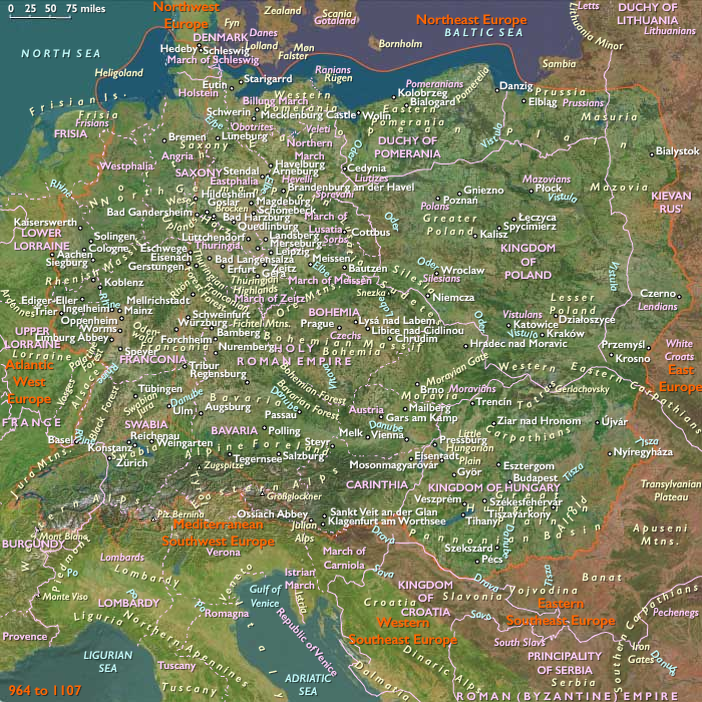
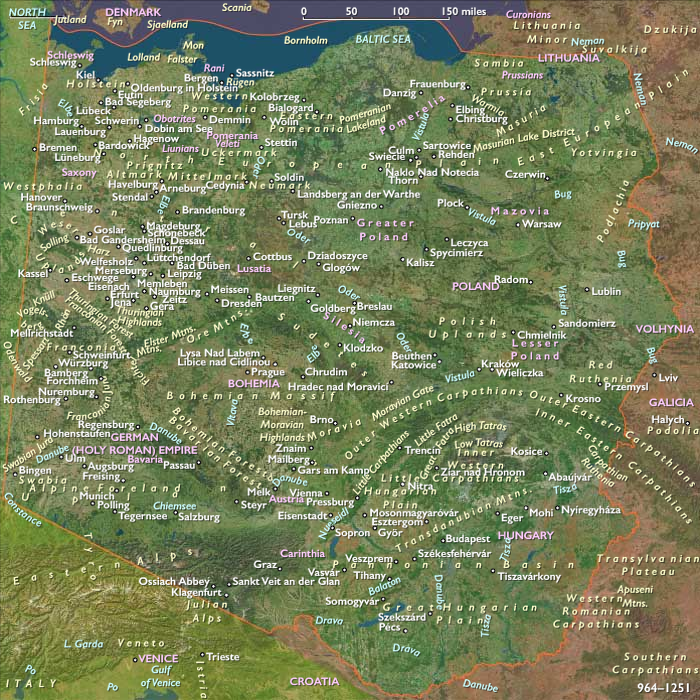
Between 1084 and 1095 CE, East Central Europe—encompassing modern-day Poland, Czechia, Slovakia, Hungary, and eastern regions of Germany and Austria east of 10°E and north of the defined southeastern boundary—experienced significant political realignments, dynastic transitions, and cultural transformations. Vratislaus II was elevated to the royal dignity as the first King of Bohemia, Poland faced severe internal strife and dynastic upheaval following the dramatic fall of Bolesław II, and Hungary flourished culturally and politically under the stable and prosperous reign of King Ladislaus I.
Political and Military Developments
Bohemia’s Royal Elevation under Vratislaus II
-
In 1085, Vratislaus II of Bohemia was elevated to royal status by Emperor Henry IV, becoming the first Bohemian ruler formally recognized as King. His enhanced prestige strengthened Bohemian autonomy and regional influence, aligning Bohemia closely with imperial interests.
Crisis and Dynastic Conflict in Poland
-
After the deposition of Bolesław II "the Bold" in 1079, Poland experienced deep internal crises under his brother Władysław I Herman (r. 1079–1102). Internal dynastic struggles and aristocratic factionalism severely weakened royal authority, causing political fragmentation and regional instability.
Hungarian Stability and Prosperity under Ladislaus I
-
King Ladislaus I (r. 1077–1095) solidified Hungary’s internal stability, expanded Hungarian territory into neighboring regions (notably Croatia), and fortified royal administration. His successful military campaigns, legal reforms, and patronage of the Church established Hungary as a leading European kingdom.
Imperial Influence and the Investiture Controversy
-
Ongoing conflicts between Emperor Henry IV and the papacy during the Investiture Controversy deeply influenced regional diplomacy. Vratislaus II remained closely aligned with imperial interests, while Hungary and Poland navigated the complex diplomatic tensions between imperial and papal allegiances.
Economic and Technological Developments
Hungarian Economic Prosperity and Trade Expansion
-
Under Ladislaus I, Hungary experienced significant economic growth, benefiting from increased trade along routes connecting the Adriatic, Byzantium, and Central Europe. Economic stability and prosperity supported urban expansion and fortification projects.
Bohemian and Polish Urban Developments
-
Despite internal crises in Poland, key cities like Kraków and Gniezno continued to develop economically and administratively. In Bohemia, Prague flourished under royal patronage, enhancing its economic vitality and urban infrastructure.
Cultural and Artistic Developments
Hungarian Cultural Flourishing under Ladislaus I
-
Ladislaus I’s extensive patronage promoted ecclesiastical art, monastic foundations, and the establishment of religious institutions, greatly enriching Hungarian cultural life. His reign witnessed significant architectural and artistic achievements, reflecting Hungary’s deepening integration into European culture.
Bohemian Cultural Prestige under Vratislaus II
-
Vratislaus II’s elevation to kingship enhanced Prague’s cultural and religious prestige, spurring artistic patronage, cathedral construction, and monastic expansions. The period saw notable manuscript illumination, ecclesiastical architecture, and cultural activity.
Polish Cultural Continuity amid Dynastic Instability
-
Despite political upheaval, Polish ecclesiastical institutions and monasteries maintained cultural continuity, preserving religious traditions and scholarship, thereby providing foundations for future cultural and political revival.
Settlement and Urban Development
Hungarian Urban Expansion and Infrastructure
-
Ladislaus I fostered significant urban growth and administrative developments in Esztergom, Székesfehérvár, and Veszprém, reinforcing royal and ecclesiastical centers vital for Hungary’s governance and cultural identity.
Bohemian Urban Enhancement
-
Prague under Vratislaus II expanded considerably, strengthening its administrative, economic, and ecclesiastical infrastructures, consolidating Bohemia’s regional importance.
Polish Urban Resilience and Recovery
-
Despite internal strife, Polish urban centers like Kraków and Gniezno remained resilient, continuing incremental urban and economic recovery, setting the stage for future stabilization.
Social and Religious Developments
Strengthening of Christian Institutions
-
Christianity further consolidated its dominant role, especially under Ladislaus I in Hungary and Vratislaus II in Bohemia. Ecclesiastical institutions deepened their societal influence, governance roles, and cultural authority.
Dynastic Authority and Aristocratic Power
-
Ladislaus I firmly re-established royal and dynastic authority in Hungary, setting enduring patterns of governance. Meanwhile, Poland’s weakened royal authority allowed aristocratic factions to gain power, shaping future political structures.
Long-Term Consequences and Historical Significance
The era 1084–1095 CE proved crucial in shaping East Central Europe’s medieval trajectory. Bohemia’s royal elevation strengthened Přemyslid authority, Hungary’s prosperity and stability under Ladislaus I reinforced its leading regional position, and Poland’s internal strife dramatically weakened royal power, altering its political course. These developments significantly reshaped regional alignments, cultural identities, and societal structures, leaving lasting impacts on the subsequent medieval history of East Central Europe.
People
- Boleslaw II the Generous
- Henry IV, Holy Roman Emperor
- Ladislaus I of Hungary
- Vratislaus II of Bohemia
- Wladyslaw I Herman
Groups
- Polytheism (“paganism”)
- Franks
- Saxons
- Germans
- Hungarian people
- Wends, or Sorbs (West Slavs)
- Christianity, Chalcedonian
- Bavarians (West Germanic tribe)
- Polans, Western (West Slavic tribe)
- Thuringia, Duchy of
- Carantania
- Carantanians
- Saxony, Duchy of
- Bohemia, Duchy of
- Bavaria, Ottonian Duchy of
- Germany, Kingdom of (within the Holy Roman Empire)
- Holy Roman Empire
- German, or Ottonian (Roman) Empire
- Carinthia, Duchy of
- Austria, Margravate of
- Czechs [formerly Bohemians] (West Slavs)
- Slovaks (West Slavs)
- Hungary, Kingdom of
- Poland of the first Piasts, Kingdom of
- Bohemia, Kingdom of
Topics
Commodoties
Subjects
Regions
Subregions
Related Events
Showing 10 events out of 50478 total
Years: 1084 - 1095
People
- Boleslaw II the Generous
- Henry IV, Holy Roman Emperor
- Ladislaus I of Hungary
- Vratislaus II of Bohemia
- Wladyslaw I Herman
Groups
- Polytheism (“paganism”)
- Franks
- Saxons
- Germans
- Hungarian people
- Wends, or Sorbs (West Slavs)
- Christianity, Chalcedonian
- Bavarians (West Germanic tribe)
- Polans, Western (West Slavic tribe)
- Thuringia, Duchy of
- Carantania
- Carantanians
- Saxony, Duchy of
- Bohemia, Duchy of
- Bavaria, Ottonian Duchy of
- Germany, Kingdom of (within the Holy Roman Empire)
- Holy Roman Empire
- German, or Ottonian (Roman) Empire
- Carinthia, Duchy of
- Austria, Margravate of
- Czechs [formerly Bohemians] (West Slavs)
- Slovaks (West Slavs)
- Hungary, Kingdom of
- Poland of the first Piasts, Kingdom of
- Bohemia, Kingdom of
Topics
Commodoties
Subjects
Regions
Subregions