
East Central Europe (1012–1023 CE): Polish Expansion …
Years: 1012 - 1023
East Central Europe (1012–1023 CE): Polish Expansion under Bolesław I, Hungarian Consolidation under Stephen I, and Bohemian Dynastic Struggles
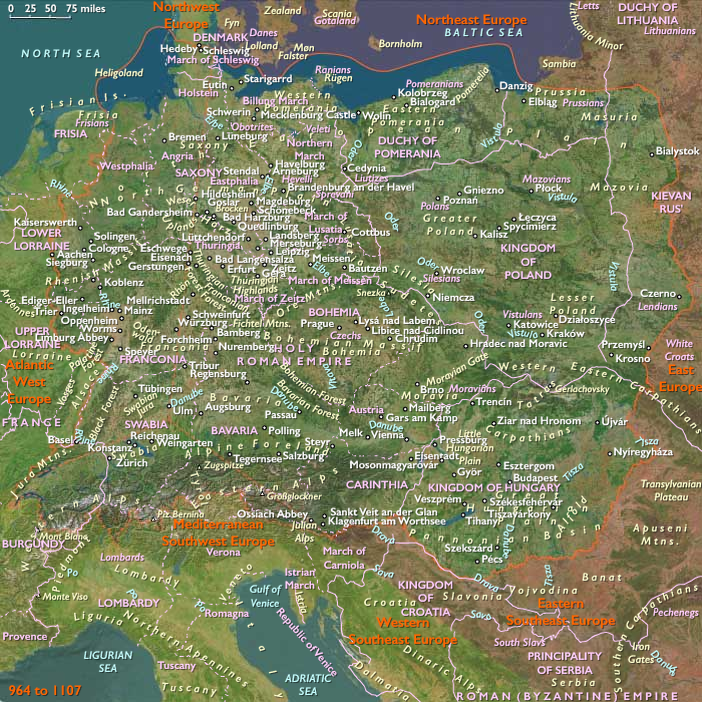
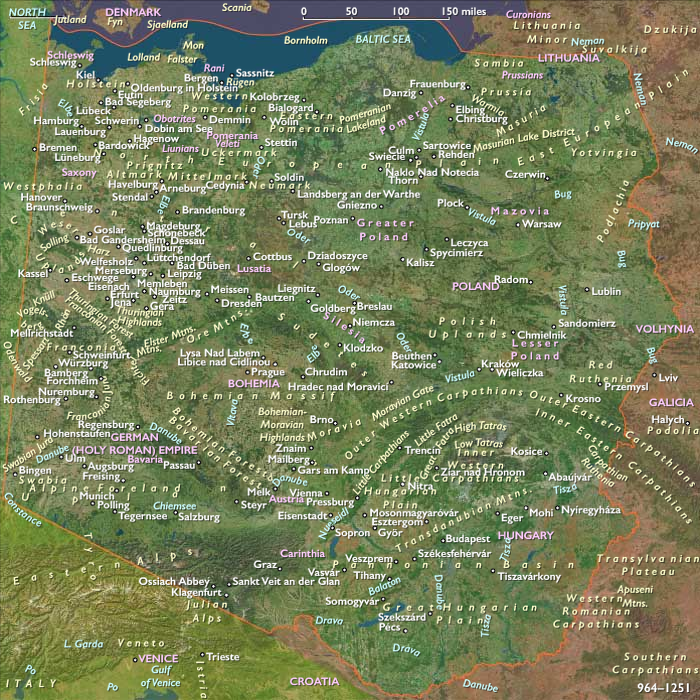
Between 1012 and 1023 CE, East Central Europe—encompassing modern-day Poland, Czechia, Slovakia, Hungary, and the eastern parts of Germany and Austria east of 10°E and north of the defined southeastern boundary—experienced dynamic shifts in political power, cultural identity, and regional influence. Bolesław I "the Brave" of Poland extended Polish dominance into Bohemia and beyond, King Stephen I consolidated Christian monarchy and administrative authority in Hungary, while the Přemyslid dynasty in Bohemia faced intense internal dynastic struggles and external pressures from Poland and the Holy Roman Empire, reshaping the region’s political landscape.
Political and Military Developments
Polish Expansion and Regional Dominance
-
Under Bolesław I, Poland significantly expanded its political influence, notably through successful military campaigns into Bohemia (briefly controlling Prague from 1003–1004) and through extended authority over parts of Moravia and Slovakia. Bolesław's strategic ambitions established Poland as a leading regional power.
Hungarian Consolidation under Stephen I
-
King Stephen I strengthened Hungary’s internal structures, firmly establishing royal authority, promoting extensive legal and administrative reforms, and securing Hungary’s international position through diplomatic alliances with the Holy Roman Empire and Poland, thus stabilizing Hungary’s emerging kingdom.
Bohemian Dynastic Instability
-
The Přemyslid dynasty experienced severe internal strife, notably between Jaromír and Oldřich, resulting in shifting political allegiances and vulnerability to external interference, particularly from Poland under Bolesław I and the Holy Roman Empire’s ongoing regional ambitions.
Imperial Influence under Henry II
-
Emperor Henry II (r. 1002–1024) intensified efforts to assert imperial authority in East Central Europe, intervening repeatedly in Bohemian affairs and challenging Bolesław’s ambitions, attempting to maintain and extend imperial dominance eastward.
Economic and Technological Developments
Expansion of Trade and Economic Networks
-
Stability in Poland and Hungary supported flourishing trade networks, enhancing regional economic prosperity. Commerce in textiles, precious metals, agricultural produce, and luxury goods linked East Central Europe closely with broader European markets.
Urban Development and Fortifications
-
Continued development of fortified urban centers characterized this era. In Poland (Gniezno, Kraków), Hungary (Esztergom, Székesfehérvár), and Bohemia (Prague), fortifications and royal administrative centers expanded, enhancing regional defense, governance, and trade.
Cultural and Artistic Developments
Polish Ecclesiastical Patronage and Royal Culture
-
Bolesław I's reign saw robust development in ecclesiastical architecture, monastic foundations, manuscript illumination, and religious scholarship, significantly influencing Poland’s cultural identity and reinforcing its integration into European Christendom.
Hungarian Royal and Christian Identity
-
King Stephen I fostered a distinctive Hungarian Christian identity by promoting ecclesiastical institutions, constructing cathedrals and monasteries, and adopting European royal traditions. These efforts profoundly shaped Hungarian medieval culture.
Bohemian Cultural Continuity Amid Instability
-
Despite internal political turmoil, Bohemia maintained vibrant cultural production, particularly in religious architecture and manuscript illumination, sustaining Prague’s role as a significant cultural and ecclesiastical center.
Settlement and Urban Development
Polish Administrative and Ecclesiastical Expansion
-
Polish cities continued robust growth as key political, religious, and economic centers. Gniezno and Kraków, in particular, expanded as hubs of royal administration and cultural life.
Hungarian Urban and Royal Development
-
Under Stephen I, Hungarian urbanization advanced significantly, notably at Esztergom and Székesfehérvár, consolidating the kingdom’s administrative structures and ecclesiastical institutions.
Bohemian Urban Stability Amid Dynastic Strife
-
Despite political instability, Prague maintained its centrality as an administrative, religious, and cultural center, continuing steady urban growth and fortification.
Social and Religious Developments
Expansion and Consolidation of Christianity
-
Christianity solidified its dominant role in societal structures across Poland, Hungary, and Bohemia. Churches, monasteries, and bishoprics reinforced social cohesion, educational institutions, and governance structures.
Strengthening Dynastic Power and Aristocracy
-
Royal and aristocratic structures intensified their political and social influence, especially in Poland and Hungary, clearly defining hierarchical governance and societal order throughout the region.
Long-Term Consequences and Historical Significance
The era 1012–1023 CE significantly shaped medieval East Central Europe, with Bolesław’s Poland reaching its territorial peak, Stephen I establishing firm foundations for a unified Hungarian monarchy, and Bohemia enduring critical dynastic turmoil. These developments solidified regional political identities, expanded cultural influence, and strengthened the institutional frameworks central to the High Medieval history of East Central Europe.
People
Groups
- Polytheism (“paganism”)
- Franks
- Saxons
- Germans
- Hungarian people
- Wends, or Sorbs (West Slavs)
- Christianity, Chalcedonian
- Bavarians (West Germanic tribe)
- Polans, Western (West Slavic tribe)
- Thuringia, Duchy of
- Thuringia, (Frankish) Duchy of
- Carantania
- Carantanians
- Frankish, or Carolingian (Roman) Empire
- Saxony, Duchy of
- Moravia, Great, Kingdom of
- Francia Orientalis (East Francia), Kingdom of
- Roman Empire, Eastern: Macedonian dynasty
- Bohemia, Duchy of
- Bavaria, Ottonian Duchy of
- Holy Roman Empire
- German, or Ottonian (Roman) Empire
- Germany, Kingdom of (within the Holy Roman Empire)
- Poland, Principality of
- Hungary, Kingdom of
Topics
Commodoties
Subjects
Regions
Subregions
Related Events
Showing 10 events out of 51826 total
Years: 1012 - 1023
People
Groups
- Polytheism (“paganism”)
- Franks
- Saxons
- Germans
- Hungarian people
- Wends, or Sorbs (West Slavs)
- Christianity, Chalcedonian
- Bavarians (West Germanic tribe)
- Polans, Western (West Slavic tribe)
- Thuringia, Duchy of
- Thuringia, (Frankish) Duchy of
- Carantania
- Carantanians
- Frankish, or Carolingian (Roman) Empire
- Saxony, Duchy of
- Moravia, Great, Kingdom of
- Francia Orientalis (East Francia), Kingdom of
- Roman Empire, Eastern: Macedonian dynasty
- Bohemia, Duchy of
- Bavaria, Ottonian Duchy of
- Holy Roman Empire
- German, or Ottonian (Roman) Empire
- Germany, Kingdom of (within the Holy Roman Empire)
- Poland, Principality of
- Hungary, Kingdom of
Topics
Commodoties
Subjects
Regions
Subregions