
Dutch explorer Jan Carstenszoon, commissioned in 1623 …
Years: 1623 - 1623
Dutch explorer Jan Carstenszoon, commissioned in 1623 by the Dutch East India Company to lead an expedition to the southern coast of New Guinea and beyond, to follow up the reports of land sighted further south in the 1606 voyages of Willem Janszoon in the Duyfken, had set sail from Amboyna in the Dutch East Indies with two ships, the Pera and Arnhem (captained by Willem Joosten Van Colster).
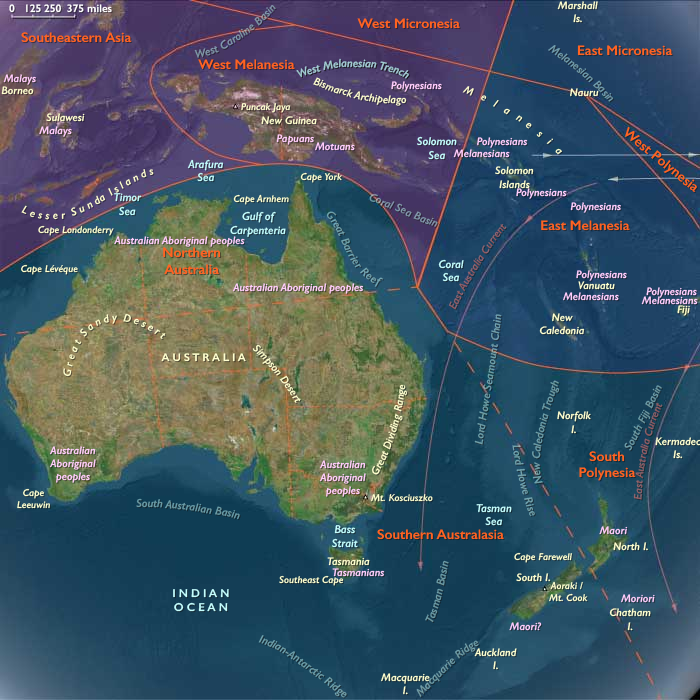
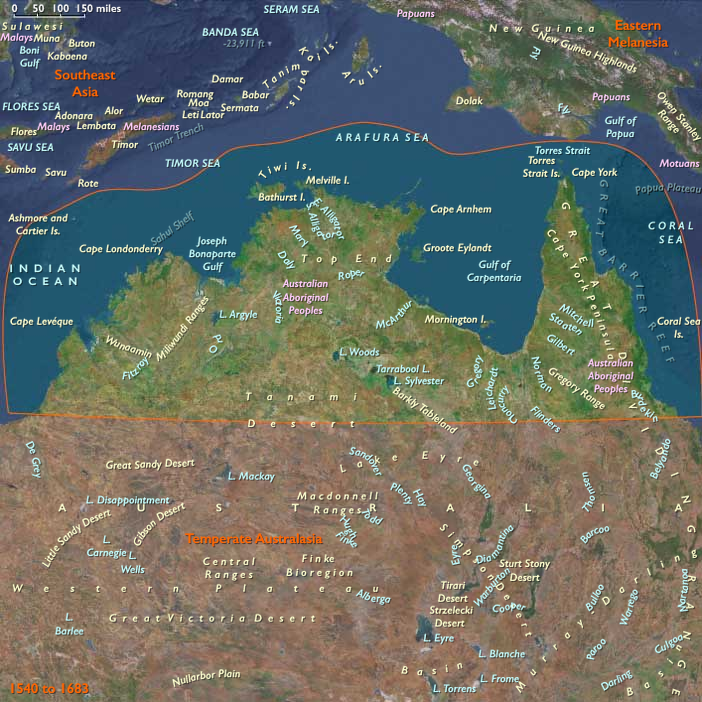
The ships travel along the south coast of New Guinea, then head south to Cape York Peninsula and the Gulf of Carpentaria.
Cape Keerweer is passed on April 14, 1623.
Landing in search of fresh water for his stores, Carstenszoon encounters a party of the local indigenous Australian inhabitants.
Carstenszoon describes them as "poor and miserable looking people" who have "no knowledge of precious metals or spices".
Carstenszoon and his crew fight a skirmish on May 8, 1623, with two hundred Aborigines at the mouth of a small river near Cape Duyfken (named after Janszoon's vessel which had earlier visited the region) and land at the Pennefather River.
Carstenszoon names the small river Carpentier River, and the Gulf of Carpentaria in honor of Pieter de Carpentier, at this time Governor-General of the Dutch East Indies.
Carstenszoon reaches the Staaten River before heading north again.
The Pera and Carstenszoon return to Ambon while the Arnhem crosses the Gulf of Carpentaria, sighting the the region between Roper and Victoria Rivers in present Australia’s Northern Territory and naming it Arnhem Land after the name of his ship.
Locations
Groups
- Australians, Indigenous
- Netherlands, United Provinces of the (Dutch Republic)
- Dutch East India Company (Vereenigde Oostindische Compagnie or VOC in Dutch, literally "United East Indies Company")
Topics
Commodoties
Subjects
Regions
Subregions
Related Events
Showing 10 events out of 32938 total
Years: 1623 - 1623
Locations
Groups
- Australians, Indigenous
- Netherlands, United Provinces of the (Dutch Republic)
- Dutch East India Company (Vereenigde Oostindische Compagnie or VOC in Dutch, literally "United East Indies Company")
Topics
Commodoties
Subjects
Regions
Subregions