
The population of Gondar is estimated to …
Years: 1696 - 1707
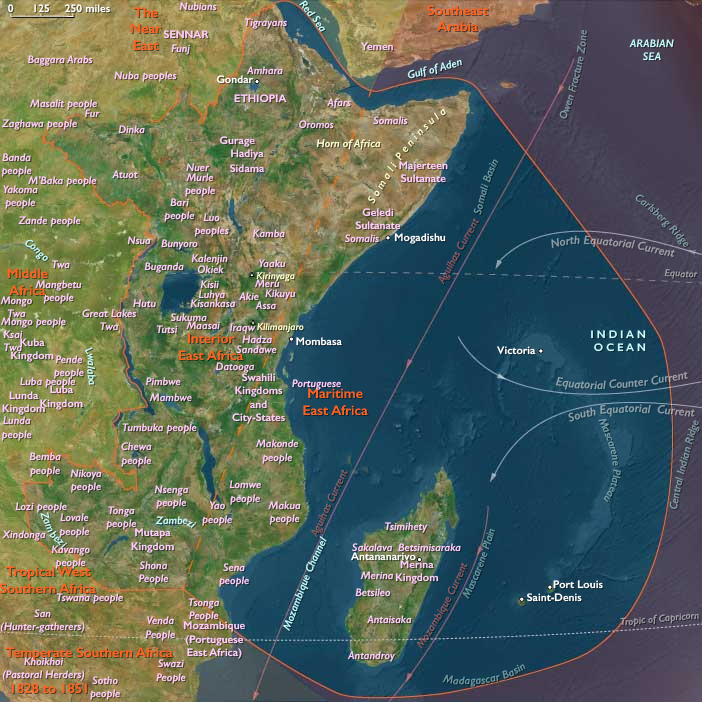
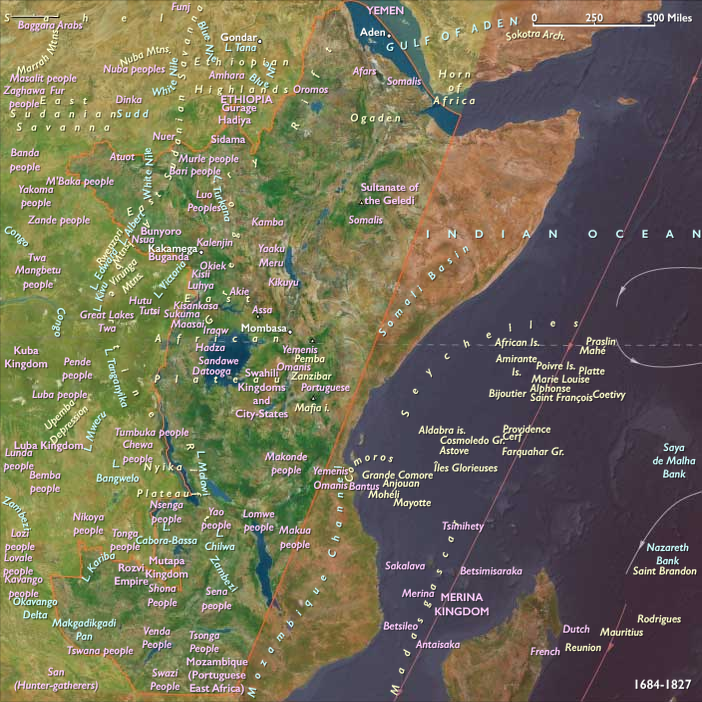
The population of Gondar is estimated to have exceeded sixty thousand during the seventeenth century.
Many of the buildings from this period survive, despite the turmoil of the eighteenth century.
Gondar has acquired a sense of community identity by the reign of Iyasu the Great: when the Emperor calls upon the inhabitants to decamp and follow him on his campaign against the Oromo in Damot and Gojjam, as had the court and subjects of earlier emperors, they refuse.
Although Gondar is by any definition a city, it is not a melting pot of diverse traditions, nor Ethiopia's window to the larger world, according to Donald Levine.
"It served rather as an agent for the quickened development of the Amhara's own culture. And thus it became a focus of national pride... not as a hotbed of alien custom and immorality, as they often regard Addis Ababa today, but as the most perfect embodiment of their traditional values." (Donald N. Levine, Wax and Gold: Tradition and Innovation in Ethiopia Culture (Chicago: University Press, 1972), p. 42).
As Levine elaborates in a footnote, it is an orthogenetic pattern of development, as distinguished from an heterogenetic one.
Locations
People
Groups
Subjects
Regions
Subregions
Years: 1696 - 1707
Locations
People
Groups
Subjects
Regions
Subregions