
The struggle for power at the Gurkha …
Years: 1684 - 1827
The struggle for power at the Gurkha court has unfortunate consequences for both Nepal's foreign affairs and for internal administration.
All parties try to satisfy the army in order to avoid interference in court affairs by leading commanders, and the military is given a free hand to pursue ever larger conquests.
As long as the Gurkhas are invading disunited hill states, this policy—or lack of policy—is adequate. Inevitably, continued aggression will lead Nepal into disastrous collisions with the Chinese, then with the British.
At home, because power struggles center on control of the king, there is little progress in sorting out procedures for sharing power or expanding representative institutions.
A consultative body of nobles, a royal court called the Assembly of Lords (Bharadari Sabha), is in place after 1770 and it has substantial involvement in mayor policy issues.
The assembly consists of high government officials and leading courtiers, all heads of important Gurkha families.
In the intense atmosphere surrounding the monarch, however, the Assembly of Lords breaks into factions that fight for access to the prime minister or regent, and alliances develop around patron/client relationships.
Locations
People
Groups
- Kirat people
- Bengalis
- Persian people
- Pashtun people (Pushtuns, Pakhtuns, or Pathans)
- Buddhism
- Khas peoples
- Indian people
- Chinese (Han) people
- Tibetan people
- Rajasthan, Rajput Kingdoms of
- Rajputs
- Islam
- Muslims, Sunni
- Newar people
- Gurkha
- Tibet, Lamacracy of
- Bhutan, Kingdom of
- Sikkim, Kingdom of
- Chinese Empire, Qing (Manchu) Dynasty
- Mughal Empire (Delhi)
- Britain, Kingdom of Great
- East India Company, British (United Company of Merchants of England Trading to the East Indies)
- India, East India Company rule in
- Bengal Presidency
- Nepal, Shah Kingdom of
Topics
Subjects
Regions
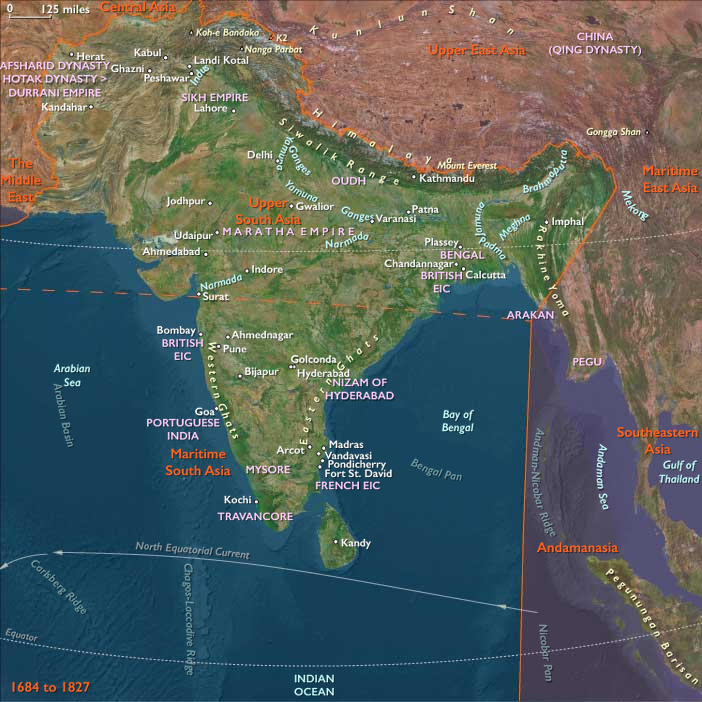
Subregions
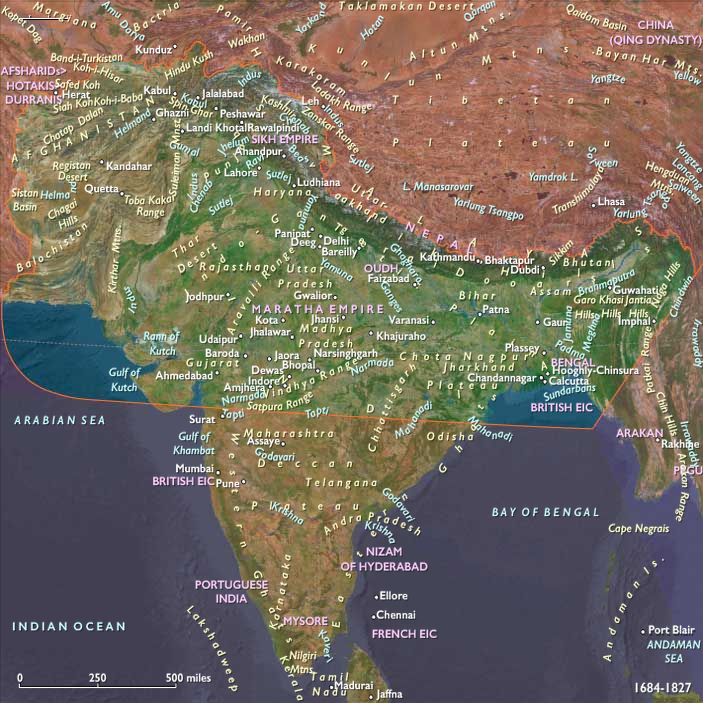
Years: 1684 - 1827
Locations
People
Groups
- Kirat people
- Bengalis
- Persian people
- Pashtun people (Pushtuns, Pakhtuns, or Pathans)
- Buddhism
- Khas peoples
- Indian people
- Chinese (Han) people
- Tibetan people
- Rajasthan, Rajput Kingdoms of
- Rajputs
- Islam
- Muslims, Sunni
- Newar people
- Gurkha
- Tibet, Lamacracy of
- Bhutan, Kingdom of
- Sikkim, Kingdom of
- Chinese Empire, Qing (Manchu) Dynasty
- Mughal Empire (Delhi)
- Britain, Kingdom of Great
- East India Company, British (United Company of Merchants of England Trading to the East Indies)
- India, East India Company rule in
- Bengal Presidency
- Nepal, Shah Kingdom of
Topics
Subjects
Regions
Subregions