
Dürer works on numerous theoretical treatises, including …
Years: 1527 - 1527
Dürer works on numerous theoretical treatises, including one on the art of fortifications.
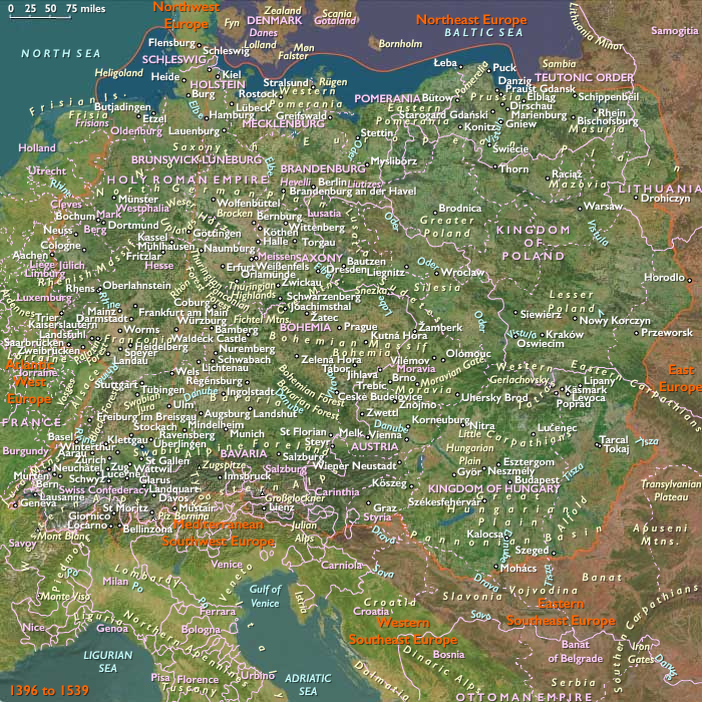
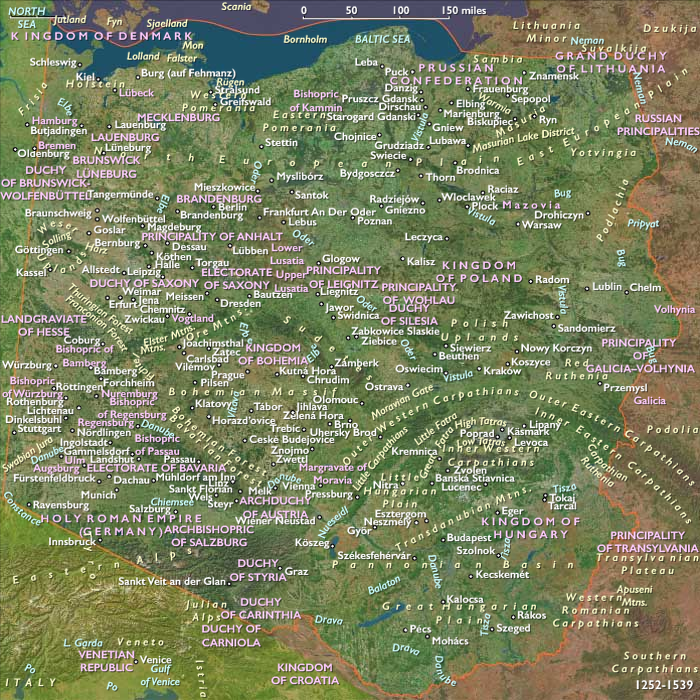
He explicitly states medieval theories of the city form in his idealized fortified capital of a kingdom in Etliche Underricht zu Befestigung der Stett, Schlosz und Flecken (“Guide to the Fortification of City, Castle, and Town”).
Published in 1527, the work’s rigid spatial organization groups classes by social status and segregates such noxious buildings as slaughterhouses, tanneries, and ironworks.
In all his theoretical works, in order to communicate his theories in the German language rather than in Latin, Dürer uses graphic expressions based on a vernacular, craftsmen's language.
For example, 'Schneckenlinie' ('snail-line') is his term for a spiral form.
Thus, Dürer contributes to the expansion in German prose that Martin Luther had begun with his translation of the Bible.
Now internationally celebrated for his woodcuts, engravings, and paintings, he also creates many drawings and watercolor studies of landscapes, animals, and people that reveal the constantly searching, inquisitive quality of his mind.
The complex symbolism in Dürer’s work reflects the artist’s concerns for theoretical matters, scholarly and literary pursuits, and anxieties caused by the turmoil of the beginnings of the Reformation.
Locations
People
Groups
Topics
Subjects
- Language
- Symbols
- Writing
- Engineering
- Painting and Drawing
- Theory
- Government
- Custom and Law
- Movements
Regions
Subregions
Years: 1527 - 1527
Locations
People
Groups
Topics
Subjects
- Language
- Symbols
- Writing
- Engineering
- Painting and Drawing
- Theory
- Government
- Custom and Law
- Movements
Regions
Subregions