
…Dover in 1217. Louis, on landing …
Years: 1217 - 1217
May
…Dover in 1217.
Louis, on landing in England the previous year, had captured all of the Cinque Ports in the southeast, except for Dover, where Hubert de Burgh has stubbornly held out against a siege of many months.
Locations
People
- Eustace the Monk
- Henry III of England
- Hubert de Burgh 1st Earl of Kent
- Louis VIII of France
- Stephen Langton
- William Marshal
Groups
- Alba (Scotland), Scots Kingdom of
- France, (Capetian) Kingdom of
- Catharism (Albigenses)
- England, (Plantagenet, Angevin) Kingdom of
Topics
Commodoties
Subjects
Regions
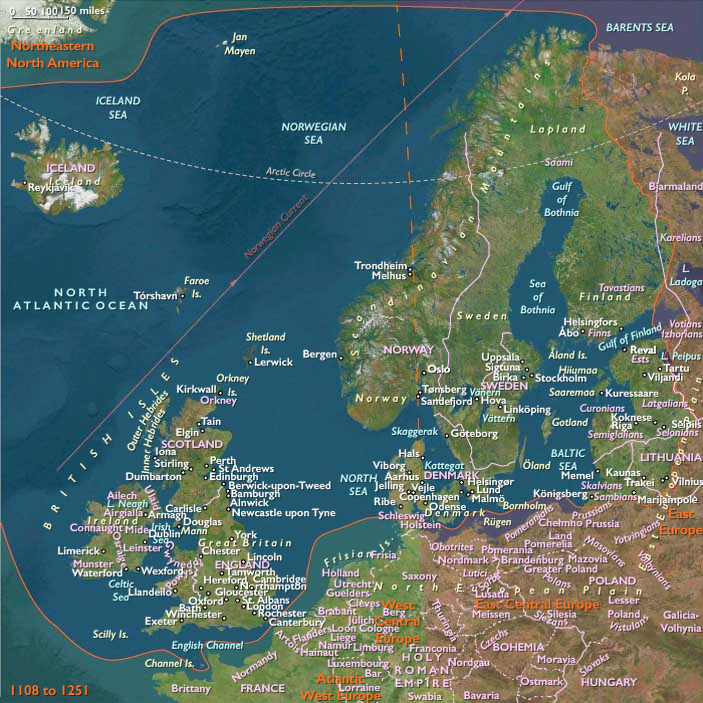
Subregions
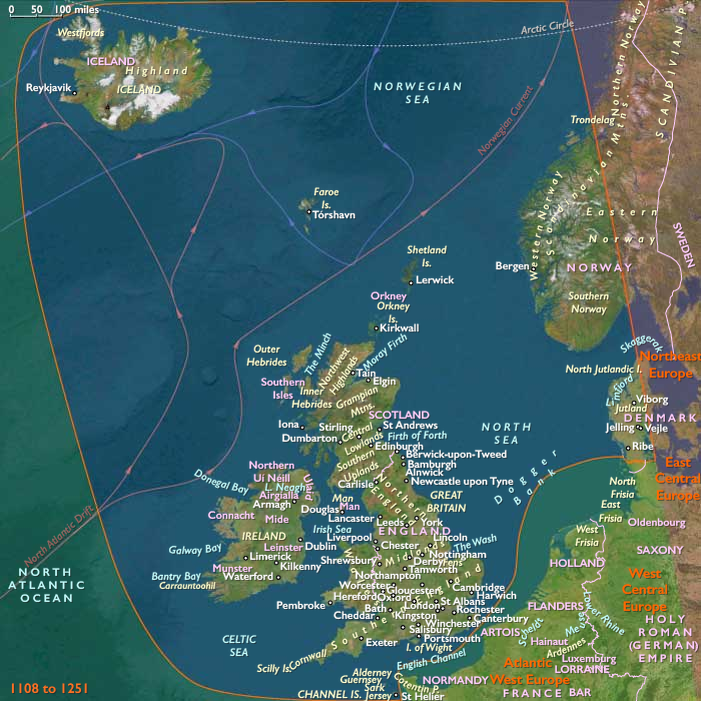
Related Events
Showing 10 events out of 47257 total
Years: 1217 - 1217
May
Locations
People
- Eustace the Monk
- Henry III of England
- Hubert de Burgh 1st Earl of Kent
- Louis VIII of France
- Stephen Langton
- William Marshal
Groups
- Alba (Scotland), Scots Kingdom of
- France, (Capetian) Kingdom of
- Catharism (Albigenses)
- England, (Plantagenet, Angevin) Kingdom of
Topics
Commodoties
Subjects
Regions
Subregions