
...Douai, and Orchies, which were …
Years: 1305 - 1305
June
- ...Douai, and Orchies, which were economic powerhouses due to their cloth fairs, were ceded to the French Crown, significantly weakening Flanders’ economic power.
- Flemish leaders were made to submit to humiliating acts of atonement, reinforcing Philip IV’s dominance.
Continued Flemish Resistance
- Despite the treaty, the Flemish townsmen strongly resisted full ratification of its terms.
- The independent and defiant Flemish cities, particularly Ghent and Bruges, continued to resent French influence, leading to ongoing friction between the two sides.
- The treaty did not resolve underlying tensions, and Flanders remained a hotbed of unrest, leading to further revolts and conflicts in the following decades.
Impact on Franco-English Relations
- The treaty intensified tensions between France and England, as Flemish-English trade relations remained strong, especially in the wool trade.
- The French economic stranglehold over Flanders made the Flemish cities look increasingly to England for support, contributing to the deepening Anglo-French rivalry that would eventually lead to the Hundred Years’ War (1337–1453).
Legacy
The Treaty of Athis-sur-Orge (1305) was a short-term success for Philip IV, securing territorial and economic gains. However, it failed to pacify Flanders, as Flemish opposition to French rule remained a constant source of conflict, shaping the political landscape of Northern Europe for the next century.
Locations
People
Groups
- Flanders, County of
- France, (Capetian) Kingdom of
- Utrecht, Bishopric of
- Hainaut, County of
- Holland, County of
- Brabant, Duchy of
Topics
Commodoties
Subjects
Regions
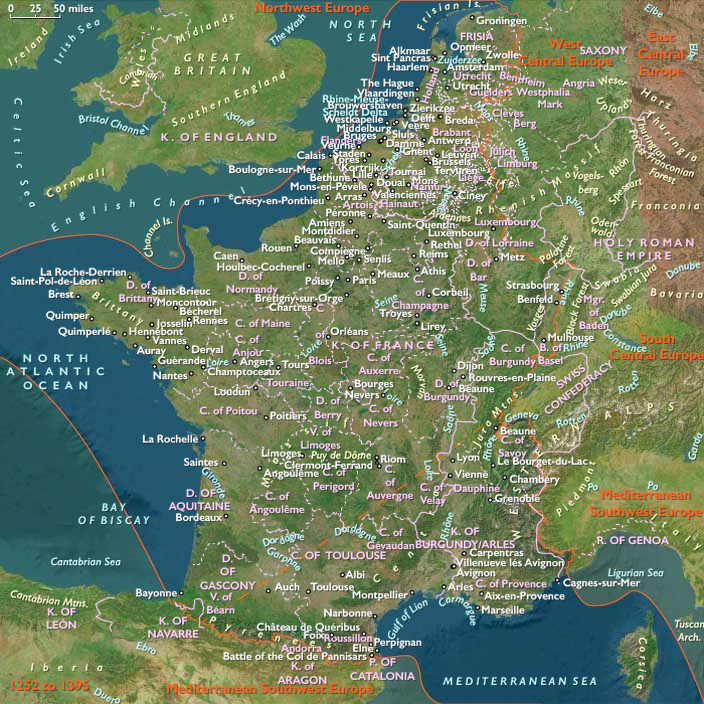
Subregions
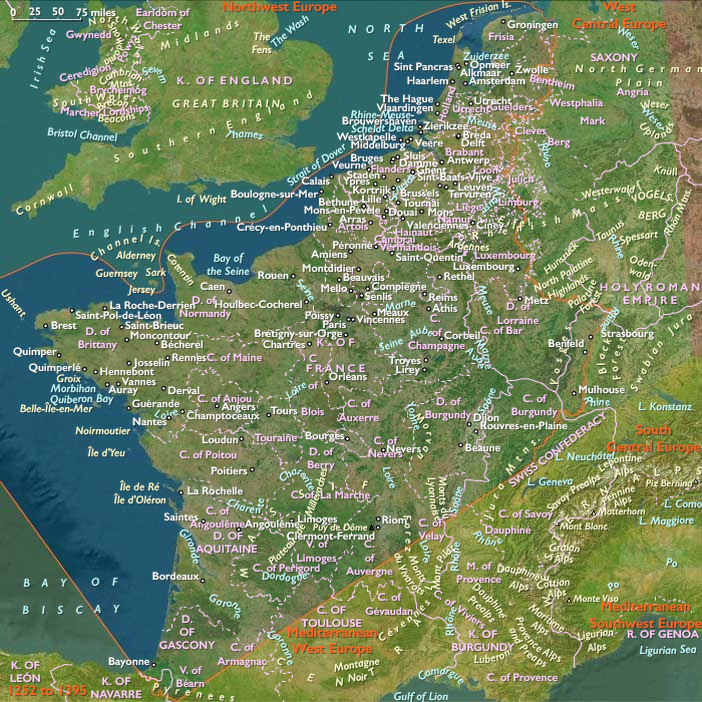
Related Events
Showing 10 events out of 44984 total
Years: 1305 - 1305
June
Locations
People
Groups
- Flanders, County of
- France, (Capetian) Kingdom of
- Utrecht, Bishopric of
- Hainaut, County of
- Holland, County of
- Brabant, Duchy of
Topics
Commodoties
Subjects
Regions
Subregions