
The Peak of Raiding in Central and …
Years: 940 - 951
The Peak of Raiding in Central and Western Europe (9th–10th Century): The Triple Threat
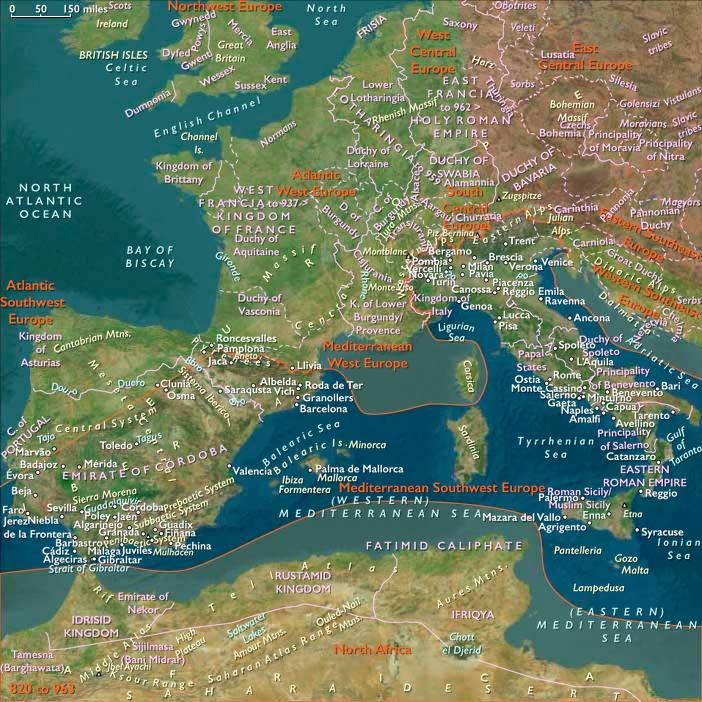
During the late 9th and early 10th centuries, Europe is battered by relentless raiding forces, disrupting social, economic, and political stability across the continent. The three main groups of raiders—the Vikings, Magyars, and Arab Corsairs—attack from three different fronts, weakening centralized monarchies and accelerating the rise of feudalism as local rulers take defensive measures into their own hands.
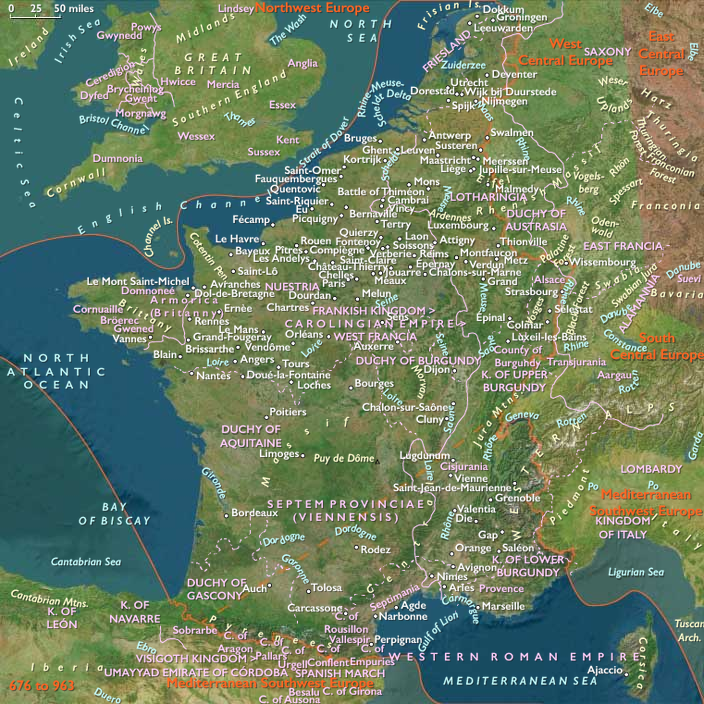
1. The Viking Raids (North and West Europe)
- Origins: Norse seafarers from Scandinavia (Denmark, Norway, and Sweden).
- Targets:
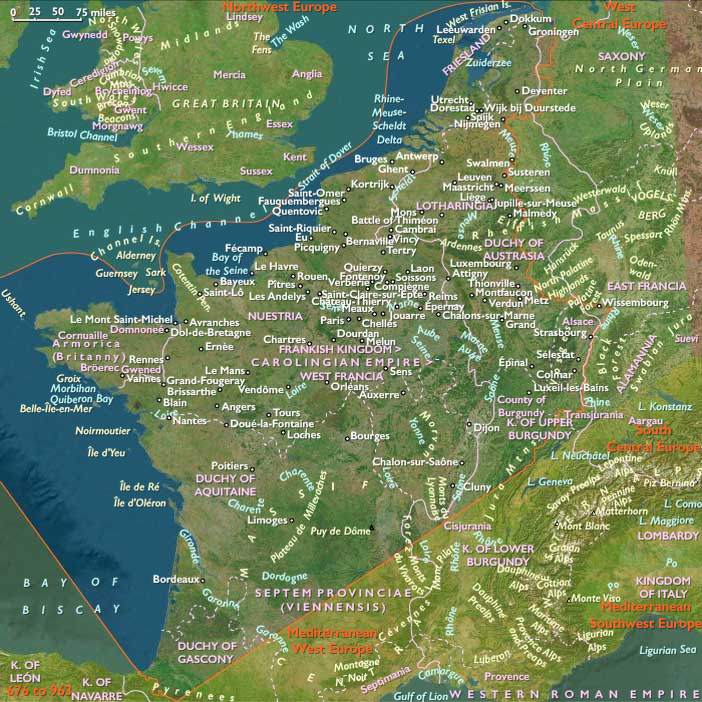
- France – Raiding Paris, Rouen, and the Loire Valley; Normandy is created as a Viking settlement.
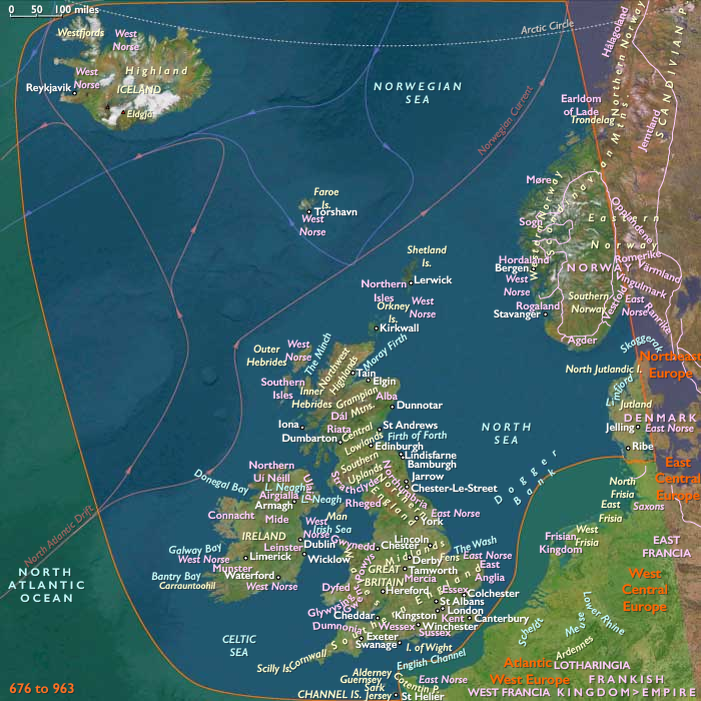
- British Isles – Raiding and settling in Northumbria, Wessex, and Ireland.
- Low Countries – Dorestad, Frisia, and other riverine towns sacked repeatedly.
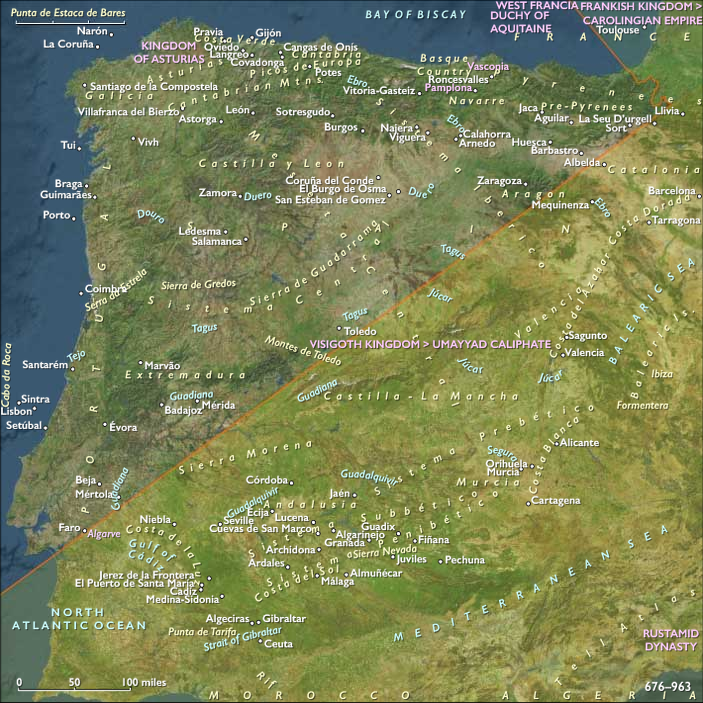
- Iberian Peninsula – Viking fleets raid Al-Andalus and the Christian kingdoms of Spain and Portugal.
- Impact:
- Coastal and riverine trade routes devastated.
- Fortified towns and bridges built to block Viking longships.
- Rise of local warlords who organize defenses independently from central rulers.
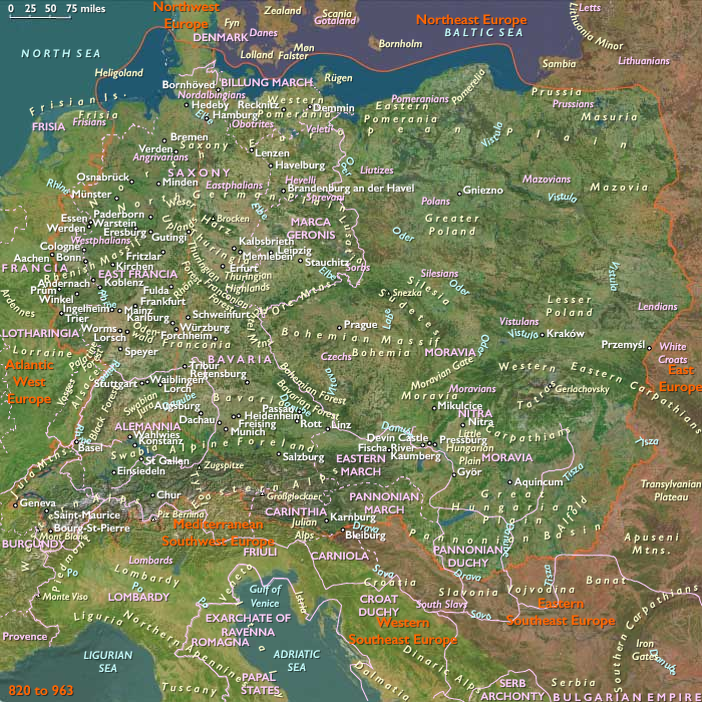
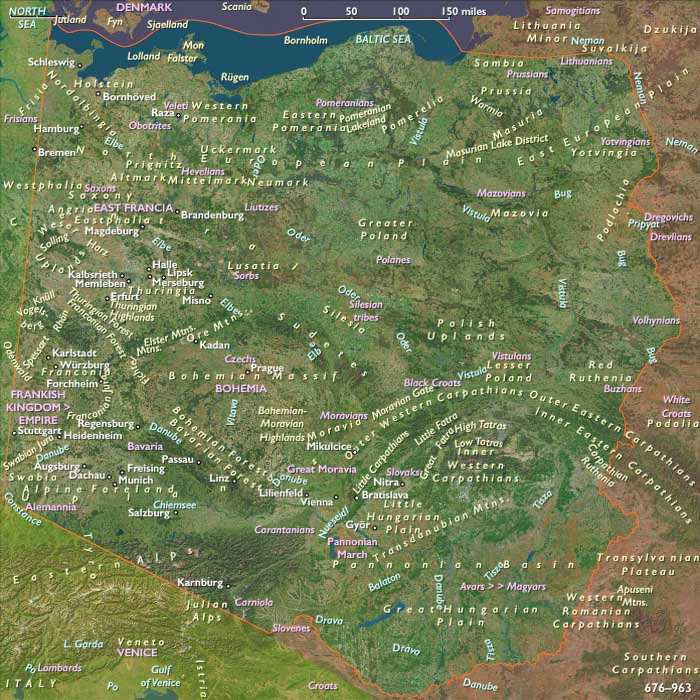
2. The Magyar Raids (East and Central Europe)
- Origins: Nomadic horsemen from the Eurasian steppes, settling in Pannonia (modern Hungary).
- Targets:
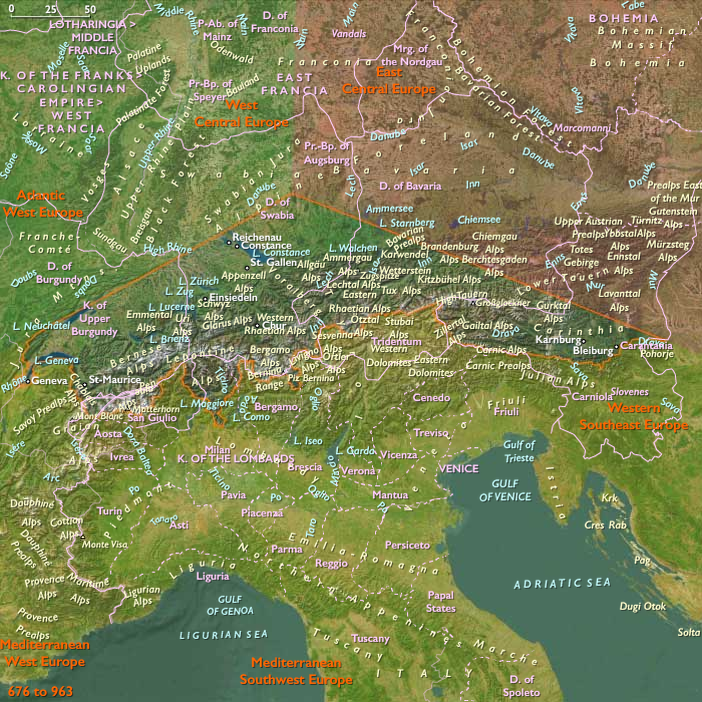
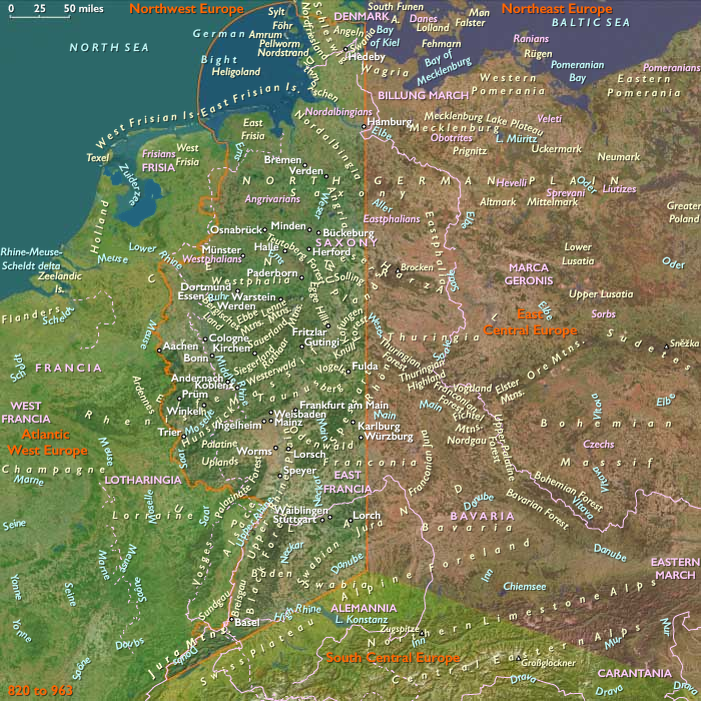
- Germany – Raiding Bavaria, Saxony, and Lotharingia (e.g., the attack on Alsace in 917).
- Italy – Pillaging Lombardy, Tuscany, and Rome’s hinterlands.
- France – Magyar horsemen penetrate Burgundy and the Rhône Valley, reaching as far as Reims in 926.
- Impact:
- Royal armies unable to counter Magyar mobility.
- Local rulers build stone fortresses and rely on cavalry forces for defense.
- Hungarians are finally defeated at the Battle of Lechfeld (955) by Otto I of Germany.
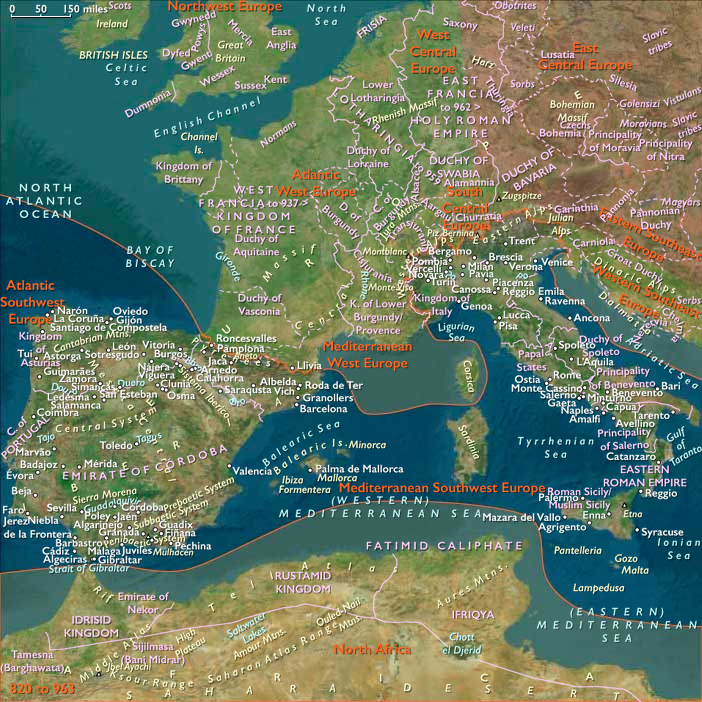
3. The Arab Corsair Raids (Mediterranean Europe)
- Origins: Muslim pirates and raiders from North Africa and Al-Andalus.
- Targets:
- Italy – Raiding Sicily, Corsica, and the mainland, even attacking Rome in 846.
- France – Establishing pirate bases in Provence and the Rhône Valley.
- Spain – Raiding Christian kingdoms in the north and defending Muslim strongholds in Al-Andalus.
- Impact:
- Mediterranean trade severely disrupted, forcing European merchants to move inland.
- Venice and other coastal cities fortify their harbors.
- Frankish rulers struggle to maintain control over the southern frontier.
The Consequences: Feudalism and the Decline of Centralized Rule
- Weakened Monarchies: Kings are unable to mount effective nationwide defenses, leading to localized military responses.
- Rise of Feudal Lords: Nobles take defensive matters into their own hands, building fortresses and raising private armies.
- Shift in Trade and Economy:
- River and coastal trade declines, as travel becomes dangerous.
- Local economies become more self-sufficient, reinforcing feudalism.
Conclusion: The Age of Raiding Reshapes Europe
The triple wave of invasions—Viking, Magyar, and Arab—reshapes medieval Europe, leading to:
- The military rise of local lords (e.g., Robertians in France, Ottonians in Germany).
- The decline of centralized monarchies and the strengthening of feudal territories.
- The fortification of Europe, with castles, walled towns, and cavalry forces becoming the primary form of defense.
This period marks the transformation of Europe into a feudal society, where protection and power shift from royal dynasties to regional warlords, shaping the political landscape for centuries to come.
Groups
Topics
- Arab-Byzantine Wars
- Viking Raids in Ireland
- Viking Raids
- Viking Raids in the North Sea
- Hungarian invasions of Europe
- Viking Raids in France, Later
- Viking Raids in England, Later
Commodoties
Subjects
Regions

Subregions
- East Central Europe
- South Central Europe
- Mediterranean Southwest Europe
- Atlantic Southwest Europe
- Atlantic West Europe
- West Central Europe
- Northwest Europe
Related Events
Showing 10 events out of 53052 total
Years: 940 - 951
Groups
Topics
- Arab-Byzantine Wars
- Viking Raids in Ireland
- Viking Raids
- Viking Raids in the North Sea
- Hungarian invasions of Europe
- Viking Raids in France, Later
- Viking Raids in England, Later
Commodoties
Subjects
Regions
Subregions
- East Central Europe
- South Central Europe
- Mediterranean Southwest Europe
- Atlantic Southwest Europe
- Atlantic West Europe
- West Central Europe
- Northwest Europe