
Diocletian’s Rise and the Transformation of the …
Years: 280 - 291
Diocletian’s Rise and the Transformation of the Roman Empire (284–305 CE)
In 284 CE, Diocletian was hailed as Imperator by the eastern legions, marking the beginning of his mission to restore stability to the Roman Empire after the prolonged Crisis of the Third Century (235–284 CE). Through sweeping political, economic, and military reforms, he restructured imperial governance, ensuring a stronger and more enduring state.
The Tetrarchy: A New System of Rule
To address the empire’s administrative and military challenges, Diocletian established the Tetrarchy, a system of shared imperial rule among four emperors:
- Diocletian – Augustus of the East, based in Nicomedia (Asia Minor).
- Maximian – Augustus of the West, based in Mediolanum (Milan).
- Galerius – Caesar of the East, subordinate to Diocletian.
- Flavius Constantius – Caesar of the West, subordinate to Maximian.
This system provided greater regional control, allowing for faster military response times and more efficient administration, particularly along the vulnerable frontiers.
Reforms and Military Campaigns
-
Economic and Taxation Reforms
- Diocletian stabilized the economy by reforming taxation, ensuring a steady flow of revenue to fund the military and administration.
- He introduced the Edict on Maximum Prices (301 CE) to combat inflation, though it had limited success.
-
Military Campaigns and Border Security
- He expelled the Sassanid Persians from Syria, reestablishing Roman dominance in the East.
- Alongside Maximian, he successfully defeated Germanic and other barbarian tribes, securing Rome’s frontiers.
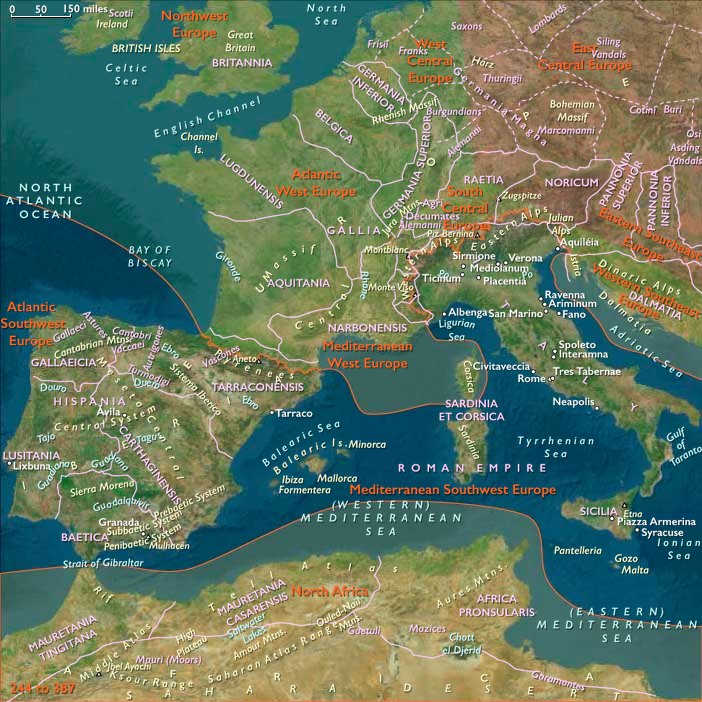
- Strengthened Rome’s defensive infrastructure, including fortifying the Danube and Rhine borders.
Imperial Authority and Eastern Influence
Diocletian fundamentally changed the nature of Roman rule, adopting autocratic practices influenced by Eastern monarchies:
- Introduced ornate imperial regalia, including pearls, golden sandals, and elaborate robes.
- Instituted strict court ceremonies, requiring subjects to prostrate themselves before the emperor(proskynesis), a custom borrowed from Persian and Hellenistic courts.
- Unlike Augustus and his successors, who maintained the illusion of a restored Republic, Diocletian openly embraced absolute rule, making it clear that the emperor was above all others.
Legacy: The Transformation of the Roman Empire
- The Tetrarchy provided temporary stability, but after Diocletian’s abdication in 305 CE, it soon collapsed, leading to a civil war between rival claimants.
- However, his administrative and military reforms strengthened Rome, delaying the fall of the Western Roman Empire and shaping the governance of the Byzantine Empire.
- His authoritarian model of rule influenced later emperors, transitioning Rome from the principate (early empire) to the dominate (late empire), marking the beginning of Late Antiquity.
Diocletian’s reforms and centralized rule redefined the Roman state, transforming it into a more autocratic and militarized empire, ensuring its survival for another century in the West and over a millennium in the East.
People
Groups
- Persian people
- Britons (historical)
- Britain, Roman
- Persian Empire, Sassanid, or Sasanid
- Britannic Empire
Topics
- Crisis of the Third Century (Roman Civil “War” of 235-84)
- Roman-Persian War of 282-83
- Roman Civil War of 284-85
Commodoties
Subjects
- Commerce
- Labor and Service
- Fashion
- Decorative arts
- Conflict
- Faith
- Government
- Custom and Law
- Technology
- Economics
Regions
- The Near and Middle East
- Southeast Europe
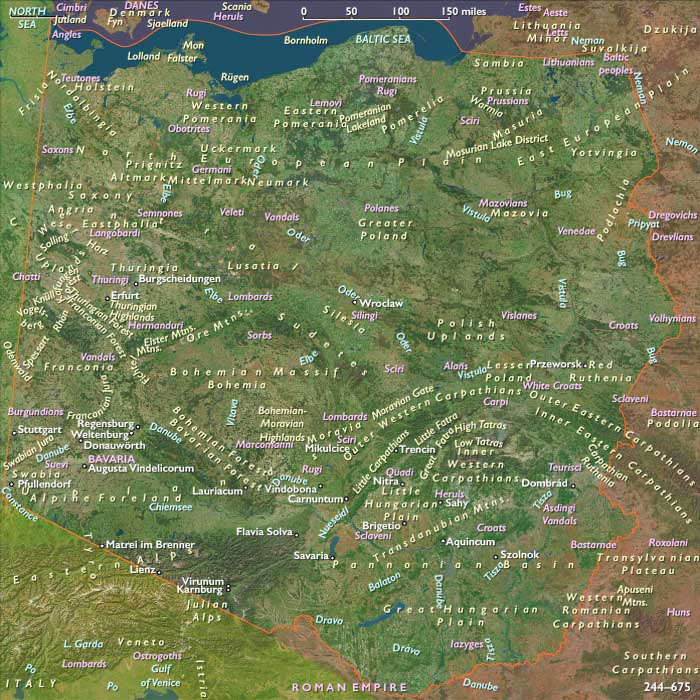
- Central Europe
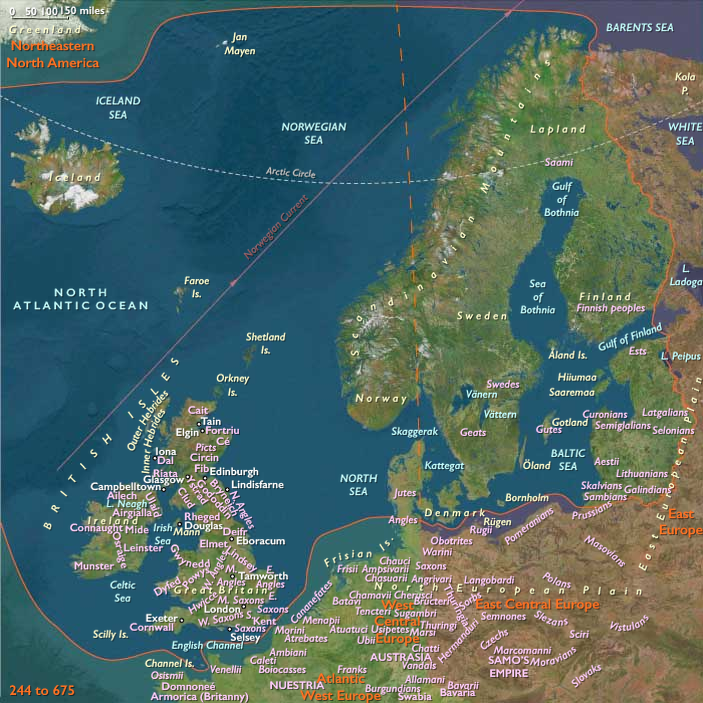
- West Europe
- North Europe
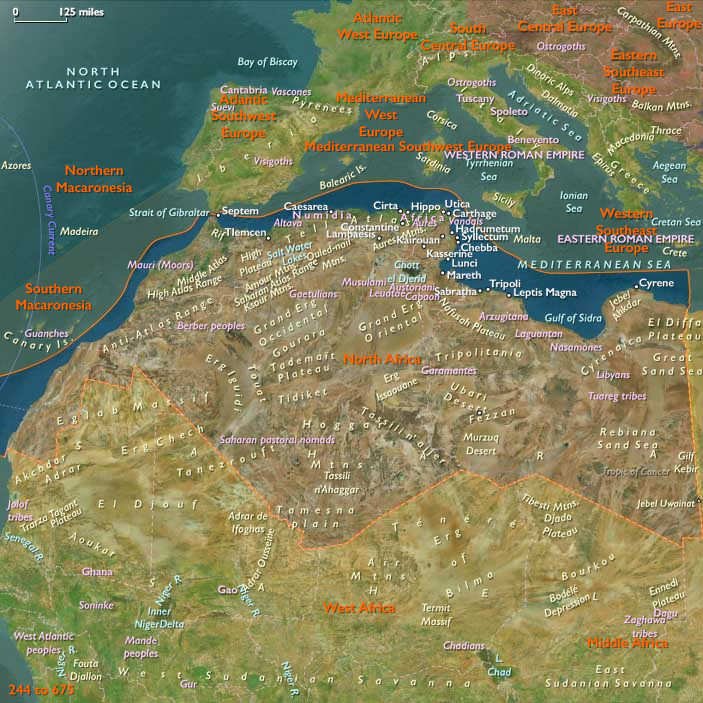
- North Africa
- Southwest Europe
Subregions
- East Central Europe
- Eastern Southeast Europe
- Middle East
- Near East
- Western Southeast Europe
- South Central Europe
- Mediterranean West Europe
- Mediterranean Southwest Europe
- North Africa
- Atlantic Southwest Europe
- Atlantic West Europe
- West Central Europe
- Northwest Europe
Related Events
Showing 10 events out of 60185 total
Years: 280 - 291
People
Groups
- Persian people
- Britons (historical)
- Britain, Roman
- Persian Empire, Sassanid, or Sasanid
- Britannic Empire
Topics
- Crisis of the Third Century (Roman Civil “War” of 235-84)
- Roman-Persian War of 282-83
- Roman Civil War of 284-85
Commodoties
Subjects
- Commerce
- Labor and Service
- Fashion
- Decorative arts
- Conflict
- Faith
- Government
- Custom and Law
- Technology
- Economics
Regions
- The Near and Middle East
- Southeast Europe
- Central Europe
- West Europe
- North Europe
- North Africa
- Southwest Europe
Subregions
- East Central Europe
- Eastern Southeast Europe
- Middle East
- Near East
- Western Southeast Europe
- South Central Europe
- Mediterranean West Europe
- Mediterranean Southwest Europe
- North Africa
- Atlantic Southwest Europe
- Atlantic West Europe
- West Central Europe
- Northwest Europe