
Despite heavy opium consumption, Southeast Asia does …
Years: 1954 - 1954
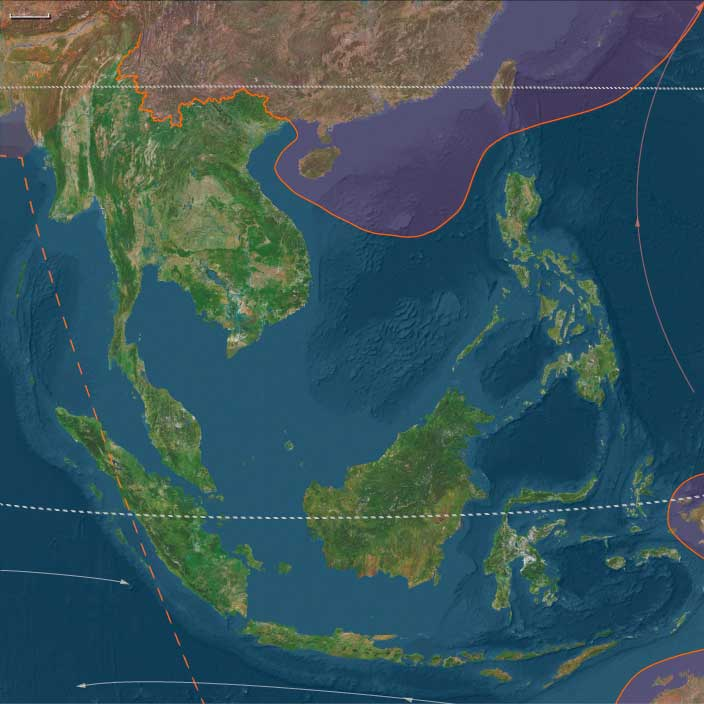
Despite heavy opium consumption, Southeast Asia does not become a significant opium producer until the 1950s, a full century after China.
During the First Indochina War (1947-54), French intelligence officers, denied funds by the National Assembly, merge the opium supply of Laos with the drug demand of Saigon to fund covert operations against Vietnam's communists.
After the French colonial regime abolishes the Opium Monopoly in 1950, military intelligence assumes control of the drug trade.
French paratroopers fighting with Hmong guerrillas in Laos and Tonkin ship their clients' opium south to Saigon on French military aircraft where it is sold in smoking dens run by the Binh Xuyen bandits, a criminal syndicate that controls the city.
Through this operation, French intelligence, particularly the SDECE, integrates narcotics into Indochina's political economy and its anti-Communist political forces.
Locations
Groups
Topics
Commodoties
Subjects
Regions
Related Events
Showing 10 events out of 4416 total
Years: 1954 - 1954
Locations
Groups
Topics
Commodoties
Subjects
Regions