
Daniel Boone had first reached Kentucky in …
Years: 1773 - 1773
October
Daniel Boone had first reached Kentucky in the fall of 1767 when on a long hunt with his brother Squire Boone, Jr.
While on the Braddock expedition years earlier, Boone had heard about the fertile land and abundant game of Kentucky from fellow wagoner John Findley, who had visited Kentucky to trade with natives.
Boone and Findley had happened to meet again, and Findley had encouraged Boone with more tales of Kentucky.
News had arrived at the same time about the Treaty of Fort Stanwix, in which the Iroquois had ceded their claim to Kentucky to the British.
This, as well as the unrest in North Carolina due to the Regulator movement, had likely prompted Boone to extend his exploration.
Boone had begun a two-year hunting expedition in Kentucky on May 1, 1769.
He and a fellow hunter had been captured on December 22, 1769, by a party of Shawnees, who had confiscated all of their skins and told them to leave and never return.
The Shawnees had not signed the Stanwix treaty; regarding Kentucky as their hunting ground, they consider white hunters here to be poachers.
Boone, however, had continued hunting and exploring Kentucky until his return to North Carolina in 1771, and had returned to hunt there again in the autumn of 1772.
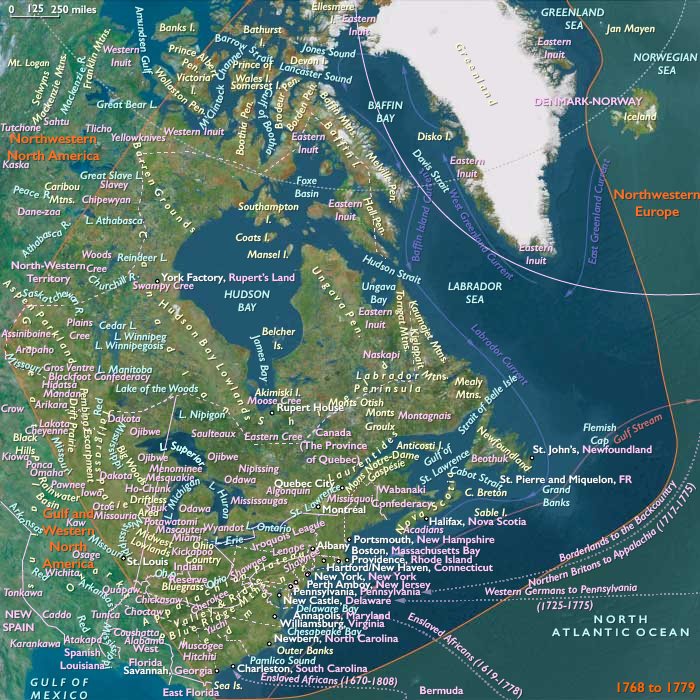
Boone packs up his family and on September 25, 1773, with a group of about fifty emigrants, begins the first attempt by British colonists to establish a settlement in Kentucky.
Boone is still an obscure hunter and trapper at this time; William Russell, a well-known Virginian and future brother-in-law of Patrick Henry, the most prominent member of the expedition.
Boone's eldest son James and a small group of men and boys who had left the main party to retrieve supplies are attacked on October 9 by a band of Delawares, Shawnees, and Cherokees.
Natives in the region had been debating what to do about the influx of settlers following the Treaty of Fort Stanwix.
This group had decided, in the words of historian John Mack Faragher, "to send a message of their opposition to settlement…."
James Boone and William Russell's son Henry are captured and gruesomely tortured to death.
The brutality of the killings sends shock waves along the frontier, and Boone's party abandons its expedition.
The massacre is one of the first events in what is to become known as Dunmore's War, a struggle between Virginia and primarily Shawnees of the Ohio Country for control of what is now West Virginia and Kentucky.
For the next several years, native nations opposed to the treaty will continue to attack settlers, ritually mutilate and torture to death the surviving men, and take the women and children into slavery.
Locations
People
Groups
- Lenape or Lenni-Lenape (later named Delaware Indians by Europeans)
- Cherokee, or Tsalagi (Amerind tribe)
- Shawnees, or Shawanos (Amerind tribe)
- Ohio Country
- Thirteen Colonies, The
- Virginia (English Crown Colony)
- Britain, Kingdom of Great
Topics
Commodoties
Subjects
Regions
Subregions
Related Events
Showing 10 events out of 25852 total
Years: 1773 - 1773
October
Locations
People
Groups
- Lenape or Lenni-Lenape (later named Delaware Indians by Europeans)
- Cherokee, or Tsalagi (Amerind tribe)
- Shawnees, or Shawanos (Amerind tribe)
- Ohio Country
- Thirteen Colonies, The
- Virginia (English Crown Colony)
- Britain, Kingdom of Great
Topics
Commodoties
Subjects
Regions
Subregions