The Development of Copper Engraving (1430s) and Its Rise Over Woodcut Printing
In the 1430s, a new printing technique—copper engraving—emerged, revolutionizing art reproduction and book illustration. By the second half of the 15th century, engraving had largely replaced the woodcut as the preferred method for producing detailed prints.
Origins and Early Development (1430s–1450s)
- Engraving originated in metalworking traditions, particularly in goldsmithing, where artisans would etch intricate designs into armor, jewelry, and decorative objects.
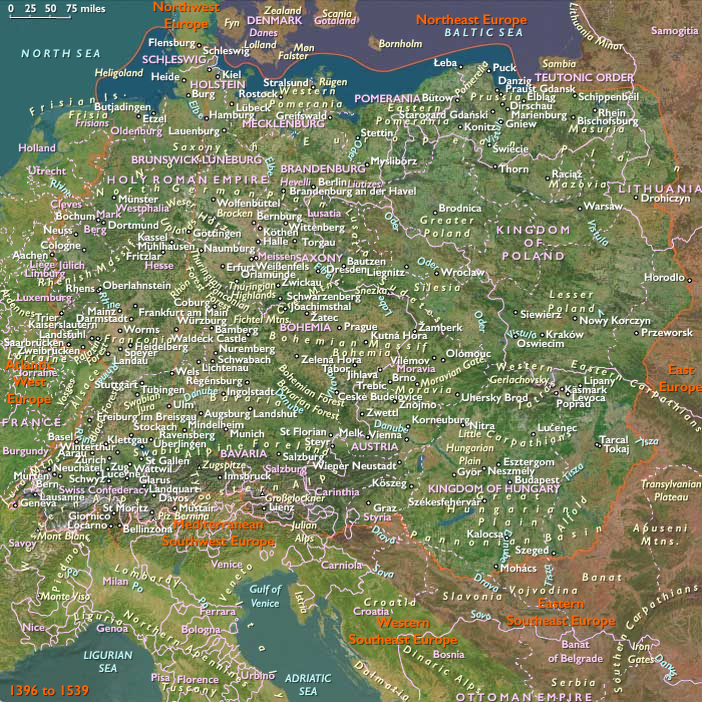
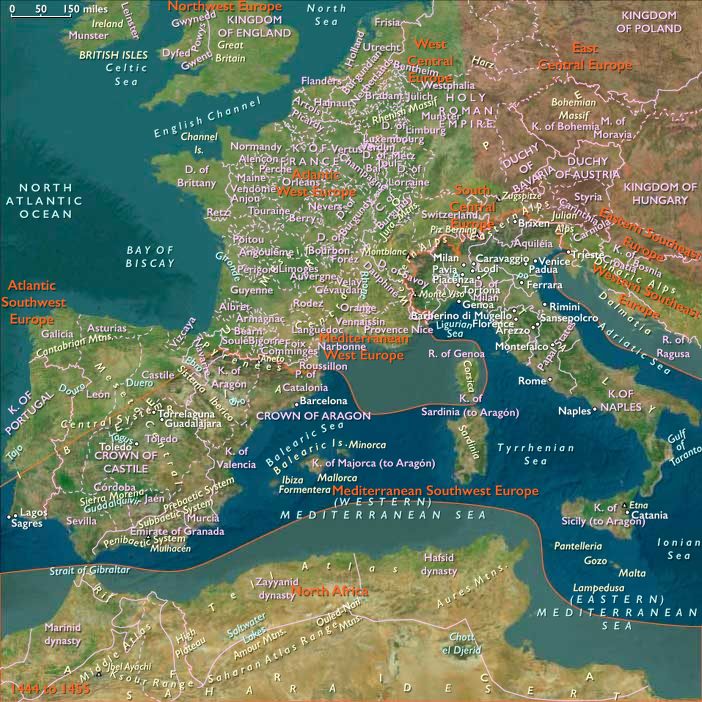
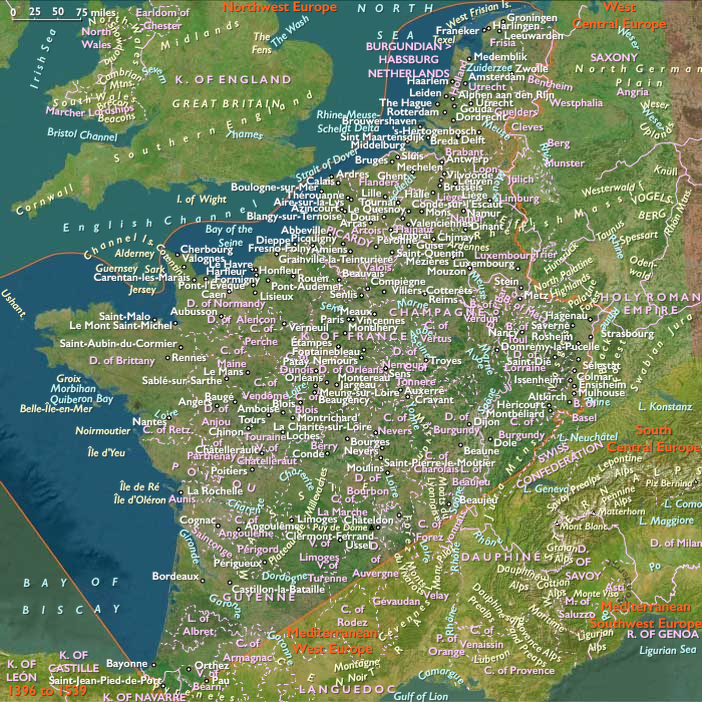
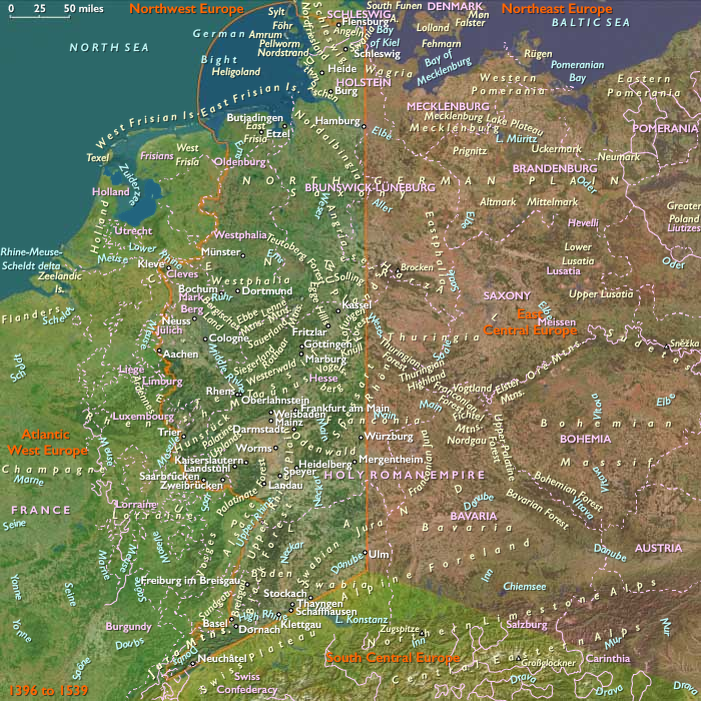
- The technique was first developed in southern Germany and northern Italy, where metalworkers adapted their craft to printmaking.
- The earliest copperplate engravings date from the 1430s–1440s, and by the 1470s, the method was widely used for illustrations and stand-alone artworks.
Why Copper Engraving Replaced Woodcuts
-
Greater Detail and Precision
- Woodcuts required artists to carve designs into wood, which was less precise and prone to deterioration.
- Copper engraving allowed for finer lines, shading, and greater depth, making it more suitable for complex compositions.
-
Durability and Longevity
- Copper plates lasted much longer than woodblocks, which wore out quickly.
- This allowed for larger print runs with consistent quality.
-
Flexibility and Artistic Freedom
- Artists could create more intricate and delicate designs, giving engravings a smoother, more refined appearance.
- The technique allowed for more realistic human figures, landscapes, and textures, appealing to Renaissance tastes.
Key Figures in Early Engraving
- Master E.S. (Germany, c. 1440–1468) – One of the earliest known engravers, active in the Upper Rhine region.
- Martin Schongauer (c. 1448–1491) – A German artist whose detailed engravings influenced Albrecht Dürer and other Renaissance painters.
- Antonio Pollaiuolo (Italy, c. 1431–1498) – A Florentine engraver who used the technique to depict dynamically posed human figures, anticipating Michelangelo’s studies.
Impact of Copper Engraving on Art and Printing
- Expanded Artistic Reproduction – Allowed detailed reproductions of paintings and drawings, making art more accessible.
- Influenced Renaissance Artists – Engraving spread ideas and artistic styles across Europe, influencing painters and sculptors.
- Improved Book Illustration – The technique was used in early printed books, enhancing the quality of illustrations in Renaissance texts.
- Laid the Foundation for Later Printmaking – Engraving remained dominant until the 16th century, when etching and lithography further evolved.
The rise of copper engraving in the 15th century was a pivotal moment in European print culture, transforming both artistic production and book illustration, and ushering in a new era of visual communication.